The Butter-and-eggs Plant Advantage: Maximizing Home and Office Appeal and Wellness
1
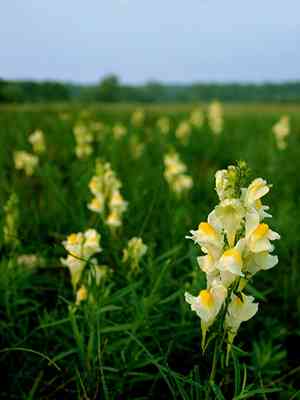
Linaria vulgaris, or butter-and-eggs, is recognized for its bright yellow blossoms that illuminate any outdoor space.
2
This species draws in helpful insects, fostering a thriving ecological balance.
3
Its inherent pest resilience contributes to its ease of care.
Why Butter-and-eggs is a Great Garden Addition
Visual Appeal
The vibrant yellow blossoms of Butter-and-eggs introduce a burst of color to any garden, fostering a lively and cheerful ambiance. Its tall, slender stalks and abundant flowers create a focal point that can enhance garden aesthetics and complement other plant varieties. Furthermore, Butter-and-eggs flowers from mid-summer to early autumn, ensuring your garden stays vibrant for an extended duration.
Effortless Upkeep
Butter-and-eggs is a robust plant that demands minimal care once established. It flourishes in diverse soil types and can withstand both dry spells and cold temperatures, making it an excellent option for gardeners of all skill levels. Its inherent resistance to common garden pests lessens the need for chemical interventions, promoting an environmentally friendly gardening approach.
How Butter-and-eggs Benefits the Ecosystem
Attracts Beneficial Insects
A key characteristic of Butter-and-eggs is its capacity to draw in pollinators like bees, butterflies, and other helpful insects. These interactions are vital for maintaining the health and productivity of your garden, as pollinators play a crucial role in the reproduction of many plant species.
Enhances Soil Health
Butter-and-eggs contributes to soil improvement by preventing erosion with its strong root system. The plant's roots help stabilize the soil, reducing runoff and retaining essential nutrients. This feature makes Butter-and-eggs particularly valuable in preventing soil degradation in gardens and natural landscapes.
Cultivating Butter-and-eggs for Optimal Results
Ideal Growing Conditions
Butter-and-eggs thrives in full sunlight but can also tolerate partial shade. For best growth, plant it in well-drained soil and ensure sufficient watering until it is well-established. Once settled, Butter-and-eggs is remarkably drought-resistant, making it a low-maintenance choice for busy gardeners.
Propagation Methods
Propagating Butter-and-eggs is relatively simple, typically achieved through seeds or root division. To propagate by seed, sow the seeds directly into the garden in the fall or early spring. For root division, carefully separate the root clumps in early spring or late fall and replant them in desired locations. Both methods are effective and can quickly result in a thriving population of Butter-and-eggs in your garden.
Other Uses for Butter-and-eggs
Companion Planting
Butter-and-eggs is an excellent companion plant due to its ability to naturally deter certain pests. When planted alongside vegetables and other vulnerable crops, it can help reduce pest pressure and improve overall plant health. Its dense foliage also provides ground cover, reducing weed growth and conserving soil moisture.
Educational and Recreational Value
Beyond its practical advantages, Butter-and-eggs offers educational value for gardeners and nature enthusiasts. Observing its pollinator interactions and growth habits can provide insights into ecological relationships and plant biology. Additionally, its eye-catching flowers make it a delightful addition to floral arrangements and garden tours, enhancing the recreational experience of any outdoor space.



