Optimal Fertilizer for Growing Pygmy date palm: What You Need to Know
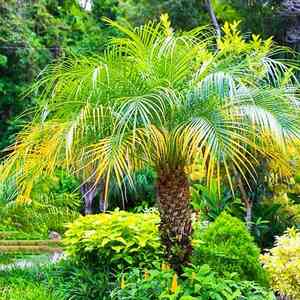
1
Pygmy date palms thrive with a well-balanced feeding, like a 10-10-10 NPK blend, for robust development.
2
Apply fertilizer to your Pygmy date palm in the springtime to initiate its active growth phase.
3
Over-fertilization may cause foliage scorching and root harm, thus consistently adhere to the suggested quantity.
Deciphering the Fertilization Requirements of Pygmy Date Palms
Why Does the Pygmy date palm Require Nutritional Support?
The Pygmy date palm enhances any landscape or indoor setting, yet, like all flora, it needs specific nourishment to flourish. Fertilizers supply vital elements such as nitrogen (N), phosphorus (P), and potassium (K) that may be scarce in the soil. These nutrients facilitate various botanical functions like frond development, root strength, and general vigor. Consistent feeding ensures your Pygmy date palm stays lush and robust, producing vivid green leaves that beautify any space.
Detecting Nutritional Deficiencies in Pygmy date palm
Spotting nutrient insufficiencies in your Pygmy date palm promptly is critical for timely remedies. Common indicators of nutrient shortage include yellowing foliage (chlorosis), stunted development, and poor leaf formation. For instance, a lack of nitrogen frequently causes older leaves to yellow, while insufficient potassium might lead to browning along the frond edges. Learning these signs allows you to adjust your feeding regimen to meet the plant's specific needs.
Selecting the Appropriate Fertilizer for Pygmy Date Palm
Organic vs. Synthetic Fertilizers: Advantages and Disadvantages
When choosing a fertilizer for your Pygmy date palm, you can opt for either natural or chemical solutions. Organic fertilizers, such as compost or manure, are derived from natural materials and can improve soil structure and water retention. However, their nutrient release is often slower and they can be less convenient to apply. Synthetic fertilizers are chemically engineered and deliver nutrients rapidly and efficiently. They are simple to use but can sometimes cause a buildup of salts in the soil. Your choice depends on your specific requirements and gardening philosophy.
Crucial Nutrients Needed by Pygmy date palm
The main nutrients essential for the Pygmy date palm include nitrogen (N), phosphorus (P), and potassium (K). Nitrogen is vital for lush foliage and overall plant strength. Phosphorus supports root growth and blooming, while potassium assists with water absorption and disease resistance. Beyond these macronutrients, micronutrients like magnesium, iron, and manganese are also crucial for preventing deficiencies and ensuring balanced development. A balanced NPK fertilizer, often with a 10-10-10 ratio, is typically advised to fulfill these requirements.
When and How to Nourish Your Pygmy Date Palm
Optimal Times of Year for Fertilizing Pygmy date palm
For prime growth, the ideal time to fertilize your Pygmy date palm is during spring. This timing coincides with the plant's natural growth period, enabling it to fully utilize the supplied nutrients. Spring fertilization prepares the palm for strong development and the warmer months when it can flourish. A lighter application can also be given in mid-summer if the palm appears to need an extra boost, but refrain from fertilizing in fall and winter when the plant is dormant.
A Detailed Guide to Fertilizing Pygmy date palm
Nourishing your Pygmy date palm is a simple task if you follow these steps:Select the Correct Fertilizer: Opt for a balanced 10-10-10 NPK fertilizer or a suitable organic alternative for palms.Review the Instructions: Carefully read the fertilizer label for precise application rates and safety warnings.Measure the Quantity: According to the label, measure the appropriate amount of fertilizer for your palm's size.Apply Around the Base: Distribute the fertilizer evenly around the palm's base, keeping it away from the trunk.Water Thoroughly: After applying the fertilizer, water the area generously to help dissolve and activate the nutrients.Observe and Reapply: Monitor your palm for signs of nutrient deficiency or over-fertilization, and repeat the feeding process as needed, typically every 3-4 months during the active growing season.
The Dangers of Over-Fertilizing the Pygmy Date Palm
Indicators of Excessive Fertilization in Pygmy date palm
Supplying too much fertilizer to your Pygmy date palm can be detrimental. Symptoms of over-fertilization include leaf scorch (brown tips and edges), reduced growth, and a buildup of salts on the soil surface. The plant may also display signs of stress, such as wilting or a general decline in health. These issues arise because excessive nutrients can disrupt the soil's chemical balance and harm the root system.
How to Rectify Over-Fertilization Problems
If you suspect your Pygmy date palm has received too much fertilizer, the initial step is to cease all applications immediately. Next, thoroughly flush the soil with ample water to wash out the surplus salts and nutrients; this is best done gradually over several waterings rather than all at once. Ensure the plant has good drainage to prevent waterlogging. Additionally, removing the top layer of soil and replacing it with fresh soil can help alleviate the effects. Monitor the palm's recovery and avoid fertilizing again until it shows signs of improved health.



