Enhancing Your Garden Design with the Peacock plant Plant: A Landscaping Guide
1
Peacock plant flourishes optimally in locations receiving filtered light and having soil that drains effectively.
2
Combining Peacock plant with leaves of differing colors can produce a striking aesthetic in your outdoor space.
3
Year-round maintenance is crucial for maintaining the Peacock plant's lively appearance.
Appreciating the Visual Charm of the Peacock Plant
Peacock Plant's Visual Traits in Garden Design
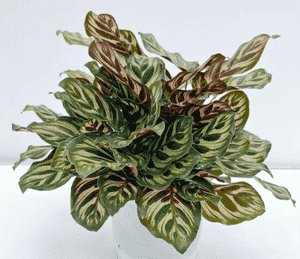
The Peacock Plant's visual appeal is unparalleled, making it an outstanding selection for any garden. With its striking foliage, featuring an intricate design reminiscent of a peacock's feathers, it can introduce an exotic elegance to your landscape. The vivid greens, combined with contrasting darker tones, create a captivating effect that draws the eye and adds depth to your garden layout. Its tall, upright form also offers an excellent vertical element, breaking up horizontal lines and diversifying your garden's structure.
Seasonal Impact on Peacock Plant's Appearance
A fascinating aspect of the Peacock Plant is how its look changes with the seasons. During spring and summer, it typically displays its most vibrant colors, with leaves showing a rich, glossy green hue interspersed with bold patterns. In autumn, the colors may deepen or shift to warmer shades, providing a dynamic display that keeps your garden visually engaging year-round. However, in winter, the Peacock Plant might need extra indoor care to maintain its stunning appearance, as it is sensitive to cold conditions.
Harmonious Plant Pairings with Peacock Plant
For a visually balanced garden, consider pairing the Peacock Plant with others that complement its unique foliage. Contrasting it with plants having simpler, monochromatic leaves can make its intricate patterns stand out even more. Plants with broad leaves or different textures can also balance its fine details, creating a well-rounded visual display. Additionally, flowers with subtle colors can offer a gentle contrast without overpowering the Peacock Plant's signature look. Combining it with plants of varying heights and growth habits can further enhance the structural diversity in your garden.
Optimal Placement for Peacock Plant in Your Garden
Choosing the Best Location for Peacock Plant Based on Light
The Peacock Plant thrives in environments with indirect sunlight. Excessive direct sun can harm its leaves, causing them to burn or lose their vibrant color. An ideal spot would be in the dappled shade of a larger tree or beneath a pergola that provides filtered light. If growing indoors, placing it near an east-facing window, where it receives morning sun but is protected from harsher afternoon rays, is a good strategy. Always observe your plant and adjust its location if you notice any signs of light stress.
Understanding Soil Preferences for Healthy Growth
Soil quality significantly affects the Peacock Plant's health and beauty. This plant prefers well-drained, fertile soil that retains moisture without becoming waterlogged. A soil mix rich in organic matter is ideal, as it supplies necessary nutrients while ensuring good aeration. To improve drainage, you can incorporate perlite or sand. Regularly check the soil's moisture level; it should feel damp but not soggy. Ensuring optimal soil conditions will help the Peacock Plant maintain its vibrant appearance and robust growth.
Spacing and Grouping Advice for Visual Impact
When planning the Peacock Plant's placement in your garden, ensure it has ample room to grow without being crowded. Ideally, each plant should have about 12 to 18 inches of space around it. This spacing promotes adequate air circulation, crucial for preventing diseases and fostering healthy growth. Grouping the Peacock Plant with others that have similar water and light requirements can simplify care and enhance overall aesthetic appeal. For a dramatic effect, try planting them in clusters or along the edges of garden beds.
Integrating Peacock Plant into Diverse Landscape Styles
Peacock Plant's Role in Formal Garden Designs
The Peacock Plant's structured form and striking foliage make it an excellent choice for formal garden designs. Its distinctive leaves can serve as a natural focal point, guiding the eye through meticulously planned paths and hedges. When arranged symmetrically, the Peacock Plant can enhance the garden's balance and order. Pairing it with neatly trimmed shrubs or alongside geometric garden elements can amplify its formal appeal, contributing to a sophisticated and elegant outdoor space.
Incorporating Peacock Plant in Modern Landscapes
In contemporary landscapes, the Peacock Plant can introduce texture and pattern, helping to soften modern, minimalist lines. Its vibrant foliage contrasts beautifully with sleek, hardscape elements like concrete, steel, and glass, often found in modern garden designs. Planting the Peacock Plant in modern planters or along clean, sharp garden borders can add a natural, organic element that brings warmth and life to an otherwise cool and austere modern space. It acts as a bridge between natural and man-made elements, creating an integrated, cohesive look.
Using Peacock Plant in Thematic Gardens (Tropical, Desert, Etc.)
The Peacock Plant is incredibly versatile and can be a wonderful addition to themed gardens. In a tropical-themed garden, it pairs well with other lush, exotic plants like ferns and palm trees, enhancing the jungle-like ambiance. Although not naturally suited to desert conditions, the Peacock Plant can still be incorporated into a desert theme by planting it in shaded, well-watered areas, simulating a tropical oasis. Its bold patterns and vibrant greens can mimic the richness of a rainforest, adding depth and interest to your themed landscape.
Seasonal Care Guidelines for Peacock Plant
Meeting Peacock Plant's Needs During Spring and Summer
In spring and summer, the Peacock Plant enters its active growth phase, requiring more frequent watering and feeding. Ensure the soil remains consistently moist but not waterlogged. Applying a balanced, water-soluble fertilizer every two to four weeks can provide the necessary nutrients for vibrant growth. Regularly check for pests and diseases, as warmer weather can attract various unwanted guests. Pruning any damaged or yellowing leaves will also help maintain the plant's overall health and appearance during these active months.
Preparing Peacock Plant for Autumn and Winter
As temperatures begin to fall in autumn and winter, the Peacock Plant needs extra care to transition comfortably into dormancy. Reduce watering frequency but prevent the soil from completely drying out. It's also advisable to stop fertilizing during this period to avoid undue stress on the plant. If you live in a region with cold winters, consider moving the Peacock Plant indoors to protect it from frost and chilly winds. Place it in a well-lit area away from drafts and heaters, and maintain humidity around the plant by using a humidifier or placing it on a tray filled with water and pebbles.



