Enhancing Your Garden Design with the Butter-and-eggs Plant: A Landscaping Guide
1
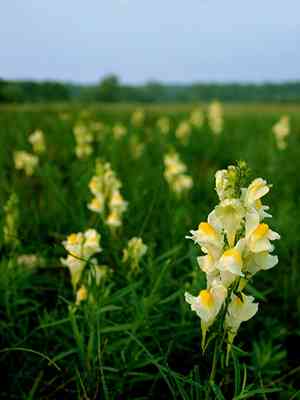
Linaria vulgaris flourishes in bright sunlight and permeable ground.
2
Its vibrant yellow and orange blossoms can introduce a lively hue to any outdoor space.
3
Linaria vulgaris requires minimal upkeep, making it ideal for both new and seasoned gardeners.
Introducing Butter-and-eggs for Garden Design
Aesthetic appeal of Butter-and-eggs
If you're aiming to infuse your garden with vivid color, Butter-and-eggs could be your ideal plant. Known for its cheerful yellow and orange blossoms, Butter-and-eggs brightens any landscape. Its distinctive flower shape, reminiscent of snapdragon heads, adds visual intrigue, making it a garden focal point. Beyond its beauty, Butter-and-eggs is prized for its hardiness and ability to flourish in diverse garden conditions, enhancing its charm and adaptability.
Advantages of integrating Butter-and-eggs into garden settings
Incorporating Butter-and-eggs into your garden offers numerous benefits. Firstly, its bright blooms attract helpful pollinators like bees and butterflies, enriching your garden's ecosystem. Additionally, Butter-and-eggs's robust nature makes it a low-maintenance option, perfect for gardeners desiring a lush, colorful garden without constant upkeep. Furthermore, its capacity to grow in poor soils and resist common pests and diseases ensures your garden remains vibrant and healthy with minimal effort.
Design Concepts Featuring Butter-and-eggs
Creating color contrasts with Butter-and-eggs
One straightforward method to highlight Butter-and-eggs in your garden is by employing it to establish striking color contrasts. Pairing its bright yellow and orange flowers with complementary shades like deep purples or blues can make your garden visually captivating. Consider planting Butter-and-eggs alongside lavender or salvia to craft an eye-catching display that will attract attention and admiration from any visitor.
Using Butter-and-eggs for borders and edges
Given their height and bushy growth, Butter-and-eggs are an excellent choice for borders and edges. Planting them along the perimeters of garden beds or pathways creates a natural and appealing boundary that defines areas in your garden. Their dense foliage helps suppress weeds, making them both a practical and aesthetic option. When used in borders, Butter-and-eggs provides a continuous burst of color throughout the growing season.
Pairing Butter-and-eggs with complementary plants
To achieve a harmonious and balanced garden design, consider combining Butter-and-eggs with plants that complement its growth habit and color scheme. Plants such as coreopsis, echinacea, and ornamental grasses pair well with Butter-and-eggs. These combinations can create layers of color and texture, enhancing the overall visual appeal. Moreover, pairing Butter-and-eggs with plants that share similar growing conditions ensures all your plants thrive together.
Seasonal Considerations for Butter-and-eggs
Optimal planting times for Butter-and-eggs
The best period for planting Butter-and-eggs is during early spring or autumn. Planting in these cooler months helps the plants establish their root systems before the extremes of summer heat or winter cold. If you opt for spring planting, ensure the soil is sufficiently warm to support growth. Similarly, for fall planting, allow ample time for the plants to settle before the first frost.
Managing Butter-and-eggs throughout the year
Butter-and-eggs is quite adaptable and can be effectively managed year-round with minimal effort. During the active growth period, ensure it receives adequate water, though it is quite drought-tolerant once established. In the fall, trim back any dead foliage to prepare the plant for winter. For winter protection in colder climates, a layer of mulch can be beneficial. Seasonal monitoring for any signs of disease or pests ensures that Butter-and-eggs remains healthy and vibrant throughout the year.
Maintenance Advice for Butter-and-eggs in Landscaping
Basic care requirements
Butter-and-eggs demands minimal maintenance, making it an excellent choice for gardeners of all experience levels. Regular watering during dry periods, occasional fertilization, and deadheading spent flowers will keep the plants looking their best. Mulching around the base helps retain moisture and prevents weeds. Pruning the plant after its flowering season encourages healthy growth and prevents it from becoming too leggy.
Common problems and simple solutions
While Butter-and-eggs is relatively resistant to disease and pests, it can occasionally encounter issues like powdery mildew or aphid infestations. Both can be addressed with straightforward solutions. For powdery mildew, ensure good air circulation and water the plants at the base rather than from above. Aphids can be controlled by introducing beneficial insects like ladybugs or using insecticidal soap. Regularly inspecting your plants and acting promptly at the first sign of trouble keeps them healthy and thriving.



