Enhancing Your Garden Design with the Prayer plant Plant: A Landscaping Guide
1
The Prayer plant brings vivid hues and distinct textural elements to any setting.
2
Strategic positioning and companionship for Prayer plants can greatly enrich your garden's ecological variety.
3
Diligent tending guarantees the Prayer plant flourishes and retains its aesthetic charm year-round.
Understanding the Role of Prayer plant in Landscaping
Why choose Prayer plant for your garden?
Selecting Prayer plant for your garden offers both visual appeal and horticultural advantages. This distinctive plant is well-known for its striking foliage, showcasing a captivating mix of vivid greens, deep purples, and red accents. Such visual interest can establish focal points or enhance your garden's overall texture. Furthermore, Prayer plant's relatively compact size makes it suitable for various garden designs, from expansive landscapes to intimate urban spaces. Another key benefit is its ability to flourish in shaded environments, making it a flexible option for areas with limited sun exposure.
Visual appeal and unique characteristics of Prayer plant
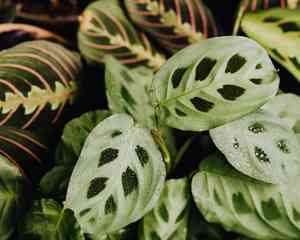
Prayer plant stands out in any landscape due to its broad, oval leaves adorned with bold patterns of lighter veins or spots. This distinctive appearance not only attracts attention but also provides a beautiful contrast with other plants, boosting the overall visual dynamics of your garden. Beyond its aesthetic charm, Prayer plant exhibits an intriguing behavior called nyctinasty; its leaves fold upward at night, resembling a prayer gesture, which can be an endearing quality for garden enthusiasts. This movement adds a dynamic, almost interactive element to your garden experience.
How Prayer plant enhances biodiversity in your landscape
Incorporating Prayer plant into your landscape design significantly boosts biodiversity. This plant acts as a habitat and food source for various insects and small creatures, fostering a mini-ecosystem within your garden. Its presence can attract beneficial pollinators like bees and butterflies, which are vital for the health of many garden plants. Additionally, by diversifying the plant types in your garden, you can create a more resilient environment better equipped to resist pests and diseases.
Best Practices for Integrating Prayer plant into Your Landscape Design
Considering location: Where to plant Prayer plant?
Finding the optimal location for Prayer plant in your garden is essential for its flourishing. This plant favors areas with indirect, filtered light but can tolerate low light conditions better than many other species. It's best to place Prayer plant in spots that receive dappled sunlight or light filtered through trees or taller plants. Avoid direct, intense sun, which can scorch its delicate leaves. Also, consider the soil type; Prayer plant thrives in well-draining, slightly acidic soil enriched with organic matter. Proper placement will ensure your Prayer plant remains robust and vibrant.
Pairing Prayer plant with other plants – What works best?
Creating a harmonious garden often involves careful plant pairing. Prayer plant can be beautifully complemented by fern species, hostas, or caladiums that share similar light and moisture needs. These plants also contribute to the lush, tropical feel that Prayer plant naturally provides. Additionally, contrasting its broad, patterned leaves with finer-textured plants or those with variegated foliage can enhance visual interest. The key is to pair Prayer plant with species that won't overshadow it but will contribute to a cohesive and balanced landscape design.
Leveraging the aesthetic of Prayer plant in various design styles
Prayer plant's distinctive aesthetic is well-suited to various garden design styles. In a tropical-themed garden, Prayer plant can be a central feature, surrounded by other tropical flora to create a lush, vibrant setting. For modern or minimalist gardens, the Prayer plant's unique leaf patterns can serve as striking accents amidst clean lines and simpler plant selections. In cottage gardens, Prayer plant can provide a touch of order and contrast within the typical profusion of colors and forms. The adaptability of Prayer plant makes it a valuable asset in achieving different artistic garden expressions.
Maintenance Tips for Healthy Prayer plant in Your Garden
Watering and soil requirements for optimal growth
Appropriate watering is crucial for maintaining a healthy Prayer plant. This plant prefers consistently moist soil but is susceptible to waterlogging, which can lead to root rot. Ensure the soil stays damp but not saturated, and use a pot with adequate drainage if growing it in a container. Water Prayer plant when the top inch of soil feels dry to the touch. During its active growth period, it's also beneficial to apply a balanced, water-soluble fertilizer monthly to supply the necessary nutrients for vigorous development.
Common challenges and how to overcome them
Like all plants, Prayer plant can encounter certain difficulties. Overwatering is a frequent issue that can be resolved by ensuring proper drainage and utilizing well-aerated soil. Pests such as spider mites or mealybugs may occasionally infest Prayer plant, but these can be managed with regular inspection and suitable treatments like insecticidal soap or neem oil. Another challenge can be leaf discoloration, which often indicates a need for more or less light or a change in watering habits. Observing your plants closely and responding promptly to these signs will help keep your Prayer plant flourishing.
Seasonal care and maintenance routines
Prayer plant requires different care routines depending on the season. During spring and summer, focus on providing sufficient water and nutrients as the plant actively grows. In autumn and winter, Prayer plant enters a dormant phase and needs less water – allow the soil to dry out more between waterings. Pruning yellow or damaged leaves can help maintain its appearance and health. Regularly wiping the leaves with a damp cloth to remove dust will enable the plant to photosynthesize efficiently and look its best year-round.
Creative Ways to Showcase Prayer plant in Outdoor Spaces
Innovative planting ideas and display techniques
Being creative with Prayer plant can make your garden wonderfully unique. Consider using hanging baskets to display the plant at eye level or above, allowing its leaves to cascade attractively. Prayer plant can also be planted in tiered garden beds where its vibrant foliage can be admired from various angles. Utilizing decorative pots or arranging it among colorful stones can add an artistic touch. The aim is to highlight its beauty while ensuring it thrives in ideal conditions.
Using Prayer plant as ground covers or focal points
Prayer plant can serve as an excellent ground cover in shaded garden areas, forming a dense, green carpet that complements taller plants. Its unique leaf patterns can break the monotony of plain green ground covers, adding visual interest. Alternatively, use Prayer plant as a focal point by planting it in prominent positions or pots that draw attention. Combining it with spotlights during evening hours can emphasize its beauty and create a magical nighttime garden effect.
Integrating Prayer plant in small spaces and urban gardens
For those with limited gardening space, Prayer plant is an ideal selection due to its compact growth habit and adaptability to container gardening. It can flourish on balconies, patios, or even indoors near windows with filtered light. Small urban gardens can greatly benefit from Prayer plant's tropical aesthetic, providing lush greenery that contrasts with urban surroundings. Vertical gardens or plant walls are also inventive ways to incorporate Prayer plant, adding green spaces without occupying much horizontal area.



