How to Overwinter Peacock plant
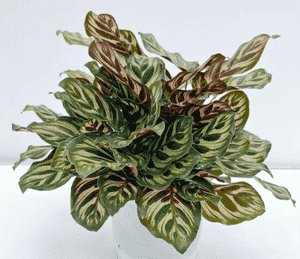
1
The Peacock plant flourishes in humid conditions, so it's vital to sustain adequate moisture levels throughout winter.
2
Optimal indoor temperatures for a healthy Peacock plant in winter range from 16-24°C (60-75°F).
3
Bright, indirect illumination is essential for the Peacock plant's well-being during colder periods.
What is Overwintering?
What is Overwintering?
Overwintering describes the act of safeguarding your plants from winter's harsh conditions. For delicate plants like the Peacock plant, this means bringing them indoors and creating an environment that mimics their natural habitat. This helps maintain the plant's vitality and ensures its survival until the more favorable spring and summer months. Let's explore the specifics of how to effectively overwinter your Peacock plant.
How Do I Prepare My Peacock plant for Winter?
Assessing Plant Health
Before relocating your Peacock plant indoors, it's crucial to check its overall health. Look for indications of disease, pests, or nutrient deficiencies. This might include yellowing foliage, spots, or any visible insects. Addressing these issues before winter begins is vital to prevent them from worsening indoors.
Repotting If Necessary
If your plant is root-bound or the soil mixture appears depleted, repotting the Peacock plant before winter can be advantageous. Select a pot that allows for proper drainage and use a well-aerated, rich potting mix. This provides the roots with fresh nutrients and more room to expand.
Cleaning the Leaves
Dust and debris can obstruct light and are detrimental to your plant's well-being. Gently wipe the leaves with a damp cloth to remove any accumulation. This also aids the plant in photosynthesizing more efficiently once it's inside.
Where Should I Place My Peacock plant in Winter?
Optimal Indoor Location
Position your Peacock plant in a spot with bright, indirect illumination. Avoid direct sunlight, as it can scorch the foliage. East or north-facing windows typically work well.
Humidity and Temperature Requirements
Maintain a room temperature between 16-24°C (60-75°F) for ideal growth. Peacock plants thrive in high humidity, so consider using a humidifier or placing the pot on a tray filled with water and pebbles. Misting the leaves occasionally can also help, but be careful not to over-wet the leaves to prevent fungal problems.
How Often Should I Water My Peacock plant During Winter?
Adjusting Watering Frequency
In winter, the Peacock plant requires less water due to reduced growth. Modify your watering schedule to prevent the soil from being consistently saturated. Aim to water the soil when the top 2-3 cm (1 inch) feels dry to the touch.
Proper Watering Techniques
Water thoroughly until it drains from the bottom of the pot, ensuring that the plant roots receive ample moisture. However, empty the saucer beneath the pot to avoid waterlogging, which can lead to root rot.
Do I Need to Fertilize My Peacock plant in Winter?
When and How to Fertilize
Fertilizing is typically reduced during winter since the plant's growth slows. If necessary, use a balanced, water-soluble fertilizer diluted to half-strength once a month.
Choosing the Right Fertilizer
Opt for a fertilizer with equal parts Nitrogen, Phosphorous, and Potassium (e.g., 10-10-10). This ensures the plant receives balanced nutrition without overfeeding.
Common Issues When Overwintering Peacock plants
Identifying and Managing Pests
Indoor environments can still attract pests like spider mites and aphids. Regularly inspect your plant and, if pests are found, treat them with insecticidal soap or neem oil.
Dealing with Leaf Drop
Some leaf shedding is normal when moving plants indoors due to stress. To minimize this, gradually acclimate the plant by bringing it in for a few hours each day before permanent relocation.
Ensuring Adequate Light
The Peacock plant needs a consistent light source. If natural light is insufficient, consider using a grow light to maintain the necessary light levels for healthy growth.



