How to Overwinter Oyster plant
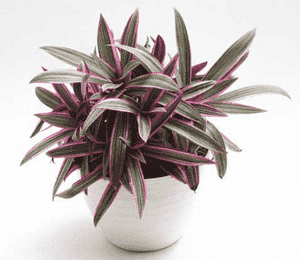
1
Oyster plants flourish in temperatures ranging from 15-25°C (59-77°F). Shield them from chilly air currents in winter.
2
Lessen the frequency of watering your Oyster plant in colder months to prevent root decay.
3
Ample, diffused light is crucial for maintaining your Oyster plant's indoor well-being.
Understanding the Need for Overwintering
Understanding the Need for Overwintering
Overwintering is a vital practice for ensuring the survival of delicate plants like the Oyster plant during colder periods. Hailing from tropical regions, the Oyster plant lacks frost hardiness, meaning it cannot endure freezing temperatures. By relocating the plant indoors or providing necessary protection, you can prevent frost damage and ensure it remains healthy and thriving by spring. Plants not properly overwintered often suffer from cold stress, leading to stunted growth or even death. Therefore, comprehending and implementing correct overwintering techniques is crucial for any plant enthusiast.
Preparing Your Oyster plant for Winter Storage
Checking for Pests and Diseases
Before bringing your Oyster plant inside, it's essential to thoroughly inspect it for any pests or diseases. Common pests such as spider mites and aphids can rapidly multiply indoors, where natural predators are absent. Look for indicators like webbing, sticky residue, or discolored foliage. If any issues are detected, treat the plant with an appropriate insecticidal soap or a homemade solution of water and mild dish soap before moving it indoors.
Trimming and Pruning
Pruning your Oyster plant before overwintering helps reduce its size, making it easier to manage indoors, and prevents the plant from expending energy on unhealthy or unnecessary growth. Cut back any leggy or overgrown stems and remove any dead or yellowing leaves. This not only enhances the plant's overall appearance but also encourages healthier growth in the upcoming season.
Modifying Watering Schedule
When your Oyster plant is moved indoors, its growth rate will decrease due to reduced light and cooler indoor temperatures. Consequently, its water requirements will also lessen. Excessive watering can lead to root rot, which is particularly harmful during winter. Water the plant only when the top 2.5-5 cm (1-2 inches) of soil feels dry to the touch. Ensure the pot has adequate drainage to prevent water from accumulating at the bottom.
Optimal Indoor Locations for Your Oyster plant
Selecting the Appropriate Room
Choose a room that maintains a consistent temperature, ideally between 15-25°C (59-77°F). Avoid areas with cold drafts, such as entryways and windows, as well as hot spots near heaters or radiators. A stable environment will help your Oyster plant acclimate better and reduce stress.
Ensuring Sufficient Light
Although the Oyster plant can tolerate low light, it thrives best in bright, indirect sunlight. Position it near a north or east-facing window, or provide artificial grow lights if natural light is insufficient. Avoid direct sunlight, as it can scorch the leaves.
Maintaining Ideal Humidity and Temperature
The Oyster plant prefers a humid environment. Indoor heating during winter can dry out the air, so consider using a humidifier or placing a water tray with pebbles beneath the plant pot to increase humidity. Regular misting can also help keep the plantâs foliage moist. Ensure temperatures remain between 15-25°C (59-77°F).
Monitoring Your Oyster plant During Winter
Checking Soil Moisture Levels
Regularly check the soil moisture to ensure your Oyster plant is not being over or under-watered. Insert your finger 2.5-5 cm (1-2 inches) into the soil to assess moisture levels. Adjust watering frequency based on the dryness you feel; typically, watering once every two weeks is sufficient for indoor plants during winter.
Observing for Signs of Stress
Monitor your plant for indicators of stress, such as drooping, yellowing leaves, or leaf drop. These signs can point to various issues, including improper watering, insufficient light, or pest problems. Prompt action can prevent minor issues from escalating into severe health problems.
Providing Extra Care if Necessary
If your Oyster plant exhibits signs of nutrient deficiencyâsuch as pale or yellow leavesâconsider feeding it with a balanced, water-soluble fertilizer once a month. Always follow the manufacturerâs instructions to avoid over-fertilizing, which can harm the plant. Additionally, ensure the plant is free from dust by gently wiping the leaves with a damp cloth. This aids in photosynthesis and keeps the plant looking vibrant.
When and How to Move Your Oyster plant Back Outdoors
Determining the Right Time
The optimal time to transition your Oyster plant back outdoors is after the last frost date in your area. Pay close attention to weather forecasts and avoid moving them outside too early, as late frost can still occur. A good guideline is to wait until nighttime temperatures consistently stay above 10°C (50°F).
Gradual Exposure to Outdoor Conditions
Before permanently moving your Oyster plant outdoors, gradually acclimate it to the new environment. Start by placing the plant in a shaded, sheltered outdoor area for a few hours each day, progressively increasing its exposure to sunlight and outdoor conditions over one to two weeks. This process, known as hardening off, helps the plant adjust without shock.
Final Placement and Care
Once fully acclimated, find a suitable spot for your Oyster plant. The plant prefers partial shade to full shade, where it can enjoy indirect sunlight. Continue to water and fertilize the plant regularly, adjusting care routines based on the growing season. Monitor for pests and diseases, particularly during the transition period.



