How to Propagate Hop sedge?
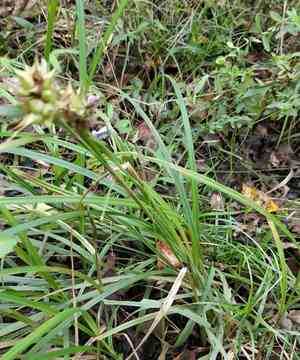
Hop sedge flourishes when multiplied by separation, an effective technique that preserves its well-being and strength. In this procedure, gently divide the root ball, making sure every piece possesses sufficient roots and new growth. This strategy assists hop sedge in rapidly settling into comparable marshy environments, fostering ideal development and expansion.
Optimal Time for Hop Sedge Propagation
Propagation Method
Division
Propagation Period
Spring,Autumn
Tools for Hop Sedge Propagation
Spade or a sharp garden knife
These implements are vital for cutting through the soil and rhizomes of hop sedge, which multiplies effectively via division. A spade or sharp garden knife enables precise cuts with minimal harm to the plantâs root system, crucial for encouraging rapid recovery and subsequent healthy development post-division. Sharpness ensures clean cuts, helping prevent infections.
Watering can with a fine rose
Following the division of hop sedge, ensuring new transplants receive ample water is essential for their recovery and establishment. A watering can equipped with a fine rose attachment allows for gentle irrigation that doesn't disturb newly planted divisions or erode the surrounding soil. This tool helps maintain root moisture, a critical factor for the survival of new plants, and aids in root system development.
Garden fork
This implement is perfect for loosening and lifting soil around hop sedge without causing significant root disruption before division. By gently lifting plants, gardeners can minimize root damage, which is vital for successful propagation by division. The garden fork's tines are designed to penetrate and aerate the soil, making the division process less stressful for the plant.
Rooting hormone
While not always required, applying a rooting hormone to the cut sections of hop sedge's rhizomes can boost root development. This specialized product accelerates the establishment of divided sections and can be particularly advantageous if divisions appear less robust or if conditions are suboptimal.
How to Propagate Hop Sedge?
Propagation Type
Easy
Caring for Newly Propagated Hop Sedge
Caring for Newly Propagated Hop Sedge
Post-propagation, maintain a damp environment for hop sedge, as it thrives in moist conditions. Avoid excessive watering, which can lead to root rot. Position the plants in partial shade, mimicking their natural habitat for optimal growth. Periodically inspect for pests and diseases, and lightly fertilize in spring with a balanced, slow-release fertilizer to support vigorous growth.
Common Errors to Avoid When Propagating Hop Sedge
Overwatering
Excessive moisture can cause root rot and fungal infections in hop sedge, hindering growth or killing young plants.
Poor drainage
Using containers or soil that doesn't allow proper water drainage traps moisture around hop sedge's roots, which is detrimental to its health.
Using non-fresh seeds
Old or improperly stored seeds may have reduced viability, leading to poor germination rates for hop sedge.
Ignoring rhizome health
Failing to carefully select healthy rhizomes can hinder successful propagation, as diseased or damaged rhizomes may not establish well.
Advice for Propagating Hop Sedge
Moist environment
Maintaining a consistently moist, but not waterlogged, substrate is crucial for the germination and growth of hop sedge, replicating its natural wetland habitat.
Shade provision
While young, hop sedge benefits from partial shade which protects it from harsh sun, aiding its establishment and growth.
Soil type adherence
Using a rich, organic soil mimics hop sedge's natural environment, promoting healthier development and better water retention without stagnation.
Regular division
Regularly dividing mature plants ensures vigor and prevents overcrowding, allowing each division of hop sedge to grow optimally.



