How to Propagate Small-leaf spiderwort?
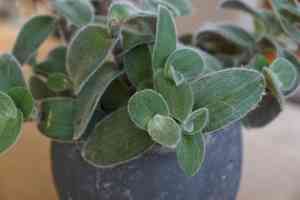
Small-leaf spiderwort can be readily multiplied via soft stem cuttings throughout the spring and summer seasons. The procedure for propagating small-leaf spiderwort is quite straightforward, and with proper nurturing and focus, indications of successful propagation may become apparent within merely a few weeks. The propagation challenge for small-leaf spiderwort is minimal, and essential advice involves employing a sharp, sanitized cutting tool and ensuring the plant receives sufficient hydration.
Optimal Time for Small-leaf Spiderwort Propagation
Propagation Method
Cutting
Propagation Period
Spring, Summer
Tools for Small-leaf Spiderwort Propagation
Clean, sharp scissors or pruners
Sharp, sanitized scissors or pruning shears are crucial for taking small-leaf spiderwort cuttings. They enable a precise cut, minimizing harm to both the parent plant and the cutting. This clean incision helps reduce infection risk and boosts successful rooting.
Rooting hormone powder or gel
Rooting hormone products can accelerate rooting and improve success rates for small-leaf spiderwort cuttings. They contain synthetic auxins that promote root development, especially beneficial for cuttings that might root slowly on their own.
Small pots or propagation trays
Small pots or trays are necessary for planting small-leaf spiderwort cuttings once prepared. These containers must have good drainage to prevent waterlogging, which can cause cuttings to rot before they establish roots.
Sterile potting mix or propagation medium
Using a sterile potting mix or specialized propagation medium ensures small-leaf spiderwort cuttings are free from disease-causing pathogens. A well-draining, light medium is ideal for supporting the initial growth of delicate new roots.
Plastic bags or propagation domes
Plastic bags or clear domes can create a humid environment around small-leaf spiderwort cuttings, mimicking a mini-greenhouse. This increased humidity helps prevent cuttings from drying out before rooting, which is vital for the new plant's survival.
Misting bottle
A misting bottle offers a gentle way to keep the propagation medium's surface and small-leaf spiderwort cuttings moist without overwatering. Consistent moisture is key during rooting, but excessive amounts can lead to fungal growth.
How to Propagate Small-leaf Spiderwort?
Propagation Type
Cutting
Difficulty Level
Easy
Caring for Your Newly Propagated Small-leaf Spiderwort
Caring for Your Newly Propagated Small-leaf Spiderwort?
Place small-leaf spiderwort in a spot with bright, indirect light. Water consistently, letting the soil dry slightly between waterings, but not completely. Small-leaf spiderwort thrive in high humidity, so misting or a humidity tray can be helpful. However, avoid overwatering to prevent root rot. Fertilize monthly during the growing season with a balanced, water-soluble fertilizer to encourage robust growth.
Common Mistakes to Avoid When Propagating Small-leaf Spiderwort
Overwatering
Watering small-leaf spiderwort cuttings too often can lead to root rot, which harms the propagation process. Delicate new roots need oxygen as well as moisture, and saturated soil can suffocate and kill them.
Deep planting
Inserting small-leaf spiderwort cuttings too deeply into the soil may cause stems to rot before they can root. Only a small part of the cutting should be buried to prevent decay.
Poor hygiene
Using uncleaned tools or containers can introduce pathogens to small-leaf spiderwort cuttings, leading to diseases that hinder rooting and growth.
Ignoring light requirements
Small-leaf spiderwort needs bright, indirect light for optimal rooting. Placing cuttings in insufficient light can slow or prevent new root development.
Crowded planting
Planting too many small-leaf spiderwort cuttings close together can reduce airflow and create a humid environment, fostering fungal growth and negatively impacting root development.
Tips For Propagating Small-leaf Spiderwort
Adequate moisture
Maintain a balance by ensuring the soil is consistently moist but not waterlogged to encourage healthy root growth in small-leaf spiderwort.
Appropriate depth
Plant small-leaf spiderwort cuttings shallowly, with only the bottom inch or so inserted into the soil, to avoid stem rot.
Clean tools
Always use sterilized cutting tools and clean containers to prevent the spread of diseases when propagating small-leaf spiderwort.
Indirect light
Provide small-leaf spiderwort with plenty of bright, indirect sunlight to facilitate the rooting process and encourage vigorous growth.
Proper spacing
Space out small-leaf spiderwort cuttings to ensure good air circulation, which reduces the likelihood of fungal diseases and promotes stronger root systems.



