How to Prune Hazel alder?
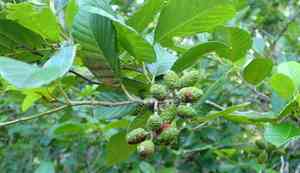
This water-loving, many-stemmed bush flourishes in damp environments. For hazel alder, the recommended approach includes excising deceased or injured limbs and sculpting for thickness management in late winter or early spring. Proper trimming sustains the plant's well-being and fosters advantageous development. Make cuts directly above a bud oriented away from the shrub's center to encourage outward expansion. Reducing older stalks boosts vitality and light access, crucial for the shrub's lower-level ecosystem. Always sanitize implements to avert pathogen dissemination.
Advantages of Trimming Hazel Alder
Advantages of Trimming Hazel Alder
Trimming hazel alder promotes robust development and assists in maintaining its desired form. By selectively cutting back limbs, gardeners can stimulate fresh growth and ensure a healthy, well-structured specimen.
Optimal Time for Trimming Hazel Alder
Optimal Time for Trimming Hazel Alder
Trimming hazel alder in late winter or early spring is ideal, typically before the start of its new growth cycle. This timing allows for the removal of any dead or damaged branches before the plant expends energy on them, which could hinder new development. Additionally, since hazel alder's sap flow is less vigorous during these periods, there's a reduced risk of bleeding, which can harm the plant's health. Pruning in late winter or early spring also enables effective shaping without the obstruction of full foliage, providing a clearer visual assessment of the plant's structure. It's advisable to avoid trimming hazel alder during its peak growing season or just before dormancy in late fall to prevent stressing the plant. Finally, this timing does not interfere with hazel alder's flowering or fruiting periods, which is crucial for preserving its ornamental and wildlife-supporting qualities.
Necessary Tools for Trimming Hazel Alder
Hand Pruners
Perfect for making precise cuts on hazel alder's smaller branches, typically up to 1 inch in diameter. Use bypass pruners for clean cuts that don't crush plant tissue.
Loppers
Effective for cutting hazel alder's branches too thick for hand pruners, generally between 1 and 2 inches in diameter. Loppers offer greater leverage and reach, making them suitable for larger stems.
Pruning Saw
Needed for removing hazel alder's branches exceeding 2 inches in diameter. A curved blade pruning saw can make cutting through thicker wood easier and more efficient.
Pole Pruner
Useful for reaching hazel alder's higher branches without a ladder. This tool combines a saw and a bypass cutting blade on an extendable pole, allowing for safe pruning from the ground.
How to Trim Hazel Alder
Clean tools
Sanitize your pruning tools using a solution of 1 part bleach to 9 parts water to prevent disease transmission.
Identify parts
Examine hazel alder for dead or diseased branches. Dead branches will appear brittle and snap easily, while diseased branches may show discoloration, fungal growth, or unusual swelling.
Prune dead
Using sharp, clean pruning shears, cut dead branches where they meet healthy wood. Ensure cuts are clean and avoid tearing the bark, which can cause further damage to hazel alder.
Prune diseased
Remove diseased branches by cutting them back to the nearest healthy branch junction or bud, ensuring you cut at least a few inches into healthy wood to remove all diseased tissue.
Dispose
Discard all removed dead and diseased branches away from healthy plants to prevent the potential spread of pathogens.
Common Trimming Errors with Hazel Alder
Over-pruning
Removing excessive foliage from hazel alder can stress the plant, reduce its vigor, and potentially lead to diseases due to unnecessarily large wounds.
Improper cut placement
Incorrect cut placement on hazel alder's branches can result in poor wound healing and increased vulnerability to pests and pathogens, as well as unattractive growth patterns.
Using dull tools
Employing dull or dirty pruning tools can tear hazel alder's bark and wood, leading to jagged cuts that heal slowly and may introduce pathogens.
Neglecting sanitation
Failing to sanitize pruning tools between cuts can spread diseases from one part of hazel alder to another or even between different plants.
Ignoring tree structure
Disregarding hazel alder's natural structure when pruning can lead to an unbalanced tree with weak branches more prone to damage and decay.
General Trimming Advice for Hazel Alder
Clean cuts
Ensure clean, diagonal cuts just above a bud or branching point on hazel alder to promote efficient healing and direct new growth favorably.
Tool sanitation
Sterilize pruning tools before and after use on hazel alder to prevent disease spread.
Consider tree form
Be mindful of hazel alder's natural shape when pruning and strive to maintain it, which encourages a strong, aesthetically pleasing form and reduces the need for future corrective pruning.
Remove damaged limbs
Eliminate dead, damaged, or diseased branches from hazel alder to help maintain the tree's health and prevent decay spread.
Thinning
Thin out dense areas of hazel alder's canopy to increase light penetration and air circulation, which can reduce disease likelihood.



