How to Prune Hop sedge?
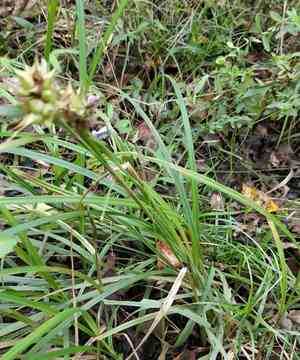
For hop sedge, a water-loving perennial featuring distinctive seed structures, trimming is uncomplicated. Cut back any withered or discolored leaves in late winter or early spring to stimulate new development. Eliminating faded flower stems post-flowering can improve its look and stop unwanted self-propagation. Always make precise cuts to safeguard the plant's well-being. Performing pruning during specific periods corresponds with its inactive phase and readies it for vigorous spring growth, providing both visual appeal and health advantages for the sedge.
Advantages of Trimming Hop Sedge
Advantages of Trimming Hop Sedge
Trimming hop sedge promotes robust development and maintains its desired form. Consistent cutting prevents excessive growth, ensuring the plant's vitality and visual appeal in garden settings.
Optimal Time for Trimming Hop Sedge
Optimal Time for Trimming Hop Sedge
Trimming hop sedge in early spring coincides with its post-dormancy phase, when the plant begins its active growth, facilitating quicker recovery from pruning stress. In late winter, the plant remains dormant, allowing pruning without disrupting its growth cycle or sap flow, thereby reducing disease and pest risks.
Tools Required for Trimming Hop Sedge
Hand Pruners
Perfect for shaping and trimming hop sedge, as these plants typically don't need heavy cutting. Hand pruners provide the precision and control necessary for hop sedge's slender, grass-like leaves.
Shears
Useful for cutting back larger clumps of hop sedge and shaping the plant into a neat, rounded form. Shears enable quick, clean cuts and can manage the plant's density.
Gardening Gloves
Though not a cutting tool, gloves protect hands from the sharp edges of hop sedge's foliage during trimming and upkeep tasks.
Long-Handled Loppers
For more extensive or deeper pruning tasks, providing gardeners with the extra reach to maintain larger areas of hop sedge without back strain.
How to Trim Hop Sedge
Sanitize tools
Before beginning the trimming process, ensure all cutting implements are clean and sharp to prevent disease transmission to hop sedge.
Identify
Inspect hop sedge closely to find diseased or withered leaves. Be sure to differentiate these from healthy growth.
Cut affected
Using the prepared cutting tools, carefully snip at the base of the diseased or withered leaves, avoiding harm to surrounding healthy foliage.
Discard
Gather the removed leaves and dispose of them properly to prevent the spread of any potential pathogens in your garden.
Cleanse
After trimming hop sedge, sanitize the cutting tools again to prevent transferring any potential infection to other plants.
Common Trimming Errors with Hop Sedge
Excessive pruning
Removing too much foliage at once can stress hop sedge and negatively affect its health. Aim to trim no more than one-third of the plant at a time.
Incorrect cutting method
Cuts made too far from the base can leave unsightly stubs, while cuts too close can damage the crown or growing points of hop sedge. It's crucial to make clean cuts at the appropriate height.
Neglecting dead material
Failing to remove dead or decaying material can hinder new growth and may encourage disease and pest infestation in hop sedge.
Uniform trimming
Cutting hop sedge to a uniform height without considering its natural shape can result in an unnatural appearance and potential harm to the plant.
Using dull tools
Dull trimming tools can cause tearing or ragged cuts, making hop sedge more vulnerable to disease and stress.
General Trimming Advice for Hop Sedge
Sterilize tools
Before you start, sterilize your trimming tools with alcohol or bleach solution to prevent the spread of disease among plants.
Maintenance trimming
Regular maintenance trimming of hop sedge involves removing dead or yellowing foliage to encourage healthy growth.
Natural shape
Trim hop sedge by following its natural form to maintain the plant's shape and aesthetic appeal.
Water after trimming
After trimming, water hop sedge adequately to reduce stress and aid recovery, which encourages healthy regrowth.
Monitor plant response
Observe how hop sedge responds to trimming and adjust your technique if necessary to ensure you promote the health and vigor of the plant.



