How to Prune Spider plant?
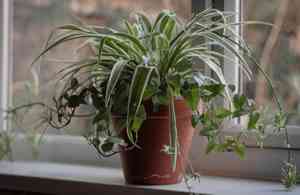
The spider plant, recognized for its trailing leaves and small, spider-like offspring, is both resilient and decorative. Essential trimming includes routinely removing faded foliage and snipping off browned ends to enhance its well-being and look. Perform pruning from early spring through late autumn, aligning with its periods of vigorous development. This practice stimulates denser growth and prevents energy from being expended on decaying sections. Disinfect your cutting implements to avert the spread of pathogens. Such maintenance guarantees the spider plant's vitality and visual charm.
What Are the Benefits of Pruning Spider Plant?
What Are the Benefits of Pruning Spider Plant?
Trimming spider plant promotes robust development and maintains its desired form. It's crucial for eliminating dead leaves or offshoots, which encourages fresh foliage and keeps spider plant looking lush and vibrant.
What Is the Best Time for Pruning Spider Plant?
What Is the Best Time for Pruning Spider Plant?
These periods are considered ideal for pruning spider plant as they coincide with the plant's active growth phase. In early spring, the frost risk has passed, allowing spider plant to recover and begin a new growth cycle. Pruning then stimulates new growth and revitalization after winter dormancy. Continuing to trim spider plant through summer and into late fall helps maintain its shape and size, and removes any yellow or brown 'pups' and spent flower stalks, promoting healthier foliage. It's important to stop pruning as spider plant enters winter dormancy, as trimming at this time can cause undue stress to the plant.
What Tools Do I Need to Prune Spider Plant?
Sharp Scissors or Snips
Perfect for precise cuts on delicate foliage and arching stems. These enable easy access into dense growth without harming the plant.
Hand Pruners
Useful for thicker stems or when removing entire offshoots. They provide a clean cut that helps prevent damage to spider plant.
Gloves
Hand protection is recommended when handling spider plant, as repeated cutting can cause blisters. Gloves also keep hands clean and guard against potential skin irritants.
How to Prune Spider Plant
Step1: Identify parts for pruning
Thoroughly inspect spider plant to pinpoint areas needing pruning – focus on yellowed leaves, withered sections, and brown tips.
Step2: Sanitize pruning tools
Disinfect your pruning shears or scissors with rubbing alcohol to prevent disease transmission.
Step3: Remove yellow leaves
Cut yellow leaves at the base of their stem, as close to the soil line as possible without harming other healthy foliage. Yellow leaves won't regain their green color, and their removal will improve spider plant's appearance and redirect energy to new growth.
Step4: Cut withered sections
Eliminate withered plant sections by tracing the stem of the withered part down to the base and making a clean cut at the soil line, ensuring not to damage healthy adjacent stems and leaves.
Step5: Trim brown leaf tips
Snip brown tips by making a straight or angled cut across the affected leaf tip. Try to mimic the leaf's natural shape to preserve spider plant's aesthetic. Leave a small margin of the brown area to avoid cutting into healthy tissue.
Step6: Dispose of pruned debris
After pruning, discard the removed plant parts to prevent potential pests and diseases from affecting spider plant.
Step7: Water plant post-pruning
Water spider plant thoroughly after pruning to aid recovery and reduce plant stress. Allow excess water to drain to prevent root rot.
Step8: Provide stable lighting conditions
Place spider plant in an environment with indirect sunlight and ensure it's not exposed to extreme temperatures, as spider plant thrives in well-lit, stable conditions.
Step9: Monitor and maintain plant health
Observe spider plant over the subsequent weeks, performing additional trims as needed if new yellow leaves, withered sections, or brown tips appear.
Post-Pruning Care for Spider Plant
Post-Pruning Care for Spider Plant
Immediately after pruning spider plant, thoroughly water the soil to lessen stress and assist recovery. Maintain bright, indirect light, comfortable room temperatures (65-75°F), and high humidity, avoiding direct sunlight. Resume fertilization with a balanced, diluted solution after 4 weeks to support new growth. Monitor spider plant for wilting, discoloration, or signs of infection, gently removing any damaged foliage. Adjust care as necessary to encourage healthy rejuvenation.
Common Pruning Mistakes with Spider Plant
Over-Pruning
Removing too much of spider plant at once, which can stress the plant and hinder its ability to photosynthesize effectively.
Removing Healthy Foliage
Cutting off healthy leaves instead of only dead or yellowing ones, which can limit spider plant's growth potential and visual appeal.
Premature Pup Pruning
Trimming the plant's pups before they have adequately matured, which can prevent propagation and reduce the plant's fullness.
Using Dull or Dirty Shears
Tearing leaves and stolons instead of using sharp, clean shears, which can cause damage and make spider plant vulnerable to diseases.
Neglecting Spent Flower Stalks
Not removing the spent flower stalks, leading to wasted energy that spider plant could otherwise use for new growth or pup development.
Common Pruning Tips for Spider Plant
Sterilized Sharp Pruning Tools
Utilize sharp and sterilized pruning tools to make clean cuts that will heal quickly, preventing damage and potential infections in spider plant.
Prune Brown or Yellowing Leaves Only
Focus on removing only brown or yellowing leaves at their base by cutting them where they emerge from the main plant to promote a neat appearance and redirect energy to healthier parts of spider plant.
Prune Mature Pups
Wait until the pups (baby plants) are at least 2 inches in size or have several roots before pruning; this ensures they have sufficient stored energy to survive when transplanted.
Trim Spent Flower Stalks
Snip off dried-up spent flower stalks close to the base to encourage more energy to be directed toward foliage and pup production.
Light Trimming of Brown Leaf Tips
Lightly prune the tips of any leaves with brown ends to enhance spider plant's appearance without removing too much leaf surface area.



