How to Prune Peacock plant?
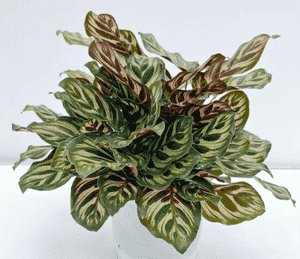
The peacock plant, known for its striking leaves, greatly benefits from regular trimming to eliminate discolored or withered foliage and foster denser development. Employ sterile, sharp scissors to snip off any faded or compromised leaves close to their origin. The most effective time for this maintenance is in late winter or early spring, just before its period of vigorous growth. This practice avoids undue strain and encourages strong development, leading to vivid, healthy leaves that showcase the peacock plant's decorative charm.
What Are the Benefits of Pruning Peacock Plant?
What Are the Benefits of Pruning Peacock Plant?
Trimming peacock plant encourages robust development and helps preserve its striking look by eliminating dead or yellowed foliage, ensuring the plant stays compact and full.
What Is the Best Time for Pruning Peacock Plant?
What Is the Best Time for Pruning Peacock Plant?
Late winter to early spring is considered the optimal period for trimming peacock plant due to several factors. Peacock plant typically enters a dormant phase during winter, making it less vulnerable to stress from pruning. Pruning before the spring growth surge ensures the plant can direct its energy toward producing new, healthy growth instead of sustaining older limbs that might be removed. Additionally, removing dead or excess foliage at this time helps prevent disease and pest infestations as warmer weather arrives. Pruning during this timeframe promotes a more vigorous growth cycle and maintains the plant's shape and aesthetic appeal without disrupting its flowering period, as peacock plant does not have a significant flowering phase to consider.
What Tools Do I Need to Prune Peacock Plant?
Precision Pruning Shears
These are crucial for making clean cuts on the slender stems of peacock plant. Accuracy is vital to avoid crushing or harming the delicate stems, which could lead to disease or pests.
Micro-Tip Snips
Perfect for reaching into the dense foliage of peacock plant without damaging adjacent leaves or stems, these snips allow for precise trimming, especially useful for deadheading or removing small, yellowing leaves.
Gloves
Protective gloves are important while pruning to prevent skin irritation and ensure a better grip on the tools being used for the task at hand.
Disinfectant
To prevent the spread of disease, always use a disinfectant to clean pruning tools before and after use on peacock plant. This is especially true if the same tools are used on multiple plants.
How to Prune Peacock Plant
Step1: Identifying Yellow Leaves
Identify the yellow leaves on peacock plant. These are leaves that have lost their vibrant color, turning to a pale or yellow hue, indicating that they are no longer beneficial for the plant.
Step2: Sterilizing Pruning Tools
Prepare sterilized and sharp pruning shears or scissors. Disinfect the tools by wiping them with rubbing alcohol or a household disinfectant before cutting to prevent the spread of disease.
Step3: Locating Leaf Base for Removal
Gently hold a yellow leaf and follow the leaf stem to the base of peacock plant, where it emerges from the main stem or soil. Locate the base for a clean cut.
Step4: Cutting Yellow Leaves at Base
Cut the yellow leaf at its base where it attaches to the main stem or just above the soil line, taking care not to damage the neighboring healthy tissue. Make the cut clean and swift to minimize stress on peacock plant.
Step5: Finding Withered Branches
Locate withered branches on peacock plant, which are dry, brittle, and no longer show signs of life or growth. These are typically devoid of healthy leaves or may have crispy brown foliage.
Step6: Tracing Withered Branch to Healthy Stem
Follow a withered branch down to the point where it connects to a larger, healthy stem. Look for a node or joint just before the withered portion.
Step7: Pruning Above Healthy Node
Prune the withered branch just above the node or joint connecting to the healthy stem using the sanitized pruning shears. Angle the cut to allow water runoff and promote healing.
Step8: Trimming Unhealthy Foliage
Inspect peacock plant for any other unhealthy or unsightly foliage that may need trimming, such as leaves with brown tips or edges. These can be trimmed back to healthy tissue to maintain the appearance of peacock plant.
Step9: Disposing of Pruned Material
After pruning, discard all removed plant material away from peacock plant to prevent any fungal or bacterial diseases from spreading back to the plant.
Step10: Watering Post-Pruning
Water peacock plant after pruning to help it recover, but avoid overwatering as this can cause additional stress. Follow the normal watering routine for peacock plant.
Step11: Cleaning Tools Post-Pruning
Clean the pruning shears or scissors again after use to prevent transferring potential diseases to other plants in the future.
Post-Pruning Care for Peacock Plant
Post-Pruning Care for Peacock Plant
After trimming peacock plant, gently clean cuts with water to reduce infection risks. Maintain high humidity around peacock plant and ensure indirect bright light to aid recovery. Avoid temperature extremes. Resume feeding with balanced fertilizer after 4 weeks to facilitate regrowth. Regularly inspect peacock plant for wilting or discolored leaves indicative of stress or disease, addressing issues promptly with appropriate horticultural methods. Gradual acclimation to usual care routines is key for peacock plant's rejuvenation.
Common Pruning Mistakes with Peacock Plant
Over-Pruning Promotes Plant Stress
Cutting too much off at once can shock peacock plant, leading to excessive stress on the plant. Always prune conservatively, focusing on dead or yellowing leaves rather than removing healthy foliage.
Dull or Dirty Tools Harm Plants
Using dull or unclean tools can cause damage to peacock plant by creating jagged cuts that are susceptible to infection. Always use sharp, sterilized pruning shears or scissors.
Ignoring Natural Growth Patterns
Snipping without considering peacock plant's natural growth pattern can result in an unsightly appearance and potentially hinder the plant's growth. Understand the growth habit before pruning to maintain the plant's aesthetic.
Common Pruning Tips for Peacock Plant
Prune Dead Leaves for Health and Airflow
Remove dead or fading leaves at the base near the stem to promote healthy growth and airflow around peacock plant. This helps to direct the plant's energy to new, healthy growth.
Stimulate Growth with Cuts Above Leaf Nodes
Make clean cuts on peacock plant above a leaf node, as this can stimulate new growth. A leaf node is where the leaf or branch connects to the stem.
Check for Pests and Diseases While Pruning
Regularly inspect peacock plant for signs of pests or disease during pruning sessions, as early detection can prevent the spread and facilitate a quicker response to any issues that arise.



