How to Prune Butter-and-eggs?
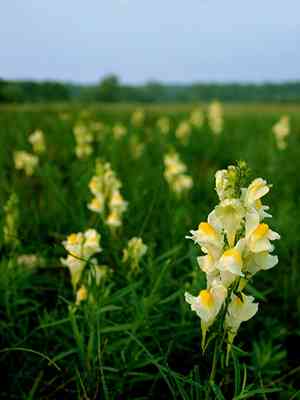
Recognized for its yellow, snapdragon-like blossoms featuring orange beards, butter-and-eggs is a robust, herbaceous perennial. Trim butter-and-eggs during early spring to encourage development and preserve its form. Removing spent blooms during late summer promotes further flowering. Extensive pruning is necessary, as butter-and-eggs has the potential to become invasive. Advantages encompass boosting the plant's vitality and managing its proliferation in cultivated areas.
What Are the Benefits of Pruning Butter-and-eggs?
What Are the Benefits of Pruning Butter-and-eggs?
Trimming butter-and-eggs encourages robust development and maintains its desired form. By selectively cutting back overgrown stems, gardeners can foster fuller, healthier growth and manage this resilient plant's spread.
What Is the Best Time for Pruning Butter-and-eggs?
What Is the Best Time for Pruning Butter-and-eggs?
Early spring is ideal for trimming butter-and-eggs as the plant is still dormant, making it less vulnerable to stress and illness. This timing allows butter-and-eggs to focus its energy on new growth and repair any cutting damage when it emerges from dormancy. Pruning in late summer, after flowering, helps remove spent blooms, which can stimulate a second bloom and prevent unwanted seed dispersal. It also shapes the plant and maintains vigor while preparing it for the next growing season.
What Tools Do I Need to Prune Butter-and-eggs?
Hand Pruners
Perfect for snipping slender stems and deadheading, enabling precise cuts without harming adjacent butter-and-eggs stems.
Pruning Shears
Most effective for shaping and controlling butter-and-eggs' growth, suitable for clipping soft stems and leaves.
Gloves
Hand protection when trimming butter-and-eggs, especially crucial if the plant has irritants or the gardener has sensitive skin.
Garden Knife
Useful for dividing butter-and-eggs clumps and efficiently removing any dead portions from the plant's base.
Pruning Saw
Suitable for removing any old, woody butter-and-eggs stems that may develop over time and are too thick for hand pruners.
How to Prune Butter-and-eggs
Step1: Deadhead Wilted Flowers
Locate the faded flowers on butter-and-eggs. Look for blooms that are brown, withered, and no longer vibrant. These flowers have completed their life cycle and are ready for removal.
Step2: Snip Dead Blossoms at Base
Using clean, sharp pruning shears, cut the dead flowers at their base, just above the next healthy set of leaves. This will encourage butter-and-eggs to direct energy towards new growth and flower production.
Step3: Identify Overgrown Stems
Examine butter-and-eggs for stems that have grown too long. These are stems that are noticeably longer than others, possibly appearing out of place, extending into pathways, or shading other plants.
Step4: Prune Stems at a 45-Degree Angle
Trim these overgrown stems by cutting them back to a healthy set of leaves or a side shoot. This cut should be made at a 45-degree angle, approximately 1/4 inch above the chosen leaf set or shoot. This promotes better air circulation and light penetration.
Step5: Shape Plant and Encourage Growth
Repeat the process of trimming overgrown stems, ensuring to periodically step back to assess the overall shape of butter-and-eggs. Aim for a natural, balanced, and pleasing appearance while fostering healthy growth.
Step6: Remove Pruning Debris
After pruning, clear all clippings and dead flowers from the ground to prevent potential disease or pest issues. Good garden hygiene is essential for maintaining healthy plants.
Step7: Water and Fertilize Post-Pruning
Water butter-and-eggs if the soil is dry, and apply a balanced fertilizer if needed, to provide the plant with nutrients to recover from pruning and support new growth. Be careful not to over-fertilize, as this can lead to more foliage production at the expense of flowers.
Step8: Monitor for New Growth
Observe butter-and-eggs after pruning for indications of new growth. This typically occurs within a few weeks, depending on the season and environmental conditions. Regularly inspect butter-and-eggs to ensure it remains healthy and well-shaped.
Post-Pruning Care for Butter-and-eggs
Post-Pruning Care for Butter-and-eggs
Immediately after trimming butter-and-eggs, thoroughly water the plant to minimize stress. Ensure it receives adequate indirect sunlight and maintain a consistent temperature, avoiding extreme heat or cold. Adjust humidity to prevent dehydration. Fertilize butter-and-eggs with a balanced, slow-release formula to encourage healthy regrowth. Monitor regularly for wilting, discoloration, or signs of infection. If symptoms appear, isolate the plant and consult a horticultural expert for appropriate treatment.
Common Pruning Mistakes with Butter-and-eggs
Avoid Cutting into Old Wood
Cutting into the woody, non-productive base of butter-and-eggs can harm or kill the plant, as it typically does not recover well from old wood.
Prevent Over-Pruning and Foliage Stress
Excessive pruning or removing too much foliage at once can stress butter-and-eggs, hindering its growth and reducing its ability to photosynthesize effectively.
Use Sharp and Clean Pruning Tools
Using dull or dirty pruning tools can damage butter-and-eggs stems, leading to jagged cuts that make the plant susceptible to disease and pests.
Remove Spent Flowers to Control Seeding
Failing to remove spent flowers can result in unwanted self-seeding of butter-and-eggs, which might lead to excessive spreading and potential invasiveness.
Prune Faded Flowering Spikes for New Growth
Not trimming back faded flowering spikes can result in a messy appearance and may prevent butter-and-eggs from producing new, healthy growth.
Common Pruning Tips for Butter-and-eggs
Make Clean Cuts with Sharp Shears
Always use sharp, clean pruning shears to make precise cuts, which help butter-and-eggs heal faster and reduce the risk of disease.
Promptly Prune Fading Flowers to Encourage Blooming
Trim the fading flowers of butter-and-eggs promptly to encourage continuous blooming and to prevent the plant from expending energy on seed production.
Maintain Shape by Pruning After Blooms
Cut back the flowering stems of butter-and-eggs after the bloom period to maintain a tidy plant shape and promote the growth of new shoots.
Improve Airflow with Selective Stem Thinning
Thin out dense growth by selectively removing some butter-and-eggs stems at the base, which will improve airflow and light penetration, reducing the risk of fungal diseases.
Balance Pruning for Even Growth and Shape
Balance pruning by cutting back the outermost growth of butter-and-eggs more than the inner growth, which helps to maintain an even, compact shape and supports the development of new, vigorous stems.



