How to Prune Pygmy date palm?
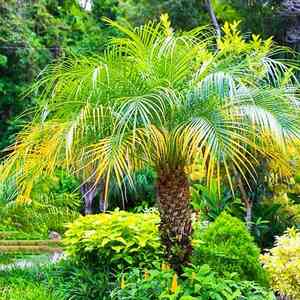
The pygmy date palm, a small palm variety featuring delicate fronds, flourishes with limited trimming, primarily for the removal of deceased or compromised foliage. Perform this activity in the initial part of spring or the latter portion of winter to foster its well-being and aesthetic appeal. Employ sanitized, keen implements to avert harm, concentrating on judicious thinning instead of severe reduction. Trimming boosts vitality, preserves an appealing form, and wards off ailments by improving air circulation among the fronds.
What Are the Benefits of Pruning Pygmy Date Palm?
What Are the Benefits of Pruning Pygmy Date Palm?
Trimming pygmy date palm encourages robust development, ensuring a compact and visually appealing shape by eliminating overgrown or deceased fronds that can harbor pests.
What Is the Best Time for Pruning Pygmy Date Palm?
What Is the Best Time for Pruning Pygmy Date Palm?
These periods are considered ideal due to pygmy date palm's dormant growth cycle during colder months, which lessens plant stress and conserves energy for future growth. Pruning in late winter reduces the chance of frost damage to fresh cuts while helping the plant keep its form and size. Trimming in early spring allows for the removal of any winter damage before the new growth cycle begins. Furthermore, pruning before hotter temperatures arrive supports healthy regrowth and blooming, aligning with pygmy date palm's natural active phase.
What Tools Do I Need to Prune Pygmy Date Palm?
Hand Pruners
Perfect for cutting small to medium-sized fronds near the trunk without harming pygmy date palm's main stem. Due to pygmy date palm's relatively small stature, hand pruners offer the necessary precision and control.
Lopping Shears
Useful for cutting through thicker fronds and stems that hand pruners might struggle with. Lopping shears provide longer handles for leverage, which can be helpful for reaching higher fronds of pygmy date palm.
Pole Saw
Beneficial for safely trimming fronds that are out of reach. Pygmy date palm's moderate height may occasionally require a pole saw to maintain a neat crown without needing a ladder.
Pruning Saw
Suitable for cutting through any dense or woody growth found in mature pygmy date palm. A sharp, curved pruning saw is excellent for making clean cuts on thicker branches while preventing tearing.
Gloves
Protective gloves are crucial to prevent injury from pygmy date palm's spines or sharp frond edges, as well as from any potential skin irritants.
Safety Goggles
Recommended to shield one's eyes from debris when trimming overhead fronds to prevent injury while caring for pygmy date palm.
Garden Disinfectant
Essential for sanitizing tools before and after pruning pygmy date palm to prevent the spread of disease among plants.
How to Prune Pygmy Date Palm
Step1: Inspect Plant and Prepare Tools
Thoroughly examine pygmy date palm to identify dead fronds, brown leaves, and areas of excessive growth. Ensure your pruning tools are sharp and clean to prevent disease transmission during the process.
Step2: Wear Protective Gear
Don protective gloves and long sleeves to shield your skin from pygmy date palm's sharp fronds and spines. Safety goggles are also advised to protect your eyes from falling debris.
Step3: Remove Dead Fronds
Begin by removing dead fronds from pygmy date palm. Cut each frond where it emerges from the trunk using lopping shears or a pruning saw. Make a clean cut without damaging the trunk.
Step4: Trim Brown Leaves
Check pygmy date palm for brown leaves, which often signal dead or dying material. Using sharp pruning shears, snip the brown leaves at their base where they meet green growth. Avoid tearing or ripping leaves, as this could harm healthy tissue.
Step5: Cut Back Excessive Growth
Address excessive growth by trimming overgrown fronds that disrupt pygmy date palm's natural shape. Cut fronds extending beyond the desired canopy, following the plant's contour. It's important to maintain the palm's natural, rounded form.
Step6: Check Plant Symmetry
After pruning the fronds, evaluate pygmy date palm for overall balance. If more fronds need removal for shaping, ensure the plant remains symmetrical from all angles.
Step7: Dispose of Trimmings
Gather all trimmings and discard them properly. Leaving cuttings can encourage disease or pest infestation around pygmy date palm.
Step8: Clean Tools Post-Pruning
Clean your tools with a solution of 1 part bleach to 9 parts water to prevent the spread of any potential diseases between plants.
Step9: Water Plant after Pruning
Water pygmy date palm thoroughly after pruning to aid its recovery and promote healthy new growth.
Post-Pruning Care for Pygmy Date Palm
Post-Pruning Care for Pygmy Date Palm
Immediately after trimming pygmy date palm, ensure ample watering to reduce stress. Place the plant in a shaded spot briefly to recover, avoiding direct sunlight. Maintain consistent humidity and a temperature between 60-75°F. Start a balanced, slow-release fertilizer regimen one month post-pruning to encourage growth. Regularly inspect pruned areas for discolored foliage or sap, which indicate distress or infection. If these symptoms appear, prune affected areas and apply a fungicide approved for pygmy date palm. Consistently monitor soil moisture, preventing overwatering, to support optimal recovery.
Common Pruning Mistakes with Pygmy Date Palm
Excessive Pruning Weakens Plant
Over-trimming, which can lead to pygmy date palm's weakening and reduce its ability to photosynthesize effectively.
Unnecessary Green Frond Removal
Cutting green fronds unnecessarily, which can deprive pygmy date palm of vital nutrients and energy.
Using Dull or Dirty Pruning Tools
Not using clean, sharp tools, resulting in jagged cuts that make pygmy date palm more vulnerable to diseases and pests.
Improper Cuts Near Trunk
Trimming too close to the trunk, which can damage the trunk and potentially hinder pygmy date palm's growth.
Over-Trimming Stresses Plant
Removing too many fronds at once, which can stress pygmy date palm and slow its development.
Common Pruning Tips for Pygmy Date Palm
Clean and Sharp Tool Usage
Utilize clean, sharp pruning tools to make precise cuts that heal quickly and minimize disease risk.
Removing Only Dead Fronds
Only remove brown, dying, or dead fronds as they won't contribute to pygmy date palm's growth and might harbor pests.
Leave Frond Bases Intact
When trimming pygmy date palm, leave several inches of the frond base on the trunk to avoid damaging the trunk and the plant's overall health.
Preserve New Growth Spears
Check pygmy date palm's center for new fronds (spears) and avoid harming them as they represent the plant's future growth.
Selective Pruning for Natural Shape
Practice selective pruning to maintain pygmy date palm's natural, elegant shape and promote its longevity and appeal.
Prune Flower Stalks When Necessary
If flower stalks are present and unwanted, they can be carefully removed to redirect the plant's energy back towards leaf growth.



