How to Prune Arrowhead plant?
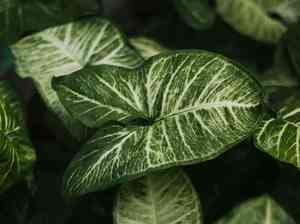
Renowned for its sagittate foliage and trailing nature, the arrowhead plant flourishes with consistent trimming. Key methods involve shortening elongated stems to foster a denser appearance and removing any discolored or compromised leaves to preserve vigor and visual appeal. Perform pruning from early spring through late autumn, aligning with active growth phases for strong recuperation. This practice also controls dimensions, encourages fresh sprouts, and aids in generating new specimens, thereby contributing to the arrowhead plant's overall health and extended lifespan.
What Are the Benefits of Pruning Arrowhead Plant?
What Are the Benefits of Pruning Arrowhead Plant?
Trimming arrowhead plant is essential for robust development and maintaining its desired form. Regular removal of excess foliage promotes a denser, stronger structure, enhancing its decorative appeal and preventing a sparse look.
What Is the Best Time for Pruning Arrowhead Plant?
What Is the Best Time for Pruning Arrowhead Plant?
These periods are considered ideal as they coincide with arrowhead plant's active growth phase. Pruning in early spring stimulates new growth and aids rapid recovery, leveraging the growing season's energy. Throughout summer, consistent trimming helps maintain its shape and encourages a bushier habit. Late autumn pruning should be lighter, preparing arrowhead plant for slower winter growth without undue stress. It's advisable to avoid heavy pruning in winter when the plant is dormant, as this can impair its health and vigor for spring.
What Tools Do I Need to Prune Arrowhead Plant?
Precision Pruners
Given the delicate nature of arrowhead plant's stems, precision pruners or micro-tip snips are perfect for making clean cuts without harming the soft tissue. These tools enable targeted removal of old or yellowing leaves and unnecessary foliage without affecting surrounding plant parts.
Clean Shears
Sharp, clean shears should be used when trimming arrowhead plant. Ensuring tools are clean helps prevent the spread of diseases and pests between plants. Sharp blades also contribute to a clean cut, which is healthier for the plant and promotes quicker healing.
Gloves
Wearing gardening gloves during pruning protects the gardener's hands from sap and can prevent potential skin irritation, as some individuals may be sensitive to arrowhead plant's sap.
Isopropyl Alcohol
Before and after pruning arrowhead plant, sanitize the blades of pruning tools with isopropyl alcohol to prevent disease transmission to the plant. Dip or wipe the blades with alcohol to ensure they are pathogen-free.
Scalpel or Razor Blade
For more intricate tasks, such as excising dead or diseased tissue, a scalpel or razor blade can be employed. This allows for precise removal of only affected areas, which can stop disease spread within arrowhead plant.
How to Prune Arrowhead Plant
Step1: Identifying Parts for Pruning
Pinpoint the arrowhead plant sections needing pruning, including yellowed leaves, dead stems, and overgrown foliage. Use clean, sharp, and sterilized pruning shears to prevent infection.
Step2: Trimming Yellow Leaves
For yellowed leaves, locate where the leaf meets the stem. Cut it at this junction with an angled cut. This promotes better healing and minimizes disease risk.
Step3: Cutting Dead Stems
Examine arrowhead plant for dead stems. They are typically dry, brittle, and brown. Cut these dead stems back to their base or to healthy tissue, ensuring a clean cut without tearing the plant's stems or leaves.
Step4: Reducing Overgrown Foliage
Address overgrown foliage by identifying leggy branches or areas where arrowhead plant lacks shape. Pinch or cut these sections back to a desired length, ideally just above a leaf node, to encourage bushier growth.
Step5: Shaping and Balancing Growth
When pruning overgrown areas, make deliberate cuts to shape arrowhead plant for aesthetic appeal and balanced development. Remember not to remove more than one-third of the plant in any single pruning session to avoid stress.
Step6: Disposal and Tool Maintenance
Properly dispose of trimmed material and clean shears after use to prevent the spread of any potential diseases to other plants.
Step7: Post-Pruning Care
After pruning, provide arrowhead plant with sufficient water and consider a balanced liquid fertilizer to aid recovery and new growth.
Step8: Monitoring Plant Health Post-Prune
Observe arrowhead plant over the subsequent weeks for any signs of stress or disease and to evaluate the success of your pruning. Adjust care as necessary.
Post-Pruning Care for Arrowhead Plant
Post-Pruning Care for Arrowhead Plant
Immediately after trimming arrowhead plant, maintain high humidity and provide indirect, bright light to aid recovery. Keep temperatures between 65-75°F. Water when the top inch of soil feels dry. Follow with a balanced, water-soluble fertilizer to replenish nutrients. Monitor arrowhead plant for wilting or discolored leaves, which may signal stress or infection. If observed, reduce watering and inspect cuts for proper healing. Ensure sterile tools were used for pruning to minimize infection risk.
Common Pruning Mistakes with Arrowhead Plant
Damaging Stems with Dull Tools
Using blunt or unclean pruning tools can harm arrowhead plant's stems, creating jagged cuts prone to disease.
Stress from Over-Pruning Foliage
Removing too much foliage at once can stress arrowhead plant, impeding its ability to photosynthesize and develop correctly.
Ignoring Dead Leaf Removal
Failing to remove yellowed or dead leaves can hinder new growth and create havens for pests.
Disregarding Natural Plant Shape
Pruning without considering the plant's inherent form may result in an unbalanced and visually unappealing appearance.
Improper Cuts Near Main Stem
Making cuts too close to the main stem can cause unnecessary damage to the nodes, from which new growth emerges.
Common Pruning Tips for Arrowhead Plant
Clean Cuts with Sterilized Shears
Utilize sterilized, sharp pruning shears to make clean cuts, which helps arrowhead plant heal faster and prevents disease spread.
Promote Bushier Growth Above Nodes
Prune just above a leaf node to encourage a bushier habit, as new shoots will often sprout from the cut nodes.
Improve Airflow with Inner Thinning
Thin out arrowhead plant's foliage by removing some inner growth to enhance air circulation and light penetration throughout the plant.
Encourage Fuller Vines with Regular Trimming
Regularly snip the tips of vines, especially if they are leggy, to maintain a fuller and more compact growth pattern.
Consider Natural Aesthetics During Pruning
Consider the overall shape and design of arrowhead plant when pruning, to preserve its natural beauty and avoid over-trimming.
Control Size Gradually to Avoid Stress
When pruning to manage size or shape, ensure you do not remove more than one-third of the plant's growth at a time to prevent stress.



