Boost Growth: How and When to Repot Your Spider plant Plant
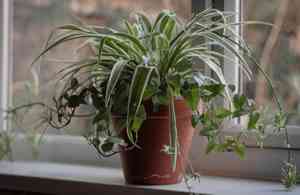
1
Repotting your Spider plant is optimally done in spring, though winter repotting is also suitable.
2
A thriving Spider plant contributes to better indoor air and can lower stress.
3
Spider plants thrive in soil that drains efficiently and containers that feature drainage openings.
Why Replant Your Spider Plant?
Understanding the Spider plant's growth progression
The Spider plant (Chlorophytum comosum) is a robust and favored houseplant, known for its straightforward maintenance and attractive look. Like all plants, it experiences a growth phase where its root system expands and new foliage develops. Over time, these roots can outgrow their current container, becoming constricted, which can impede the plant's development. Regular repotting guarantees your Spider plant has ample room to flourish and continue its healthy expansion.
Indicators that suggest it's time for a new pot
Identifying the cues that your Spider plant needs to be repotted is essential for maintaining its vitality. Typical signs include roots emerging from the drainage apertures, the potting medium drying out rapidly after irrigation, or the plant appearing root-bound (overcrowded in its container). Furthermore, if your plant seems to be drooping or exhibiting signs of distress despite consistent care, it might be time to consider replanting it.
Advantages of prompt repotting
Repotting your Spider plant at the appropriate moment offers numerous benefits. Firstly, it provides space for root expansion, fostering more robust and vigorous growth. Secondly, fresh potting mix introduces vital nutrients that may have been depleted over time. Lastly, repotting helps avert potential problems like root rot and offers a chance to assess the plant's overall health.
Selecting the Right Container and Substrate
Optimal pot dimensions and material for Spider plants
When choosing a new container for your Spider plant, select one that is approximately 2.5-5 cm (1-2 inches) larger in diameter than its current pot. This size allows for root development while preventing the soil from retaining excessive moisture, which could lead to root decay. Terracotta or ceramic pots with drainage holes are perfect, as they promote better air circulation and water expulsion compared to plastic containers.
Best soil compositions for peak growth
Spider plants prefer a well-draining soil that retains some moisture but does not stay waterlogged. A recommended blend consists of equal parts potting mix, perlite, and peat moss. This combination ensures adequate aeration and drainage while supplying sufficient nutrients. You can also incorporate a small amount of sand or orchid bark for enhanced drainage if necessary.
Step-by-Step Guide to Replanting a Spider Plant
Preparations before the repotting process
Before you begin repotting, gather all necessary items, including the new pot, soil mixture, gardening gloves, and a hand trowel. Water your Spider plant a day prior to repotting to make the root ball easier to manage. Also, select a suitable area to work in to minimize mess.
How to safely extract your Spider plant from its current container
To safely remove your Spider plant from its existing pot, gently loosen the soil around the edges using a trowel or your fingers. Tilt the pot slightly and support the plant's base while carefully easing the root ball out. If the roots are tightly entwined, you may need to tap the pot's sides or carefully snip away any roots growing from the drainage openings.
Transplantation methods
Place a layer of the prepared potting mixture at the bottom of the new container. Center the Spider plant and backfill the sides with soil, ensuring the plant sits at the same depth as in the previous pot. Gently firm the soil around the roots, avoiding excessive compression. Water the plant thoroughly to help the soil settle.
Post-repotting care for your Spider plant
After repotting, position your Spider plant in a bright location with indirect sunlight. Allow the soil to dry out slightly between waterings, as the plant acclimates to its new surroundings. Monitor the plant for any indicators of stress, such as wilting or yellowing foliage, and adjust care as needed. With proper aftercare, your replanted Spider plant will flourish and continue its beautiful growth.
Resolving Common Repotting Difficulties
Addressing root decay during the repotting process
Root decay is a frequent issue caused by overwatering or inadequate drainage. If you observe soft or discolored roots while repotting, prune away the affected parts with sterilized scissors. Repot the plant in fresh, well-draining soil and avoid excessive watering to prevent future occurrences.
Managing broken or damaged root structures
During repotting, it's possible to accidentally harm some of the roots. Should this occur, trim the fractured or compromised roots using clean, sharp scissors. Place the plant in the new pot and water it thoroughly, which will aid the plant's quicker recuperation. It's crucial to handle the plant gently to minimize additional stress.



