Boost Growth: How and When to Repot Your Oyster plant Plant
1
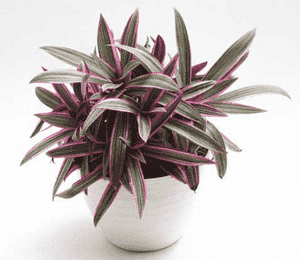
Oyster plants feature robust, succulent-like foliage arranged in rosettes.
2
Optimal repotting times are April or November, during the plant's dormant phases.
3
Utilize a soil blend that drains effectively to avoid excessive moisture retention.
Why Replant Your Oyster Plant?
Understanding the growth and root system of Oyster plant
The Oyster plant (Tradescantia spathacea) is known for its vibrant, green-purple leaves and robust growth. With its thick, succulent-like leaves growing in a rosette pattern, it requires enough space to spread both above and below the soil. As the plant matures, its roots can become crowded in its pot, limiting its ability to absorb water and nutrients efficiently.
Identifying signs that indicate the need for replanting
Signs your Oyster plant needs replanting include roots growing through the drainage holes, yellowing leaves, soil drying out quickly after watering, or a noticeable decline in growth. If the plant seems to be outgrowing its pot or the roots are tightly bound, it's time to consider replanting.
Benefits of replanting for plant health and aesthetics
Replanting your Oyster plant not only aids in replenishing nutrients but also improves drainage and aeration, essential for healthy root growth. Fresh soil prevents the buildup of salts and minerals from watering and fertilizers. Additionally, a new pot can enhance the aesthetic appeal of your plant, fitting better with your home decor.
When is the Best Time to Replant?
Seasonal considerations for replanting Oyster plant
The optimal times to replant your Oyster plant are during Spring and Winter, specifically in April and November. These seasons are less active for plant growth, minimizing stress and allowing the plant to adjust to its new environment more effectively.
Ideal conditions and environmental factors
During these times of the year, ensure the plant is in a stable indoor environment that's neither too hot nor too cold. A temperature range of 15-25°C (59-77°F) provides the best conditions for recovery and growth post-replanting.
Selecting the Right Pot and Soil
Choosing a pot that complements the size and style of Oyster plant
Pick a pot that is 2-4 cm (1-2 inches) larger in diameter than the current one, providing enough room for the roots to expand. Always ensure the pot has adequate drainage holes to prevent water from pooling, which can lead to root rot.
Discussing the best soil mixtures for optimal growth
A well-draining soil mix is paramount for the Oyster plant. Combine potting soil with perlite or sand to ensure good drainage. This mix supports the succulent-like nature of the plant's roots, preventing waterlogging and root rot.
Step-by-Step Guide to Replanting Oyster plant
Preparing your workspace and gathering necessary tools
Clear a workspace and gather all necessary tools: the new pot, fresh soil mix, gardening gloves, a trowel, and pruning shears. Lay down newspaper or an old sheet to catch any spilled soil and keep your area clean.
Steps to safely remove the plant from its current pot
Gently tap the sides of the pot to loosen the soil. Hold the base of the plant and slowly pull it out, keeping the root ball intact. If the plant is stuck, use a dull knife around the edges to release it, avoiding damage to the roots.
Ideal techniques for root trimming and soil replacement
Examine the roots for any dead or rotting parts and trim them with clean pruning shears. Position the plant in the new pot, fill it halfway with the soil mix, and add soil around the root ball until the plant is secure. Ensure the plant is level and upright.
Finalizing the replanting process and aftercare tips
Water the plant thoroughly after replanting, allowing excess water to drain out. Place the plant in a shady area for a few days to recover from any transplant shock. Resume regular care after a week, placing it back in its usual sunny spot but away from direct sunlight.
Troubleshooting Common Issues After Replanting
Addressing potential stresses and plant shock
It's common for plants to exhibit some signs of stress after replanting. If you notice wilting or yellowing leaves, ensure the plant isnât overwatered. Plant shock is normal; minimizing disturbance during replanting helps reduce its impact.
Tips for dealing with pests and diseases post-replant
Inspect your Oyster plant for pests like spider mites or signs of disease. Use neem oil or insecticidal soap to treat pests. Ensure proper watering and good drainage to prevent fungal infections. Keep the plant in a clean, sanitized environment to avoid these issues.



