Optimal Soil for Growing Spider plant: What You Need to Know
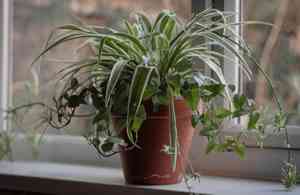
1
Spider plants thrive in soil with a pH range of 6.5 to 7.5.
2
Employing a highly permeable soil blend aids in averting root decay for Spider plants.
3
Transplanting Spider plants annually or biennially encourages robust development.
Optimal Soil Type for Spider Plants
Soil with Good Drainage
The correct soil composition is vital for your Spider plant's well-being. Good drainage is essential, meaning the soil permits water to pass through effortlessly, preventing it from becoming saturated. Too much moisture can lead to root rot, a frequent issue for Spider plants. It's best to select soil containing perlite or sand to guarantee proper drainage.
Preferred pH Levels
Spider plants thrive in soil with a pH level between 6.5 and 7.5. This range, slightly acidic to neutral, ensures that the plant can access crucial nutrients. You can check your soil's pH using a simple testing kit available at nurseries or online retailers.
Nutrient-Dense Mixture
For Spider plants, a nutrient-rich blend is necessary to support their vibrant green foliage and vigorous growth. Opt for a mix abundant in organic matter such as compost or well-rotted manure. These components supply the vital nutrients your plant requires to flourish.
Selecting the Appropriate Soil for Spider Plants
Ready-Made Potting Substrates
A convenient choice is to use pre-formulated potting mixes specifically designed for indoor plants. These blends typically already contain the correct balance of nutrients and materials to ensure your Spider plant thrives.
Formulating Your Own Soil Mix
If you prefer a hands-on approach, you can create your custom soil mix. Combine equal parts of standard potting soil, perlite, and peat moss. This combination offers excellent drainage, aeration, and nutrient content, providing an ideal environment for your Spider plant.
Essential Mix Components
When preparing your own mix, incorporate elements like perlite for drainage, peat moss or coconut coir for moisture retention without saturation, and compost for essential nutrients. This blend will offer the balanced conditions Spider plants require.
Is Repotting Necessary for Spider Plants?
Indicators for Repotting
Several cues suggest your Spider plant may require repotting. These include roots emerging from the drainage holes, soil that dries out very quickly, or if the plant appears disproportionately large for its current container.
Optimal Repotting Period
The best time to repot Spider plants is during their active growth phase, generally spring or summer. This timing allows the plant to adjust more easily to its new surroundings.
Procedure for Repotting Spider Plants
To repot, gently extract the plant from its current container, loosen the root ball, and transfer it to a larger pot filled with fresh, well-draining soil. Water the plant thoroughly to aid its acclimation to the new home.
Potential Soil Issues for Spider Plants
Typical Soil Problems
Common soil issues for Spider plants include inadequate drainage, which can lead to root rot, and soil compaction, which inhibits root development. Ensuring proper drainage can alleviate these concerns.
Mitigating Soil Compaction
To prevent soil compaction, periodically aerate the soil by gently disturbing the surface. Incorporating ingredients like bark chips or perlite can also help maintain a loose and airy soil structure.
Identifying Nutrient Deficiencies
Yellowing leaves or stunted growth can signal nutrient deficiencies. Regularly enrich the soil with organic compost or a balanced liquid fertilizer to guarantee your Spider plant receives the necessary nutrients.
Suitability of Garden Soil for Spider Plants
Problems with Outdoor Soil
Using garden soil for Spider plants is not advised because it tends to be too dense, leading to poor drainage and compaction. Furthermore, garden soil might harbor pests or diseases that could harm indoor plants.
Modifying Garden Soil
If using garden soil is unavoidable, amend it by mixing in perlite, sand, or compost to enhance drainage and aeration. Sterilizing the soil by baking it can help eliminate any pests or diseases.
Differences Between Container and Garden Soil
Soil for containers needs to provide sufficient drainage, aeration, and nutrient content, which differs from the requirements of plants growing in the ground. Always opt for a specialized potting mix to maintain your Spider plant's health.



