Optimal Soil for Growing Pygmy date palm: What You Need to Know
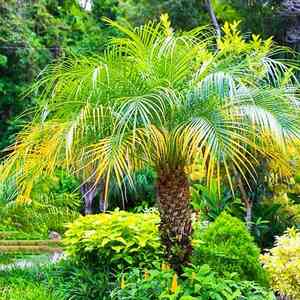
1
Pygmy date palm flourishes in soil having a pH range of 6.5 to 7.5.
2
Properly draining soil is essential to avoid root decay in Pygmy date palm.
3
Consistent soil analysis guarantees the soil maintains ideal conditions for development.
What Soil Type Does Pygmy Date Palm Prefer?
Soil Makeup
For a thriving Pygmy date palm, understanding its preferred soil type is crucial. These palms typically favor soil rich in organic matter. They flourish best in a loamy mix, a balanced combination of sand, silt, and clay. This blend offers an ideal environment for roots to absorb nutrients while ensuring proper drainage.
Optimal pH Range
Maintaining the correct soil pH is vital for a Pygmy date palm's well-being. These palms grow best in soil with a pH between 6.5 and 7.5. This slightly acidic to neutral range allows for peak nutrient uptake, fostering healthier growth and vibrant foliage. Routine soil testing helps monitor and adjust pH as needed.
Drainage Needs
Excellent drainage is essential for Pygmy date palm care. This plant is highly prone to root rot if left in waterlogged soil. To ensure adequate drainage, mix sand or perlite into the soil. Additionally, planting in raised beds or containers with drainage holes prevents water from accumulating around the roots.
How to Prepare Soil for Pygmy Date Palm Planting?
Choosing the Correct Soil Blend
Selecting the appropriate soil mix is the initial step in preparing to plant a Pygmy date palm. A commercial palm or cactus mix often provides a good foundation, combining organic material and well-draining components. It's a convenient starting point, but you can always enhance it by adding extra perlite or sand for improved drainage.
Improving Existing Soil
If your garden soil doesn't naturally suit the Pygmy date palm's requirements, amending it can help. Incorporating organic compost can boost soil structure and nutrient content. Furthermore, you can add materials like peat moss or coconut coir to enhance moisture retention without hindering drainage.
Sanitizing Soil
Sterilizing the soil before planting can prevent the introduction of pests and diseases that might harm your Pygmy date palm. This step is particularly important if you're using garden soil or composted materials. Methods for sterilizing soil include baking it in an oven at 180°F (82°C) for 30 minutes or using solarization techniques by covering the soil with clear plastic and exposing it to direct sunlight for several weeks.
Common Soil Issues for Pygmy Date Palm
Dense Soil
Compacted soil can impede root growth and limit access to vital nutrients and water for your Pygmy date palm. To alleviate compaction, regularly aerate the soil or incorporate compost and perlite to improve its structure and encourage better root development.
Soil Nutrient Deficiencies
Soil nutrient deficiency is a frequent problem that can hinder your Pygmy date palm's growth. Using a balanced palm fertilizer can help replenish essential nutrients. Look for fertilizers with a ratio near 3-1-3 or 8-1-10 and apply as directed on the label to maintain optimal soil nutrient levels.
Excessive Watering Problems
Overwatering is a common issue that can lead to root rot in Pygmy date palms. Ensure your palm is planted in well-draining soil and avoid watering until the top 1-2 inches (2.5-5 cm) of soil feel dry to the touch. A moisture meter can help accurately monitor soil moisture levels.
Expert Advice for Maintaining Optimal Soil Conditions
Routine Soil Analysis
Regular soil testing is an excellent method to monitor your Pygmy date palm's soil health. Testing kits are widely available and simple to use. By checking pH and nutrient levels, you can make informed decisions about amendments and fertilizers to keep the soil in prime condition.
Adjusting pH Levels
If soil tests show that the pH level is outside the preferred range of 6.5 to 7.5, you can make adjustments. To increase the pH level, incorporating lime is effective. Conversely, to decrease pH, elemental sulfur or organic materials like pine needles can be used. Always follow recommended guidelines for the safe and effective use of pH-adjusting materials.
Effective Mulch Application
Mulching is an excellent strategy to help maintain ideal soil conditions for your Pygmy date palm. Organic mulch, such as wood chips or shredded leaves, can help retain soil moisture, suppress weeds, and gradually improve soil quality as it decomposes. Just ensure that the mulch is kept a few inches away from the palm's base to prevent fungal issues.



