How Much Sunlight Do Butter-and-eggs Need?
1
Butter-and-eggs flourishes in direct sunlight but can endure some shade.
2
Confirm Butter-and-eggs gets a minimum of 6-8 hours of sun each day for peak development.
3
Look for indications of too much sun, such as burned leaves, and too little, like stretched stems.
Grasping Sunlight Needs for Butter-and-eggs
Native Environment of Butter-and-eggs
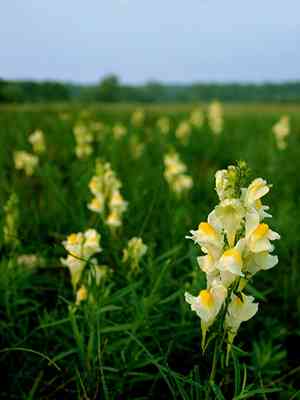
In its natural setting, Butter-and-eggs thrives in sunny meadows, open fields, and alongside roadways. This resilient perennial is accustomed to areas receiving ample sunlight throughout the day. By understanding its native habitat, you can better replicate these conditions in your garden to ensure your Butter-and-eggs plants flourish.
Sunlight Conditions Butter-and-eggs Prefers
Butter-and-eggs favors full sun, meaning it should receive a minimum of six hours of direct sunlight daily. While it can endure partial shade, where it might get some morning sun and afternoon shade, full sun exposure promotes the best blooming. Ensure your planting site is clear of large trees or structures that cast long shadows.
Ideal Sunlight Duration for Butter-and-eggs
Full Sun Versus Partial Shade
For the healthiest development and most vibrant blossoms, it's best to cultivate Butter-and-eggs in an area that receives full sun exposure. They can still grow in partial shade, but may not produce as many flowers or grow as vigorously. Aim for a sunny spot that provides at least 6-8 hours of sunlight.
Seasonal Light Fluctuations
During spring and summer, Butter-and-eggs will benefit from the extended daylight hours and more intense sunlight. However, in autumn and winter, when days are shorter, ensure plants receive as much light as possible by avoiding shaded areas. If you reside in a region with less sun during certain seasons, consider planting the Butter-and-eggs in a location with maximum possible exposure.
Indicators of Appropriate Sunlight for Butter-and-eggs
Signs of Healthy Development
If your Butter-and-eggs is receiving the correct amount of sunlight, you'll observe robust growth, vibrant green foliage, and an abundance of beautiful yellow and orange flowers. The plant will exhibit a compact, bushy form without any signs of insufficient or excessive sunlight stress.
Symptoms of Too Much or Too Little Sunlight
Excessive sunlight can lead to leaf scorching and wilting, while insufficient light can result in leggy growth and fewer blooms. If you notice these symptoms, consider adjusting the plant's position or utilizing garden structures to moderate sunlight exposure.
Adjusting Sunlight Exposure for Butter-and-eggs
Strategic Plant Positioning
Position your Butter-and-eggs in the sunniest part of your garden, ideally an area that gets morning to midday sun. If growing in containers, you can relocate them to capture more light as the sun shifts. Avoid planting under dense canopy trees or near tall buildings that could obstruct sunlight.
Utilizing Garden Structures for Light Management
Employ garden structures like trellises or pergolas with adjustable coverings to manage the amount of sunlight your Butter-and-eggs plants receive. In regions with extremely hot summers, these structures can provide partial shade during the hottest part of the day, preventing sunburn while still allowing adequate light for growth.
Common Errors in Sunlight Management for Butter-and-eggs
Overexposure Dangers
Exposing Butter-and-eggs to too much intense sunlight, especially in the afternoons, can cause leaf burn and dehydration. Avoid placing plants where they will receive mid-afternoon sun in particularly hot climates.
Underexposure Difficulties
Planting Butter-and-eggs in areas with inadequate sunlight can lead to spindly growth, weak stems, and pale leaves with reduced flowering. If your garden doesn't receive enough natural light, consider supplementing with grow lights.



