How Much Sunlight Do Small-leaf spiderwort Need?
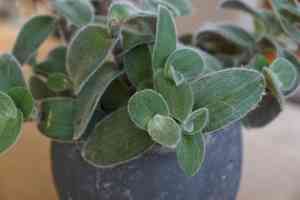
1
Small-leaf spiderwort prefers moderate sun exposure, ideally getting 3 to 6 hours of light per day.
2
While it can endure both direct sun and complete shade, balanced light leads to superior development.
3
For indoor cultivation, positioning near windows facing east or west offers ideal illumination.
Understanding the Illumination Needs of Small-leaf spiderwort
Native Environment and Light Conditions
The Small-leaf spiderwort originates from the tropical and subtropical zones of South America. In its native habitat, this plant thrives under filtered sunlight that penetrates the forest canopy. These circumstances provide a mix of direct and indirect sun, enabling Small-leaf spiderwort to adapt well to moderate light levels.
Indoor Versus Outdoor Illumination
When cultivated indoors, the Small-leaf spiderwort should ideally be positioned near windows that receive morning sun or diffused afternoon light. East or west-facing windows frequently offer the optimal balance. Outdoors, this plant flourishes in partial shade, where it gets some direct sun but is protected during the day's most intense hours. Excessive direct sun can scorch leaves, while too little light can hinder growth.
What Kind of Sunshine Does Small-leaf spiderwort Prefer?
Direct Versus Indirect Illumination
The Small-leaf spiderwort favors indirect sunlight over direct exposure. Direct sun, especially at midday, can be overly harsh, causing leaves to burn and suffer damage. Indirect light, such as that filtered through a sheer drape or reflected from walls, is typically ideal for this plant, fostering robust growth and vivid foliage.
Prime Locations for Optimal Solar Exposure
For indoor settings, positioning the Small-leaf spiderwort near an east or west-facing window is perfect. This placement allows the plant to receive gentle sunlight in the morning or late afternoon, avoiding the intense midday sun. Outdoors, place your plant where it gets morning sun and afternoon shade, for instance, beneath the partial cover of a tree or patio.
How to Adapt Sunlight for Different Seasons?
Spring and Summer Adjustments
During spring and summer, sunlight is more intense and lasts longer. It's crucial to shield your Small-leaf spiderwort from strong afternoon sun during these months. Consider moving your plant to a shadier location or using a sheer curtain to soften the light. Additionally, ensure adequate watering to account for increased moisture loss.
Fall and Winter Considerations
In fall and winter, natural light diminishes and becomes less powerful. You may need to reposition your Small-leaf spiderwort closer to a light source to ensure it receives sufficient illumination. Alternatively, you can supplement with artificial grow lights to provide the necessary intensity and duration of light.
How to Recognize and Resolve Light-Related Issues?
Indicators of Overexposure to Sunlight
If your Small-leaf spiderwort is receiving excessive light, its leaves may change color, turning yellow or brown, and might exhibit signs of scorching. Overexposure often makes the plant appear faded and stressed.
Indicators of Insufficient Light
Conversely, inadequate light can cause the Small-leaf spiderwort to become leggy, with elongated stems and sparse leaves. The plant might also lose its vibrant coloration and appear duller.
Recommendations for Managing Light Conditions
To ensure your Small-leaf spiderwort receives the correct amount of light, consider these suggestions:Rotate your plant periodically to encourage balanced development.Employ sheer curtains to diffuse direct sunlight if the plant is near a bright window.Relocate the plant seasonally to adapt to shifts in natural light.Supplement natural light with artificial grow lights during the darker months.



