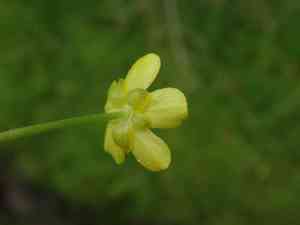
The Hidden Danger in Your Home? Unmasking the Toxicity of the Greater creeping spearwort Plant.
1
Every component of the greater creeping spearwort plant is toxic, including its sap.
2
The harmful substance ranunculin in greater creeping spearwort transforms into protoanemonin, leading to irritation.
3
Consumption results in a painful burning sensation in the mouth, lips, and tongue.
Is Greater creeping spearwort harmful to people?
Greater creeping spearwort is a toxic plant, posing a low to moderate risk. Ingesting it can lead to moderate to severe poisoning, and skin contact may result in contact dermatitis. Every part of the plant, including its sap, is known to be poisonous. This is due to an oily glycoside called ranunculin, which transforms into protoanemonin in the body, an irritating chemical. If consumed, the plant causes a painful, burning sensation in the mouth, lips, and tongue. Other poisoning symptoms include excessive salivation, an unsteady gait, and digestive issues like nausea, bloody diarrhea, abdominal pain, and vomiting. Contact with the plant's sap can cause skin redness, blistering, itching, and swelling.



