How to Transplant Hazel alder?
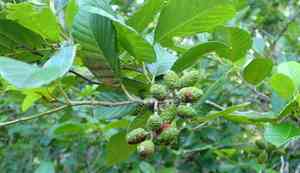
The most favorable time for transplanting hazel alder is within the mild period from late spring to mid-summer, which facilitates robust root development. Select a moist, adequately drained location and carefully place the hazel alder, making sure its root system remains intact for optimal adaptation.
What Preparations are Needed Before Transplanting Hazel Alder?
What is the Ideal Time for Transplanting Hazel Alder?
The most favorable period for moving hazel alder is during the mild conditions of late spring to mid-summer. This timeframe provides hazel alder with crucial growth energy, ensuring robust root development and adaptation before the onset of harsher seasons. Relocating hazel alder within this warm window maximizes its potential, setting the stage for a strong and thriving existence. Adhering to this timely transplanting practice not only aligns with the plant's natural growth cycle but also leverages the beneficial climate, offering your hazel alder the foundation for a successful start.
How Much Space Should You Leave Between Hazel Alder Plants?
Ensure adequate room for your hazel alder to expand. An optimal spacing of approximately 4-6 feet (1.2-1.8 meters) is recommended. This provides sufficient area for each plant to receive its own sunlight and nutrient supply.
What is the Best Soil Mix for Hazel Alder Transplanting?
Your soil base is vital for hazel alder's development. Prepare a well-draining, humus-rich soil mixture. Prior to planting, enrich the soil with a general-purpose, slow-release granular fertilizer to promote a healthy beginning.
Where Should You Relocate Your Hazel Alder?
The hazel alder thrives in sunny or partially shaded locations. It is adaptable, but remember that even shade-tolerant plants require some daily sun exposure. Select a site that meets these criteria to encourage vigorous growth.
What Equipments Should You Prepare Before Transplantation Hazel Alder?
Gardening Gloves
To safeguard your hands from scrapes or injury while handling the plant and soil.
Spade or Shovel
To excavate the plant from its original spot and create the new planting hole.
Wheelbarrow or Garden Cart
To transport the plant to its intended new location.
Hand Pruners
To trim any damaged roots or branches during the relocation process.
Watering Can or Hose
To irrigate the plant after transplanting, ensuring proper establishment.
Organic Mulch
To help maintain soil moisture and shield the plant's roots after transplant.
Stake and Plant Ties
To offer support for the hazel alder plant if necessary, preventing damage from wind or heavy rainfall.
How Do You Remove Hazel Alder from the Soil?
How Do You Remove Hazel Alder from the Soil?
From Ground: First, thoroughly water the hazel alder plant to moisten the surrounding soil, making extraction easier. Using a spade or shovel, carefully begin digging a wide trench around the plant, ensuring the root ball remains intact. Once the trench is sufficiently wide and deep, gently work your spade beneath the root ball and carefully lift the plant from its position. Endeavor to avoid damaging the roots during this process.From Pot: Begin by watering your hazel alder plant, then gently invert the container with the plant stem guided between your fingers extending from the bottom. Lightly tap the base of the pot until the plant and root ball slide out. Handle the root ball with care to prevent root damage.From Seedling Tray: If your hazel alder plant is a seedling, it's crucial to water it first. Subsequently, gently push from the bottom of the tray's mold to lift it, ensuring minimal damage to the young and delicate roots.
Step-by-Step Guide for Transplanting Hazel Alder
Preparation
Begin by thoroughly watering the hazel alder plant in its current location a day prior to transplanting to ensure it is well-hydrated.
Digging
In the new site, excavate a hole with your spade that is twice as wide and the same depth as the hazel alder plant's root ball.
Transplanting
Position the hazel alder plant in the newly dug hole, ensuring the top of the root ball is level with or slightly above the ground. Carefully backfill the hole, gently pressing the soil around the roots. Avoid covering the stem or leaves.
Watering
Water the hazel alder plant thoroughly immediately after planting to help settle the soil. However, refrain from overwatering as it can lead to root rot.
Mulching
Apply a layer of organic mulch around the base of the plant to help retain soil moisture and protect the plant's roots.
How Do You Care For Hazel Alder After Transplanting?
Watering
Consistently irrigate the newly transplanted hazel alder for the initial few weeks to aid in establishing strong roots. Prevent the soil from drying out but also avoid waterlogging.
Pruning
Any damaged or diseased branches and roots should be trimmed to encourage new growth.
Staking
Utilize garden stakes to support the hazel alder plant if it appears unstable or if it is situated in a windy area.
Monitoring
Observe the hazel alder for indications of transplant shock, which may manifest as wilting, yellowing, or dropped leaves. If noticed, ensure it receives ample water and consider adding a root stimulant to the water to assist recovery.
Troubleshooting Common Issues with Hazel Alder Transplantation.
When's the perfect time to transplant hazel alder?
Hazel alder thrives best when moved from late summer to early autumn (S3-S5). This allows ample time for establishment before winter arrives.
What's the ideal distance to space hazel alder when transplanting?
When relocating hazel alder, provide a generous spacing of approximately 4-6 feet (1.2-1.8 meters). This ensures each plant receives sufficient sunlight and nutrients.
How should I prepare the soil for hazel alder transplantation?
Ensure the soil is well-drained as hazel alder does not tolerate waterlogged conditions. Incorporate organic compost to enhance nutrient content and soil structure.
How deep should I plant hazel alder during transplantation?
Dig a hole that is roughly twice as wide and the same depth as the root ball of hazel alder. This provides ample space for the roots to spread.
How should I water hazel alder after transplanting?
Water hazel alder deeply immediately after transplanting. Subsequently, watering should be consistent but moderate, likely on a weekly basis. Remember, avoid waterlogging, as it is detrimental to hazel alder.
Do I need to prune hazel alder after transplanting?
While not essential, a light pruning of hazel alder can promote bushier growth. Remove any dead or damaged branches to encourage healthy development.
Should I fertilize hazel alder after transplanting?
Yes, you may. Applying a mild, slow-release fertilizer to hazel alder after transplanting can supply vital nutrients that were depleted during the relocation process.
Is staking necessary for hazel alder after transplantation?
Unless in a windy region, hazel alder typically does not require staking. However, if it appears unstable, use a stake for support until it is established.
What is the optimal pH for hazel alder after transplanting?
Hazel alder is not overly particular about soil pH, but it generally prefers slightly acidic to neutral conditions (pH 6.0-7.0). Consider a soil test if uncertain.
How do I deal with transplant shock in hazel alder?
Transplant shock can affect hazel alder. Focus on proper watering, shield it from intense sunlight for a few days, and consider using a root stimulant.



