How to Transplant Bird's-nest fern?
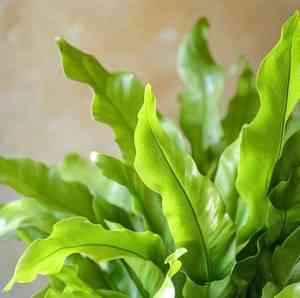
The optimal period for relocating bird's-nest fern spans from early to mid-spring or from late autumn to early winter, providing warmer ground temperatures conducive to robust development. To achieve superior outcomes, choose a spot offering filtered light and adequate moisture in the air. Gently move bird's-nest fern, paying particular heed to its root system.
What Preparations are Necessary Before Relocating Bird's-nest Fern?
What is the Optimal Period for Relocating Bird's-nest Fern?
Relocating bird's-nest fern is ideal between early spring and mid-spring, or from late autumn into early winter. These periods provide suitable environmental conditions for bird's-nest fern to establish and thrive. Transplanting during these times allows the plant's root system to settle in its new spot before intense summer heat or severe winter cold arrives. A timely transplantation enhances bird's-nest fern's potential, leading to a vigorous and flourishing plant.
How Much Space Should You Allow Between Bird's-nest Fern Plants?
For bird's-nest fern, the recommended transplant spacing is 18-24 inches (45-60 cm). This provides ample room for your plants to grow without competing for resources. Don't worry if you're unsure about exact measurements; it's roughly an arm's length apart.
What is the Best Soil Mixture for Bird's-nest Fern Relocation?
When preparing the soil for bird's-nest fern, select a well-draining blend composed of equal parts potting soil, peat moss, and perlite. To give your plant a strong start, incorporate a slow-release, all-purpose fertilizer into the soil before transplanting.
Where Should You Move Your Bird's-nest Fern?
To ensure proper development, relocate your bird's-nest fern to a spot that receives bright, indirect sunlight or dappled light. Excessive direct sunlight can cause leaf scorching, so consider placing it near a window with a sheer curtain to diffuse the light.
What Equipment Should You Prepare Before Relocating Bird's-nest Fern?
Gardening Gloves
Essential for protecting your hands while handling plants and soil.
Shovel or Spade
Useful for excavating a sufficiently large hole to accommodate the plant, especially when removing it from the ground.
Garden Pruner
Helps to trim excess leaves and tidy up the plant prior to transplantation.
Trug or Bucket
To hold the plant once it has been separated from its original location.
New Pot or Tray
If you're moving the bird's-nest fern into a container, it should be adequately sized for the plant.
How Do You Extract Bird's-nest Fern from the Soil?
How Do You Extract Bird's-nest Fern from the Soil?
From Ground: Initially, hydrate the bird's-nest fern plant, ensuring the soil is adequately moist. Dig a wide trench around it with a shovel or spade, taking care not to damage any roots. Gradually work the spade beneath the root ball to gently lift the plant.From Pot: Water the bird's-nest fern plant, then carefully tip the pot sideways, supporting the soil and plant. Attempt to gently slide the plant out by holding its base.From Seedling Tray: Water bird's-nest fern seedlings before transplanting. Grasp the seedling by its leaves, not the stem, and gently push up from the bottom of the cell until the seedling releases.
Step-by-Step Guide for Relocating Bird's-nest Fern
Identify New Location
Ensure the new spot is shaded, as bird's-nest fern does not tolerate excessive sunlight well.
Dig a Hole
The hole should be both deep and wide enough to accommodate the bird's-nest fern's root ball. Allow space for root expansion.
Transplant
Gently place the bird's-nest fern into the hole, making sure the root ball is level with the ground surface.
Fill in with Soil
Add soil around the plant and gently pat it down. Be careful not to cover the fern's crown.
Water
Once the plant is settled, water it moderately.
How Do You Care For Bird's-nest Fern After Relocation?
Watering
For the initial few weeks, ensure that bird's-nest fern is neither too dry nor too wet. This plant prefers its potting mix to remain moist, so check the soil frequently.
Trimming
Remove any dead or yellowing fronds at the base; this will help the plant direct its energy towards new growth.
Protection
Be sure to shield bird's-nest fern from direct sunlight until it is fully established in its new location.
Indoor care
If bird's-nest fern is an indoor plant, ensure it is not positioned near heating sources like radiators or vents, as these will dry out the plant. Similarly, avoid any cold drafts, which can also harm the plant.
Troubleshooting Common Issues with Bird's-nest Fern Relocation.
When is the optimal time to relocate bird's-nest fern?
Early to mid-spring or late autumn to the beginning of winter is the ideal period to transplant bird's-nest fern.
What is the perfect spacing for bird's-nest fern when relocating?
Maintain a distance of approximately 18-24 inches (45-61 cm) between bird's-nest fern plants when transplanting. This promotes optimal growth.
Why is my relocated bird's-nest fern wilting?
Wilting may be due to water stress. Ensure bird's-nest fern is watered regularly but not excessively. Adjust based on the plant's response.
My relocated bird's-nest fern isn't thriving. What could be the issue?
Poor growth might stem from insufficient light. Bird's-nest fern requires bright, but indirect light. Avoid direct sunlight as it can scorch the leaves.
What type of soil should I use when relocating bird's-nest fern?
For bird's-nest fern, a well-draining and fertile soil, ideally rich in organic matter, is best. Avoid clay or sandy soils.
How often should I water bird's-nest fern after relocating?
Initially, water bird's-nest fern thoroughly, then keep the soil consistently moist, not saturated. Bird's-nest fern prefers high humidity, so regular misting is also beneficial.
How can I tell if I'm overwatering my bird's-nest fern?
Signs of overwatering include yellowish or soggy leaves. The plant may also shed its leaves. If you observe this, reduce watering immediately.
Why are the fronds on my bird's-nest fern turning brown?
Brown fronds might indicate low humidity or insufficient watering. Try increasing humidity and maintaining consistent soil moisture.
Why has my bird's-nest fern developed yellow patches after relocating?
Yellow patches can signify sunburn. Bird's-nest fern prefers indirect light, so consider moving its location if it's in direct sunlight.
How soon can I anticipate new growth after relocating bird's-nest fern?
With optimal care, you can expect new growth from bird's-nest fern within a few weeks following transplantation.



