How to Transplant Hop sedge?
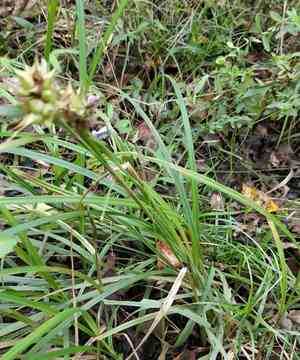
The optimal period for transplanting hop sedge is during the revitalizing phase of early to mid-spring, which guarantees robust development. Select a damp, partially shaded location. Should it be necessary, aerate the earth to encourage root expansion.
Essential Preparations Before Moving Hop Sedge?
When is the Best Time to Relocate Hop Sedge?
The optimal period for moving hop sedge is during early to mid-spring. This timing allows hop sedge to develop a robust root system prior to its active growth phase, promoting a healthier, thriving plant.
How Much Space Should Be Allotted Between Hop Sedge Plants?
When relocating hop sedge, ensure they have ample room to expand. An ideal spacing is approximately 1-2 feet (30-60 cm) apart. This enables roots to spread and the plant to flourish properly.
What is the Optimal Soil Blend for Hop Sedge Relocation?
Soil preparation is crucial for hop sedge's success. Aim for a fertile, well-draining soil. You can enhance your soil with organic compost or a balanced slow-release fertilizer, providing essential nutrients.
Where Should Your Hop Sedge Be Replanted?
Hop sedge thrives in a spot receiving partial to full sun exposure daily. If planted in a heavily shaded area, its growth may not be as vigorous. Monitor sunlight and adjust as needed.
What Tools Are Necessary Before Relocating Hop Sedge?
Gardening Gloves
To safeguard your hands while handling soil and plants.
Trowel
This small gardening tool is ideal for digging minor holes, moving seedlings, hand weeding, and mixing soil.
Spade/Shovel
Used for excavating larger holes when moving from the ground or sizable containers.
Garden Shears
For trimming any damaged roots or foliage before the relocation.
Watering Can
To provide water to the hop sedge after it has been replanted.
Wheelbarrow or Bucket
This will be utilized to transport the hop sedge from its original spot to the new one.
Mulch
Helps maintain soil moisture after the relocation.
How Do You Extract Hop Sedge from the Ground?
How Do You Extract Hop Sedge from the Ground?
From Ground: Begin by moistening the soil around the hop sedge to facilitate removal. Use a spade or shovel to dig around the plant, ensuring the root ball remains intact. Carefully lift the plant from the ground, striving not to harm the root system.From Pot: If the hop sedge is in a pot, water it first to make the root ball cohesive. Invert the pot while supporting the plant at its base. Gently pull the pot away from the root ball; if it's stuck, you might need to slide a knife along the pot's edge.From Seedling Tray: Water the seedlings initially. Then, gently lift the hop sedge from its cell by pushing up from the bottom. Avoid pulling on the stem to prevent damage.
Step-by-Step Guide for Relocating Hop Sedge
Site Preparation
Prepare your new planting spot by digging a hole two to three times the width of the hop sedge's root ball and of equal depth. This promotes easier root growth and expansion.
Plant Examination
Inspect the hop sedge for any indications of disease or damage, pruning as necessary. Be careful not to over-prune, as this could stress the plant.
Placement
Position the hop sedge in the prepared hole. Ensure the top of the root ball is level with the surrounding soil to avoid planting too deeply or shallowly.
Soil Backfilling
Refill the hole with soil, gently pressing down to eliminate any air pockets.
Watering
Thoroughly water the plant after relocation to help settle the soil around the roots.
Mulching
Apply a 2-3 inch layer of mulch around the base of the hop sedge to aid in retaining soil moisture and inhibiting weed growth.
How Do You Care For Hop Sedge After Relocation?
Watering
Ensure the soil around the hop sedge remains consistently moist, but not waterlogged, in the weeks following its move. This aids in establishing strong roots.
Mulching
Replenish the mulch layer around the hop sedge as needed; it will continue to enhance soil moisture retention and prevent unwanted weed competition.
Pruning
Remove any dead or damaged foliage to redirect the hop sedge's energy towards new growth.
Monitoring
Keep a close watch on the plant's health. Look for signs of stress such as wilting, yellowing leaves, or stunted development. If these occur, consider consulting a local nursery or extension service.
Addressing Common Issues with Hop Sedge Relocation.
When is the optimal time to move hop sedge?
The best period to relocate hop sedge is during the S1-S2 season. This helps the plant establish roots before hotter or colder periods.
How much distance should I maintain between each hop sedge during relocation?
To allow for proper growth and development, ensure that each hop sedge is spaced 1-2 feet (30.5 cm - 61 cm) apart during relocation.
What action should I take if the leaves of my relocated hop sedge begin to yellow?
Yellowing leaves often indicate overwatering. Consider reducing irrigation and confirm that drainage is adequate.
How can I ensure the survival of hop sedge after relocation?
Proper watering practices are essential. Water immediately after relocating, then regularly – typically once a week will suffice, but check soil moisture to prevent overwatering.
Can I relocate hop sedge into full sun?
Hop sedge is a plant that prefers shade. Ensure it's moved to a partially to fully shaded location to avoid leaf scorch and stress.
What kind of soil should I use for relocating hop sedge?
Hop sedge thrives in rich, moist, well-drained soil. Try a mixture of garden soil, compost, and a touch of sand for excellent results.
What should I do if my hop sedge isnât settling in well after relocation?
Examine the roots. Confirm they are healthy and not root-bound, as they may need to be gently loosened. Monitor sunlight, watering routines, and soil quality.
How deep should I plant my relocated hop sedge?
When relocating, ensure that hop sedge is planted at the same soil level as it was previously growing, neither too deep nor too shallow.
How frequently should I water hop sedge?
After relocating, water hop sedge thoroughly, then every two to three days for the initial few weeks, adjusting based on weather and soil moisture.
Is it normal for hop sedge to wilt after relocation?
Temporary wilting after relocation can occur and is often a symptom of transplant shock. Maintain consistent watering, and the plant should recover.



