How to Transplant Peacock plant?
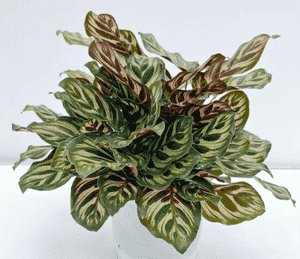
The ideal period to relocate a peacock plant is from the end of spring to the close of summer, as it benefits from abundant warmth and illumination. Select a spot offering brilliant, diffused light and soil that drains effectively. Exercise particular caution to avoid harming the root system during the transfer for a flourishing peacock plant.
What Preparations are Needed Before Transplanting Peacock Plant?
What is the Ideal Time for Transplanting Peacock Plant?
The optimal time to relocate your beautiful peacock plant is from late spring through the warm summer months. This period allows the plant to comfortably adjust to a new setting, benefiting from the ideal balance of warm, yet not harsh, outdoor temperatures. Moving peacock plant during this season will encourage robust root development, further ensuring a healthy bloom. Consider it a fresh start for your plant, paving the way for more vigorous growth and a stunning appearance. It's crucial in the pre-transplanting process to properly care for peacock plant before moving it to boost its survival chances.
How Much Space Should You Leave Between Peacock Plant Plants?
When relocating peacock plant, ensure your new plants are spaced 12-18 inches (30-46 cm) apart. This will guarantee adequate airflow and provide ample room for root expansion.
What is the Best Soil Mix for Peacock Plant Transplanting?
For peacock plant, opt for well-draining soil enriched with organic matter such as compost or aged manure. Before transplanting, incorporate some slow-release granular fertilizer into the planting hole to provide your plant with a good nutrient boost.
Where Should You Relocate Your Peacock Plant?
Find a location in your garden to transplant peacock plant where it will receive bright, indirect sunlight, as excessive direct sunlight could harm the plant. Filtered light beneath a larger plant or a shade cloth are both excellent choices!
What Equipments Should You Prepare Before Transplantation Peacock Plant?
Gardening Gloves
To safeguard your hands from soil and plant contact.
Small garden shovel or trowel
Useful for excavating a hole in the ground for the peacock plant and its root ball.
Garden Hoe or rake
To loosen the soil and eliminate any weeds or unwanted debris.
Watering Can or Hose
For hydrating the plant before and after its relocation.
Old Newspaper or Cloth
To securely wrap the root ball during plant transportation.
Organic compost
To enrich the fertility of the planting site.
Mulch
To aid in moisture retention after transplanting.
How Do You Remove Peacock Plant from the Soil?
How Do You Remove Peacock Plant from the Soil?
From Ground: Begin by watering the peacock plant to soften the soil and make it easier to work with. Using your trowel, dig a wide circle around the plant, ensuring to maintain a distance to avoid root damage. Carefully slide your trowel beneath the root ball and lift the plant from its original spot. From Pot: Water the plant and tilt the pot sideways, then gently tap the sides to ease the plant out. The moist soil will adhere to the roots, forming a cohesive root ball. From Seedling Tray: Thoroughly water the tray and gently squeeze the bottom of individual cells to push out the seedling, taking care to minimize damage or dislodgement of roots.
Step-by-Step Guide for Transplanting Peacock Plant
Site Examination
Inspect the new location for any potential issues, such as weeds, rocks, or poor drainage. Implement any necessary improvements.
Hole Preparation
Dig a hole that is twice as wide and as deep as the peacock plant's root ball.
Composting
Incorporate organic compost into the hole and mix it thoroughly with the existing soil.
Placing the Plant
Gently position your peacock plant in the hole. The top of the root ball should be level with or slightly above the surrounding soil.
Backfilling
Cover the root ball with soil, pressing gently to secure the plant and eliminate any air pockets.
Watering
Water generously immediately after transplanting. This helps to settle the soil around the root ball and aids in the plant's recovery from transplant stress.
How Do You Care For Peacock Plant After Transplanting?
Regular Watering
For the initial few weeks, ensure the soil remains consistently moist. This assists the peacock plant in establishing its roots in the new location.
Mulching
Cover the soil with mulch to keep it moist and cool, and also deter weeds.
Monitoring
Keep a close watch on the peacock plant, especially for the first few weeks. Signs of distress, such as wilting or discoloration, may indicate that the plant is not acclimating well and requires attention.
Pruning
To encourage new growth, trim any dead or yellowing leaves. But be gentle, the peacock plant is still delicate from the move.
Feeding
Once the plant becomes established (after approximately one month), apply a mild fertilizer to boost its growth.
Troubleshooting Common Issues with Peacock Plant Transplantation.
When's the ideal timeframe for transplanting peacock plant?
The perfect period for relocating peacock plant is between late spring and the end of summer.
What's the suitable spacing for peacock plant during transplantation?
For healthy growth of peacock plant, maintain a spacing of about 12-18 inches (30-45 cm) between each plant.
What pot size does peacock plant need when transplanting?
Select a pot that is 2-3 inches (5-7.5 cm) larger than the current one. This allows space for growth.
Do I need to water peacock plant immediately after transplanting?
Yes, water peacock plant directly after relocation. This will help the plant settle into its new environment.
How much sunlight does peacock plant need post-transplant?
Peacock plant thrives in indirect light. After transplant, place it in a well-lit room but away from direct sunlight.
Which type of soil suits peacock plant best during transplant?
A well-draining soil mixture is optimal. A peat-based mix maintains the correct balance of moisture and drainage for peacock plant.
Does peacock plant require any special care after transplanting?
Monitor peacock plant after transplanting. Ensure it receives proper light, water, and temperature for acclimatization.
Can I use fertilizer immediately after transplanting peacock plant?
It's advisable to wait 4-6 weeks before applying any fertilizer; allow peacock plant to adapt to its new surroundings first.
Why do the leaves of my transplanted peacock plant look sad and droopy?
Peacock plant might be experiencing transplant shock, a common plant stress. Maintain appropriate light, temperature, and watering to aid its recovery.
Is it suggested to prune peacock plant after transplanting?
Pruning isn't mandatory. However, if you observe damaged leaves, prune them to enhance the appearance and health of your peacock plant.



