How to Transplant Pygmy date palm?
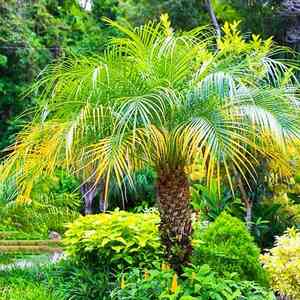
The optimal period for relocating pygmy date palm spans from early to mid-spring or from late autumn to late winter, as these colder periods facilitate root development. Replant pygmy date palm in a site with good drainage and ample sunlight to encourage peak growth. Exercise care and provide adequate support throughout the moving procedure to ensure a successful transfer.
What Preparations are Needed Before Transplanting Pygmy Date Palm?
What is the Ideal Time for Transplanting Pygmy Date Palm?
Relocating our cherished pygmy date palm is most favorable from early spring to mid-spring or from late autumn to the close of winter. The primary advantage of these periods is the cooler temperatures, which reduce plant stress, promoting optimal root growth and overall development for pygmy date palm.
How Much Space Should You Leave Between Pygmy Date Palm Plants?
For transplanting pygmy date palm, it's best to provide ample room for growth - ideally, about 6-10 ft (1.8-3 m) apart. This ensures sufficient space for them to spread and mature correctly.
What is the Best Soil Mix for Pygmy Date Palm Transplanting?
When preparing the soil for pygmy date palm, utilize a well-draining soil blend with a slightly acidic to neutral pH (6.0-7.0), such as peat moss or topsoil. Incorporate a balanced slow-release fertilizer into the soil to supply nutrients for the plant's development.
Where Should You Relocate Your Pygmy Date Palm?
For optimal growth of pygmy date palm, select a site that receives at least 6 hours of sunlight daily. It thrives in full sun to partial shade. Ensure the area is shielded from strong winds, as pygmy date palm can be susceptible to wind damage.
What Equipments Should You Prepare Before Transplantation Pygmy Date Palm?
Gardening Gloves
To safeguard your hands while handling soil and pygmy date palm.
Shovel or Spade
For digging the planting hole and extracting the plant from its original spot.
Wheelbarrow
To move the plant and soil mix without causing harm.
Soil Mix
To enrich the native soil with the necessary nutrients and drainage for pygmy date palm.
Mulch
To maintain soil moisture and regulate temperature.
Watering Can or Hose
To irrigate the pygmy date palm plant following transplantation.
Root Pruning Shears
To trim damaged or overgrown roots during the transplanting process.
Stakes and Twine
To offer support and stability to the pygmy date palm if required.
How Do You Remove Pygmy Date Palm from the Soil?
How Do You Remove Pygmy Date Palm from the Soil?
From Ground: First, water the pygmy date palm plant to moisten the soil. Then, excavate a wide trench around the plant using a shovel or spade, ensuring the plant's root ball remains intact. Carefully work the spade beneath the root ball to lift the plant from its initial location.From Pot: Gently lay the container on its side and tap the edges to loosen the soil and roots. Slowly slide the plant out of the pot, taking care not to harm the roots.From Seedling Tray: Water the seedlings in the tray to dampen the soil. Position your fingers around the base of the pygmy date palm plant and carefully lift the seedling from the tray. Hold the seedling by its leaves, not the stem.
Step-by-Step Guide for Transplanting Pygmy Date Palm
Site Selection
Choose a location with adequate sunlight and room for your pygmy date palm to reach its mature size.
Digging
Excavate a hole twice as wide and slightly deeper than the root ball of the pygmy date palm plant using a shovel or spade.
Soil Amendment
Combine the freshly dug soil with a soil mix rich in organic matter to supply the appropriate nutrients for pygmy date palm.
Placing the Plant
Position the pygmy date palm in the hole, ensuring the top of the root ball is level with the ground. Gently spread the roots without causing damage.
Backfilling
Fill the hole with the amended soil, gently compacting it around the pygmy date palm to eliminate air pockets.
Watering
Thoroughly and slowly water the transplanted pygmy date palm to ensure moisture reaches the root zone.
Mulching
Apply a layer of mulch around the pygmy date palm plant to retain moisture, regulate temperature, and suppress weed growth.
Staking (if needed)
If the pygmy date palm requires additional support, secure it with stakes and twine, ensuring the ties are not too tight and allow some flexibility.
How Do You Care For Pygmy Date Palm After Transplanting?
Watering
Keep the soil around the pygmy date palm consistently moist, but not waterlogged, for the initial weeks after transplanting to aid in strong root establishment.
Fertilizing
Wait several weeks before applying slow-release fertilizer to the pygmy date palm to prevent root burn or stress on the plant.
Pruning
To maintain the pygmy date palm's shape and size, trim dead fronds as necessary. Avoid removing green or upright fronds as they provide vital energy to the plant.
Monitoring
Observe the pygmy date palm for any indications of nutrient deficiency, pests, or diseases, and address them promptly.
Support
Remove the stakes and twine once the pygmy date palm has developed a robust root system and can stand independently without assistance.
Troubleshooting Common Issues with Pygmy Date Palm Transplantation.
What's the ideal period to transplant pygmy date palm?
The optimal time to transplant pygmy date palm extends from early to mid-spring and late fall to the core of winter.
How much spacing is required for pygmy date palm to thrive best?
For pygmy date palm to flourish properly, ensure they are spaced approximately 6-10 ft (1.8-3m) apart.
How do I prepare the soil before transplanting pygmy date palm?
Thoroughly loosen the soil by tilling. Enrich it with compost or well-rotted manure to ensure it's sufficiently healthy for pygmy date palm.
What should the pot size be when transplanting pygmy date palm?
Select a pot that is large enough to comfortably accommodate pygmy date palm's root ball. A 10 inches (25 cm) diameter pot should be suitable.
What is the proper depth for planting pygmy date palm?
Pygmy date palm should be planted at the same depth it was growing previously. Ensure the uppermost roots are at surface level.
What care should be taken when removing pygmy date palm from the previous location?
Be gentle when extracting pygmy date palm, avoid breaking the roots. Keep as much soil around the roots as possible during the transfer.
How much should I water pygmy date palm after transplanting?
Thoroughly water pygmy date palm immediately after transplanting, ensuring the soil is completely saturated. Then maintain moderate watering as pygmy date palm establishes.
What's the best location to transplant pygmy date palm?
Pygmy date palm prefers a sunny or semi-shady location. Ensure the chosen site also provides protection from winds.
Can I fertilize pygmy date palm immediately after transplanting?
Refrain from fertilizing pygmy date palm immediately after transplanting. Allow it to establish first, then begin with a balanced, slow-release fertilizer.
Should I prune pygmy date palm during the transplanting process?
Only prune pygmy date palm if necessary to remove dead or damaged fronds. Healthy fronds help pygmy date palm establish quickly after transplanting.



