How to Transplant Arrowhead plant?
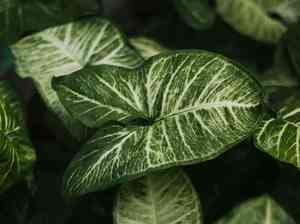
The optimal period for relocating arrowhead plant is from mid to late spring, or conversely, mid to late autumn. Placing arrowhead plant in a brightly lit, sheltered spot with soil that drains effectively will result in a successful relocation. Bear in mind, delicate handling is crucial when working with arrowhead plant.
What Preparations are Needed Before Transplanting Arrowhead Plant?
What is the Ideal Time for Transplanting Arrowhead Plant?
The optimal period to relocate arrowhead plant is from mid to late spring or mid to late autumn, allowing it to establish robust roots prior to extreme temperatures. Moving it during these times promotes prime growth and a flourishing, healthy plant.
How Much Space Should You Leave Between Arrowhead Plant Plants?
To provide your arrowhead plant ample room for development, aim for a separation of 1-2 feet (30-60 cm) between individual plants. This ensures sufficient area for proper root expansion and air circulation.
What is the Best Soil Mix for Arrowhead Plant Transplanting?
For arrowhead plant, a well-draining substrate with peat moss or coco coir as its foundation is perfect. Incorporate perlite or vermiculite for enhanced aeration. A slow-release fertilizer will supply the necessary nutrients for the plant to thrive.
Where Should You Relocate Your Arrowhead Plant?
Select a spot for your arrowhead plant that receives ample, indirect illumination. Steer clear of direct sun exposure, as this can scorch the foliage. Partial shade is also suitable and can enhance leaf coloration.
What Equipments Should You Prepare Before Transplantation Arrowhead Plant?
Gardening Gloves
To safeguard your hands while handling soil and plants.
Shovel or Spade
For digging holes and lifting the plant.
Measuring Tape
To accurately determine plant spacing during relocation.
Watering Can or Hose
To hydrate the plant before and after its move.
Garden Fork or Trowel
To loosen soil or remove unwanted vegetation around the new planting site.
Pruning Shears
To trim any damaged roots or leaves.
Stakes and Garden Twine
To offer support to the plant if required.
Organic Mulch
To aid in moisture retention and inhibit weed growth around the plant.
How Do You Remove Arrowhead Plant from the Soil?
How Do You Remove Arrowhead Plant from the Soil?
- From Ground:First, moisten the arrowhead plant's soil by watering. Next, excavate a wide trench around the plant using a shovel or spade, ensuring the root ball remains intact. Carefully work the spade beneath the root ball to extract the plant from its original spot.- From Pot:Hydrate the arrowhead plant in its container to moisten the soil. Place a hand over the soil with the plant stem between your fingers, then invert the pot and gently tap the base to loosen it. Slowly slide the pot off, keeping the root ball undisturbed.- From Seedling Tray:Utilize a garden fork or small trowel to carefully lift the seedlings from the tray, making sure to retain as much soil around the roots as possible. Handle the seedlings by the base of their stems, as their roots are delicate.
Step-by-Step Guide for Transplanting Arrowhead Plant
Preparation
Prepare the new planting location by clearing any weeds and debris. Loosen the soil with a fork or trowel to a depth of at least 12 inches to encourage root development.
Digging the Hole
Use a shovel or spade to create a hole as deep and twice as wide as the arrowhead plant's root ball.
Preparing the Plant
Gently remove any dead or damaged leaves and roots from the arrowhead plant. Prepare the plant by carefully spreading its roots and untangling any circling ones.
Placing the Plant
Position the arrowhead plant in the center of the hole, ensuring the top of the root ball is level with the surrounding ground. Adjust the hole's depth if necessary.
Filling the Hole
Backfill the hole with soil and gently firm it with your hands to eliminate air pockets. Water the plant thoroughly to settle the soil around its roots.
Mulching
Apply a 2-3 inch layer of organic mulch around the plant to conserve moisture, regulate soil temperature, and prevent weed growth. Avoid piling mulch against the stem to prevent rot.
Staking (if needed)
If the arrowhead plant requires support, insert stakes into the ground and secure the plant using garden twine. Ensure stakes do not harm roots and twine is not too tight around the stem.
How Do You Care For Arrowhead Plant After Transplanting?
Watering
Keep the soil around the arrowhead plant consistently moist, but not waterlogged, for the initial weeks post-transplant to aid in root establishment.
Pruning
Remove any dead or damaged leaves and stems to stimulate new growth.
Monitoring
Observe the arrowhead plant for indications of stress, such as wilting or leaf drop. Address any issues promptly to assist the plant's recovery.
Pest and Disease Management
Regularly inspect the plant for pests and diseases. Employ organic or chemical controls as needed to maintain plant health.
Fertilizing
Delay applying fertilizer to the arrowhead plant for a few weeks to allow its roots to become established in their new environment.
Troubleshooting Common Issues with Arrowhead Plant Transplantation.
When is the best time to transplant arrowhead plant?
The optimal season for relocating arrowhead plant is mid to late spring and mid to late fall, ensuring robust development.
What spacing should I maintain between arrowhead plant plants?
Provide arrowhead plant plants with a separation of 1-2 feet (30-60 cm) to guarantee ample room for growth and air circulation.
How do I prepare the soil for transplanting arrowhead plant?
Select well-drained soil and enrich it with organic matter or compost. This creates a healthy environment for arrowhead plant.
What is the best pot size for transplanting arrowhead plant?
Choose a container that is 2 inches (5 cm) larger in diameter than its current one. This provides space for expansion.
Do I need to prune arrowhead plant before transplanting?
Remove any unhealthy or damaged foliage and trim lengthy roots to encourage new growth after relocation.
How much water should I provide during transplanting?
Thoroughly water arrowhead plant before and after its move. Moisten the soil, but avoid overwatering, to prevent root rot.
Should I use a rooting medium when transplanting arrowhead plant?
While not essential, employing a rooting medium can help foster healthy root development after relocating arrowhead plant.
How much sunlight does arrowhead plant need after transplanting?
Position arrowhead plant in a spot with bright, indirect light. Excessive direct sunlight can lead to leaf scorching.
How should I handle arrowhead plant during transplanting?
Gently lift arrowhead plant by its base, avoiding damage to stems and roots. Keep the rootball intact and secure.
When can I expect new growth after transplanting arrowhead plant?
Allow arrowhead plant a few weeks to acclimate to its new location. New growth typically appears within 4-6 weeks.



