How Often Should You Water Your Oyster plant?
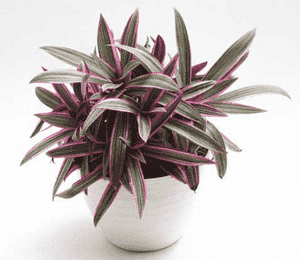
1
The oyster plant flourishes with consistently damp soil. Allowing the soil to become somewhat dry before rewatering helps avoid root decay.
2
Hydrate your oyster plant weekly, though in warmer periods, increased watering might be necessary.
3
Should your oyster plant's foliage begin to yellow, it could indicate either excessive or insufficient watering.
Understanding the Hydration Requirements of Oyster Plant
Elements Influencing Water Needs
The hydration demands of your Oyster plant can fluctuate based on various elements. Environmental factors play a crucial role â temperature, humidity, and light intensity all impact how rapidly the soil dries. Furthermore, the plant's developmental stage affects its water usage. Newer, more extensive growth demands more water to support its expansion. Container size and substrate type are other vital considerations; smaller pots tend to dry out quicker than larger ones, and well-draining soil retains moisture differently than dense clay.
Indicators of Excessive and Insufficient Watering
Recognizing the signs of overwatering and underwatering is crucial for maintaining a thriving Oyster plant. Excessive watering can lead to root decay, evidenced by yellowing foliage, a soft stem, and an unpleasant smell from the soil. Conversely, insufficient watering may cause leaves to curl, become brittle at the edges, and eventually turn brown. By closely observing alterations in leaf texture and color, you can better adjust your watering regimen to suit the plant's requirements.
Optimal Practices for Hydrating Your Oyster Plant
How to Ascertain When to Hydrate
Determining when to hydrate your Oyster plant largely depends on assessing and feeling the soil's moisture level. The best approach is to inspect the top inch (2.5 cm) of the soil; if it feels arid, it's time to water. Additionally, employing a moisture meter can offer a more precise evaluation. Observing the plant itself can also be helpful; if you notice slight drooping, it signals that the plant might need more water. As a general guideline, aim to water your Oyster plant weekly, adjusting based on the plant's specific cues and environment.
Methods for Correct Hydration
Proper watering techniques ensure your Oyster plant receives adequate moisture without the risks of overwatering. Utilize a watering can with a fine spout to gently saturate the soil until water drains from the pot's base. Avoid allowing the plant to sit in standing water, which can lead to root problems. Instead, empty the saucer beneath the pot after watering. During irrigation, ensure the soil is uniformly moist, reaching all parts of the root system. Consistently water early in the day to allow excess moisture to evaporate, reducing the risk of fungal diseases.
Seasonal Adjustments for Oyster Plant Hydration
Hydrating in Warm and Arid Conditions
In warm and arid conditions, the Oyster plant may necessitate more frequent hydration to prevent desiccation. High temperatures and increased sunlight accelerate soil evaporation and plant transpiration. Check the soil twice weekly during these periods and water as needed to keep it moist but not waterlogged. Maintain a higher humidity level around the plant by misting regularly or using a humidity tray.
Hydrating During Colder Months
During colder months, the Oyster plant enters a slower growth phase, requiring less frequent hydration. Overwatering in such conditions can lead to root rot due to reduced evaporation and transpiration. Hydrate the plant only when the top inch (2.5 cm) of soil feels dry, which might be every 10-14 days. Ensure the plant is not exposed to cold drafts or sudden temperature shifts, as these can stress the plant, affecting its ability to absorb water efficiently.



