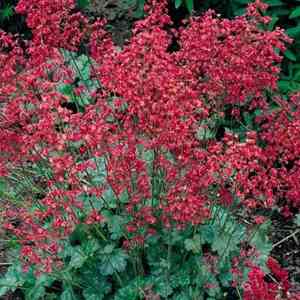
Coral bells (Heuchera sanguinea)
Also known as: Coral Bells, Alumroot
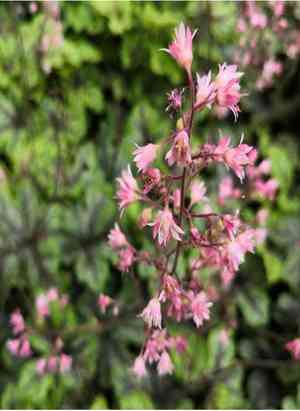
Coral bells (Heuchera sanguinea) are herbaceous perennials that typically reach heights of 30 to 46 cm. They produce vibrant bell-shaped flowers ranging from deep red to pink, which bloom from spring through early summer and attract hummingbirds. These plants flourish in partial to full shade but can tolerate full sun in cooler regions. They prefer consistently moist, well-draining soil. Ideal as ground cover, coral bells can also remain evergreen in milder climates. Regular watering and avoiding waterlogged conditions are essential for their growth.
In This Article
Plant Comprehensive Care Guide: Beginner's Introduction and Key Details
Perfect for beginners starting their plant care journey
→
10 Secrets to Making Coral bells Grow Faster (A Must-Read for Beginners)
Advanced tips to accelerate your plant's growth
→
Care "Black Tech": 10 Little-Known Highly Effective Maintenance Tips
Expert-level techniques for optimal plant care
→
Attributes of Coral bells
Lifespan
Perennial
Plant Type
Herb
Plant Height
25 cm to 35 cm
Spread
23 cm to 30 cm
Leaf Color
Green
Flower Size
1.2 mm to 1.8 mm
Flower Color
Red Pink White
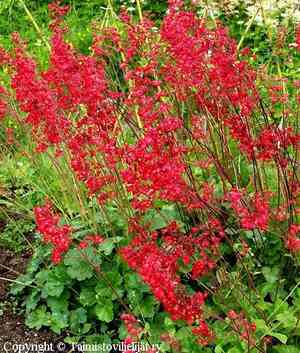
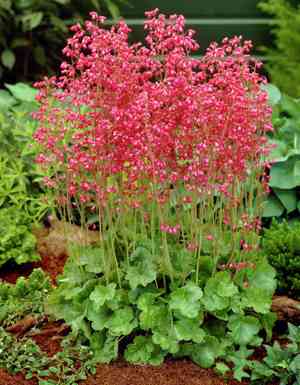
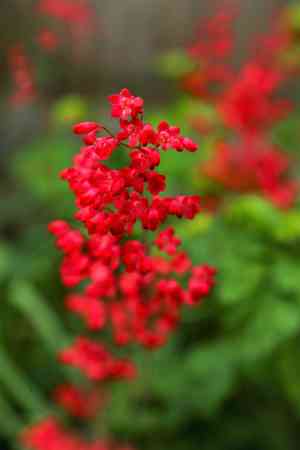
Images of Coral bells
Quickly Identify Coral bells
1
Acaulescent plant lacking a stem, with kidney-shaped basal leaves on long petioles.
2
Slender scapes rising over 18 inches (45 cm) with bell-shaped, colorful flowers.
3
Bright red to white bell-shaped flowers on racemose panicle, red bracts present.
4
Reniform to orbicular leaves with palmate veins, 5-7 pointed lobes at base.
5
Leaves measure 1-2 inches (2.5-5 cm) in breadth, toothed margin, glandular-pubescent petioles.
Scientific Classification of Coral bells
Phylum
Vascular plants
Class
Dicotyledons
Order
Saxifrages, stonecrops and allies
Family
Saxifrage
Genus
Alumroots
Species
Coral bells
Planting and Growing of Coral bells
Care Difficulty
Easy
Watering Schedule
Every 4 days
Sunlight Requirements
Partial sun
Sunshine Duration
6-10 hours
Ideal Temperature
60-75℉
Soil Type
Potting Mix, Peat Mix
Soil pH
6-8
Fertilizer Type
Balanced
Pruning Season
Spring, Summer
Pruning Area
Branches, Leaves
Pruning Frequency
2 times a year
Repotting Season
Spring
Pot Type
Plastic, Ceramic
 How to Water Coral bells?
Heuchera sanguinea thrives when its soil is kept consistently moist but not waterlogged. Water it thoroughly until the water drains out the bottom of the pot; this usually requires about 250 ml for a medium-sized plant. Ensure that the top inch of soil dries out between waterings to prevent root rot.
More About Watering Techniques→
What are the symptoms of an underwatered Coral bells?
›
What should I do if my Coral bells is not getting enough water?
›
What are the symptoms of an overwatered Coral bells?
›
How to save an overwatered Coral bells?
›
 What Are the Sunlight Requirements for Coral bells?
Heuchera sanguinea flourishes in partial sun, where it gets 2 to 6 hours of filtered sunlight daily. Ideal light enhances foliage color and promotes healthy blooming patterns, vital for its ornamental purpose.
More About Sunlight Requirements Techniques→
Location for Optimal Growth
›
Managing Seasonal Light Changes
›
Adjusting Indoor Light Conditions
›
 What Is the Ideal Temperature Range for Coral bells?
Heuchera sanguinea thrives best in temperatures between 60°F to 75°F. This range supports optimal photosynthesis and metabolic activities, leading to vibrant foliage color and robust flowering. Ensuring the plant remains within this range helps in maintaining its perennial health.
 What Soil is Best for Coral bells?
Heuchera sanguinea thrives best in well-drained soil that prevents waterlogging. This type of soil ensures that roots receive adequate oxygen and protect them from rot, contributing to vibrant foliage and long-lasting blooms. A nutrient-rich soil fortified with organic matter like compost can enhance the plant's growth rate and flowering capacity. This added fertility supports robust stem formation and lush, colorful leaves. The ability to retain moderate moisture without becoming soggy is crucial. Such soil maintains a balance between dryness and wetness, ensuring consistent access to water and helping prevent drought stress.
More About Soil→
 How to Fertilize Coral bells?
For Heuchera sanguinea, use a balanced 10-10-10 liquid fertilizer diluted to half strength. Apply about 2 tablespoons per gallon of water and ensure the soil is moist before application to avoid root burn.
More About Fertilizing Techniques→
 How to Prune Coral bells?
Begin by inspecting the plant for any dead or damaged leaves. Use sharp, clean scissors to cut them off at the base. Next, remove spent flower stems, cutting them as close to the ground as possible without damaging new growth. This encourages the plant to focus its energy on new blossoms and foliage. Regular trimming of overcrowded or leggy stems helps maintain the plant’s compact appearance and improves air circulation. Prune Heuchera sanguinea during the growing seasons of spring and summer, with an optional touch-up in autumn. Ensure that pruning in autumn is light to prevent vulnerable cuts going into winter. Avoid heavy pruning in winter as it can stress the plant and hinder growth in the following spring.
More About Pruning Techniques→
 How to Propagate Coral bells plant?
1
Heuchera sanguinea seeds should be surface sown on a fine compost and kept in light to germinate. The seeds need light to trigger germination, so do not cover them with soil.
2
Select a mature plant and dig around it to lift the crown. Use your hands or a sharp tool to split the root ball into separate divisions, each with several shoots and part of the root system.
3
Replant the divisions in pots or directly in the ground, leaving enough space for each to grow. Ensure the plants are at the same soil depth as they were originally.
 How to Repot Coral bells plant?
1
Look for signs such as roots poking out from the drainage holes, or the plant beginning to lift out of the soil. Additionally, if the soil dries out very quickly after watering or the plant appears stunted despite proper care, it may be time to repot.
2
Select a pot that is one or two sizes larger than the current one. Ensure it has adequate drainage holes to prevent waterlogging. A slightly larger pot provides enough space for root expansion without risking overwatering, which could harm the plant's health.
3
Opt for a well-draining, organic-rich soil mix. A mix designed for perennials works well, ideally with components like peat and perlite. This soil type maintains moisture balance, promoting healthy root development while preventing root rot.



