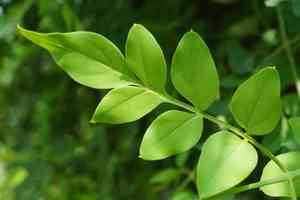
Pink jasmine (Jasminum polyanthum)
Also known as: White jasmine
Pink jasmine (Jasminum polyanthum) originates from China and Myanmar and is a vigorous twining climber. It's popular in gardens due to its fragrant, star-shaped white flowers with a pink hue. However, in New Zealand and Australia, pink jasmine is regarded as invasive, as it can outcompete native plants and disrupt local ecosystems.
In This Article
Plant Comprehensive Care Guide: Beginner's Introduction and Key Details
Perfect for beginners starting their plant care journey
→
10 Secrets to Making Pink jasmine Grow Faster (A Must-Read for Beginners)
Advanced tips to accelerate your plant's growth
→
Care "Black Tech": 10 Little-Known Highly Effective Maintenance Tips
Expert-level techniques for optimal plant care
→
Attributes of Pink jasmine
Lifespan
Perennial
Plant Type
Vine, Herb
Plant Height
1 m to 10 m
Spread
90 cm to 1.5 m
Leaf Color
Green
Flower Size
2 cm
Flower Color
White Pink
Images of Pink jasmine

Quickly Identify Pink jasmine
1
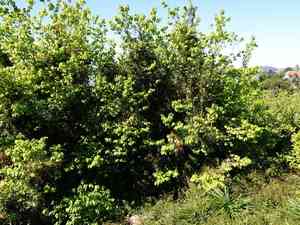
Vigorous evergreen vine reaching up to 25 feet (7.6 meters).
2
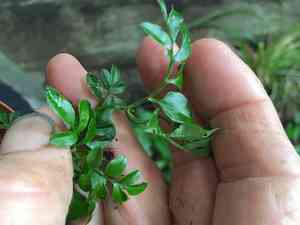
Pinnately compound leaves with 2-3 pairs of dark green leaflets and a larger terminal leaflet.
3
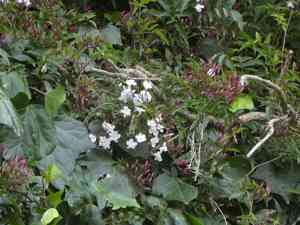
Clusters of intensely fragrant flowers with white and pink 1-inch wide blooms.
4
Profuse flowering mainly from late winter through spring and summer.
Scientific Classification of Pink jasmine
Phylum
Vascular plants
Class
Dicotyledons
Order
Lamiales
Family
Olive
Genus
Jasmine
Species
Pink jasmine
Planting and Growing of Pink jasmine
Care Difficulty
Easy
Watering Schedule
Every 4 days
Sunlight Requirements
Full sun
Sunshine Duration
6-10 hours
Ideal Temperature
60-75℉
Soil Type
Potting Mix, Peat Mix
Soil pH
6.5-7.5
Fertilizer Type
Balanced
Pruning Season
Spring, Summer
Pruning Area
Branches, Leaves
Pruning Frequency
2 times a year
Repotting Season
Spring
Pot Type
Plastic, Ceramic
 How to Water Pink jasmine?
Jasminum polyanthum prefers soil that is consistently moist but not soggy. When watering, aim to provide around 250 milliliters of water per session. This amount typically ensures the water reaches the root system without causing excess in the pot. Always evaluate the soil condition; if dry on touch at the top 1-2 inches, it's a signal to water.
More About Watering Techniques→
What are the symptoms of an underwatered Pink jasmine?
›
What should I do if my Pink jasmine is not getting enough water?
›
What are the symptoms of an overwatered Pink jasmine?
›
How to save an overwatered Pink jasmine?
›
 What Are the Sunlight Requirements for Pink jasmine?
Partial to full sun exposure is crucial for Jasminum polyanthum. The right blend of sunlight ensures blooming, lush foliage, and vibrant colors, reflecting a balance that mirrors its natural growing conditions.
More About Sunlight Requirements Techniques→
What are the ideal lighting conditions for Jasminum polyanthum?
›
How can I achieve ideal lighting for Pink Jasmine?
›
What benefits does ideal lighting provide to Pink Jasmine?
›
 What Is the Ideal Temperature Range for Pink jasmine?
The ideal temperature range for Jasminum polyanthum, also known as pink jasmine, is between 60°F and 75°F. Maintaining the temperature within this range ensures healthy growth and optimal blooming. This range emulates the plant’s natural habitat, providing warmth without extreme heat that could potentially damage the plant’s tissues. By staying within these temperatures, the plant absorbs nutrients effectively, promoting vibrant foliage and ample flowering.
 What Soil is Best for Pink jasmine?
Jasminum polyanthum thrives best in well-drained soil, which prevents root rot and allows for proper nutrient uptake. This requirement ensures that water doesn't clog around the roots, promoting healthy growth and vibrant blooms. Rich soil enriched with organic matter is excellent for this jasmine variety, providing essential nutrients for robust flowering. The organic matter also enhances the soil's water retention properties, ensuring consistent moisture without waterlogging. Although the soil must be well-drained, it should retain enough moisture to sustain the plant between waterings. This balance helps in reducing plant stress and supports continuous growth and flowering cycles.
More About Soil→
 How to Fertilize Pink jasmine?
For Jasminum polyanthum, applying liquid fertilizer at half the recommended strength is adequate. When using slow-release pellets, a small handful is usually enough for a medium-sized plant. Ensure fertilizers are well-diluted before application to prevent root burn.
More About Fertilizing Techniques→
 How to Prune Pink jasmine?
Begin by examining your Jasminum polyanthum for any dead, damaged, or diseased branches, and remove them using clean, sharp pruning shears. Focus on cutting back any overly long or tangled vines to neat the plant's shape, taking care to make cuts near node points or healthy lateral branches. Aim to open up the center of the vine for better air circulation. Regularly remove spent flowers throughout the growing season to encourage continuous blooming.
More About Pruning Techniques→
 How to Propagate Pink jasmine plant?
1
Choose healthy stems and cut a section about 4-6 inches long, ensuring there are at least two to three nodes. Remove any leaves from the lower part to avoid rot when placed in soil.
2
Use a well-draining potting mix or a mix of perlite and peat. Moisten the soil lightly to help the cutting establish roots but avoid water-logging that could cause rot.
3
Dip the cutting ends in rooting hormone before planting them about 1-2 inches deep in the prepared soil. Cover them with a plastic bag to retain humidity and place them in indirect light.
 How to Repot Pink jasmine plant?
1
Jasminum polyanthum typically needs repotting when its roots begin to circle the pot or emerge from drainage holes. Another good indicator is slowed growth despite proper care. Repotting should occur during the growing seasons—spring or summer—for the plant to quickly adapt to its new environment.
2
Select a pot one to two sizes larger than the current container. Ensure it has proper drainage holes to prevent waterlogging, which can lead to root rot. A slightly spacious pot supports growth and provides room for the roots to expand comfortably, ensuring vigorous plant growth and flowering.
3
Use a well-draining potting mix enriched with organic matter. The mix should retain some moisture but not become waterlogged. This type of soil ensures that the roots receive adequate oxygen and prevents water accumulation that could cause rot, fostering healthier growth and abundant blooms.
Toxicity
Ingestion
WARNING
The judgment on toxicity and danger is for reference only. We DO NOT GUARANTEE any accuracy of such judgment. Therefore, you SHALL NOT rely on such judgment. It is IMPORTANT TO SEEK PROFESSIONAL ADVICE in advance when necessary.



