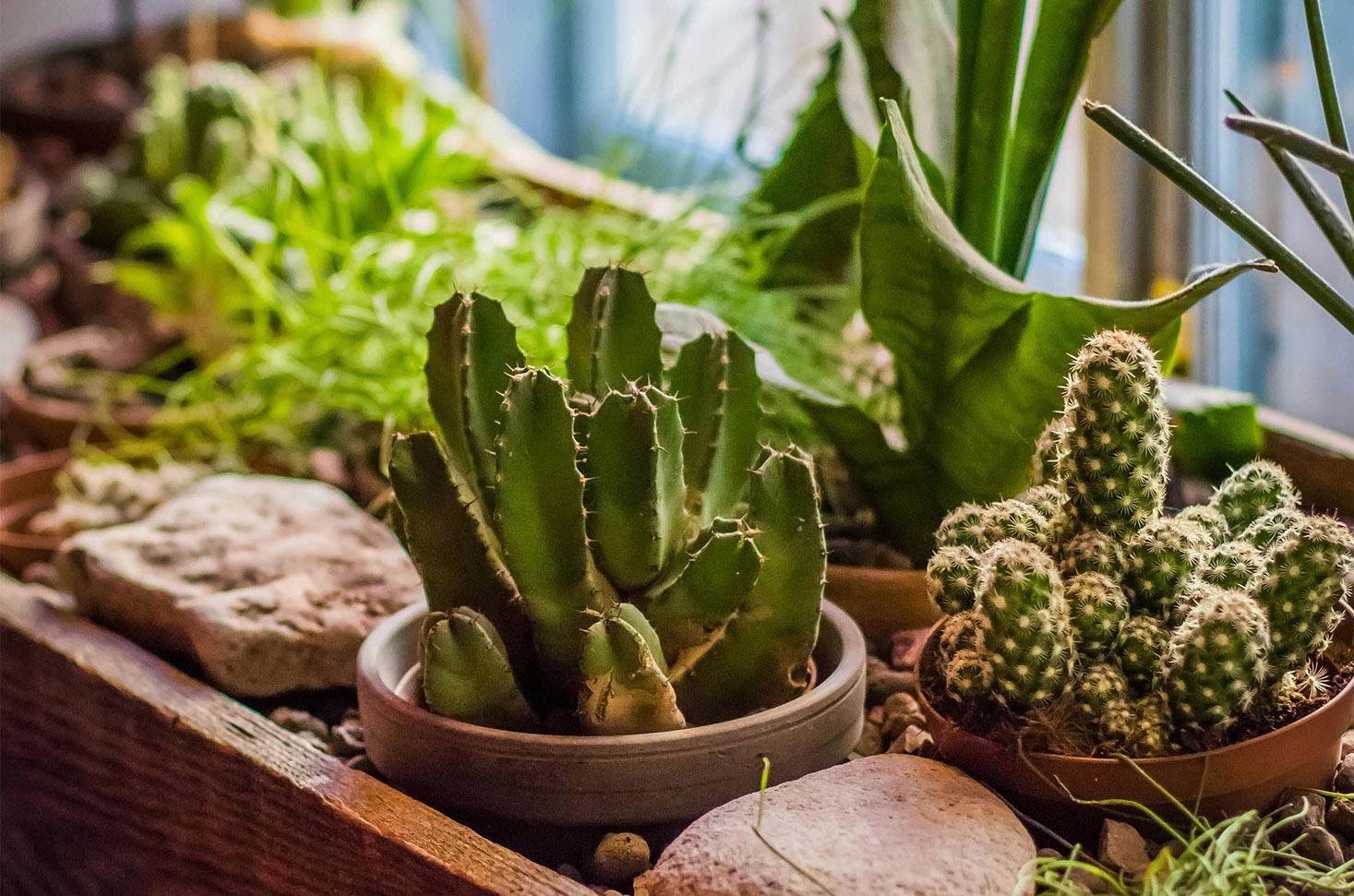
Do Succulents and Cacti Need Zero Fertilizer in Winter?
In winter, most succulents and cacti enter a natural dormancy period. Fertilizing during this time usually does more harm than good. But “no fertilizer” doesn’t mean “no care” — the key is understanding how they grow under low temperatures and limited light.
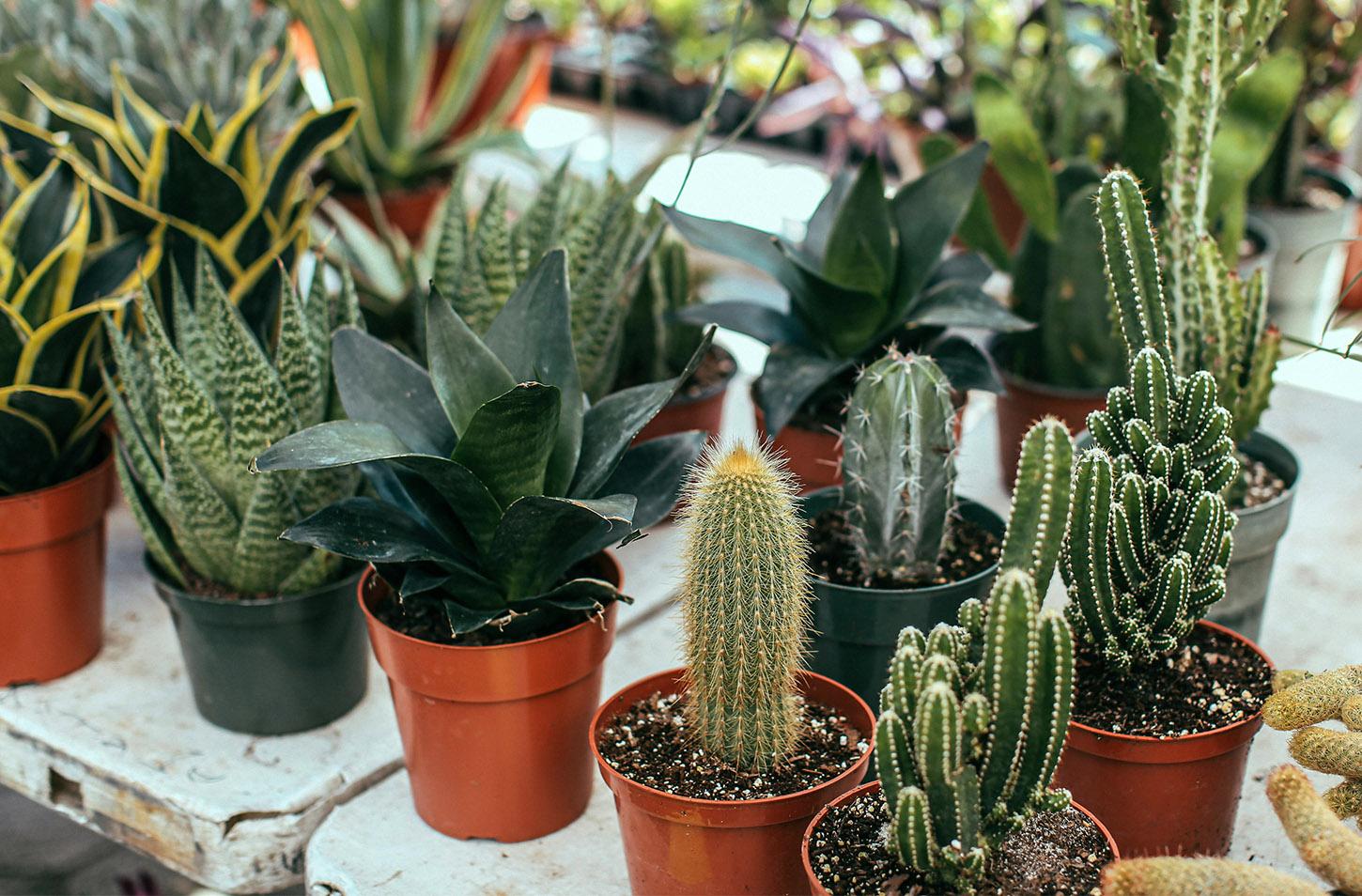
Why You Need to Change Fertilizing Habits in Winter
As a plant care expert, I often remind users that succulents and cacti behave very differently in winter. In most regions of the U.S., indoor temperatures drop and daylight hours become shorter — plants naturally “slow down.”
This slowdown means:
- Nutrient absorption decreases
- Fertilizer salts accumulate more easily
- Roots become more sensitive to moisture
- Growth nearly stops
Fertilizing during this period can easily burn roots, trigger edema, or even lead to rot — many of the winter problems I see with succulents come from this.
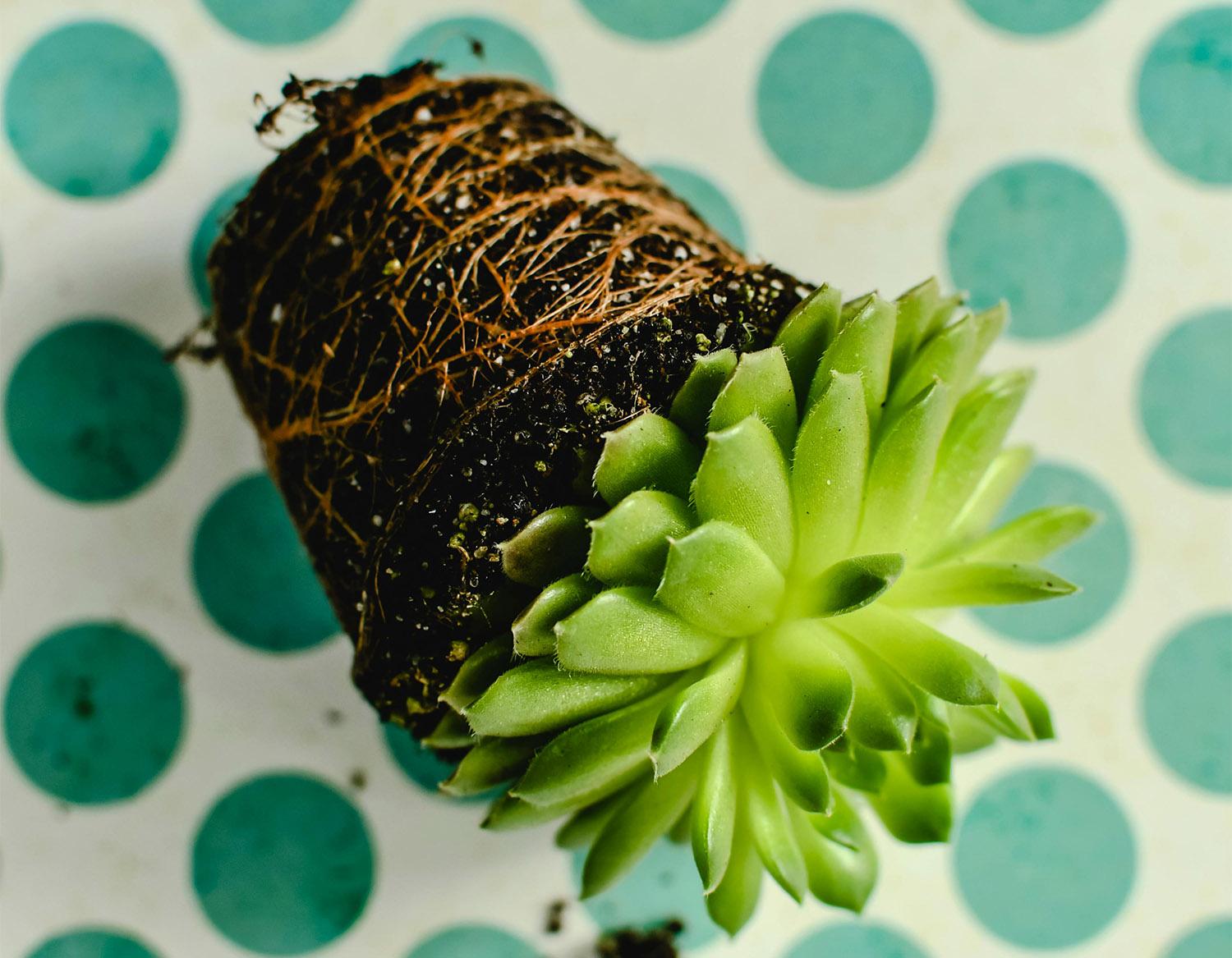
So, Should You Completely Stop Fertilizing in Winter?
Yes. Most succulents and cacti should completely pause fertilizer in winter.
If your plant shows the following:
- No new growth
- Stable but inactive condition
- Lower indoor temperatures
- Limited sunlight
Then it has basically entered dormancy. Fertilizer won’t help — it only increases root stress.
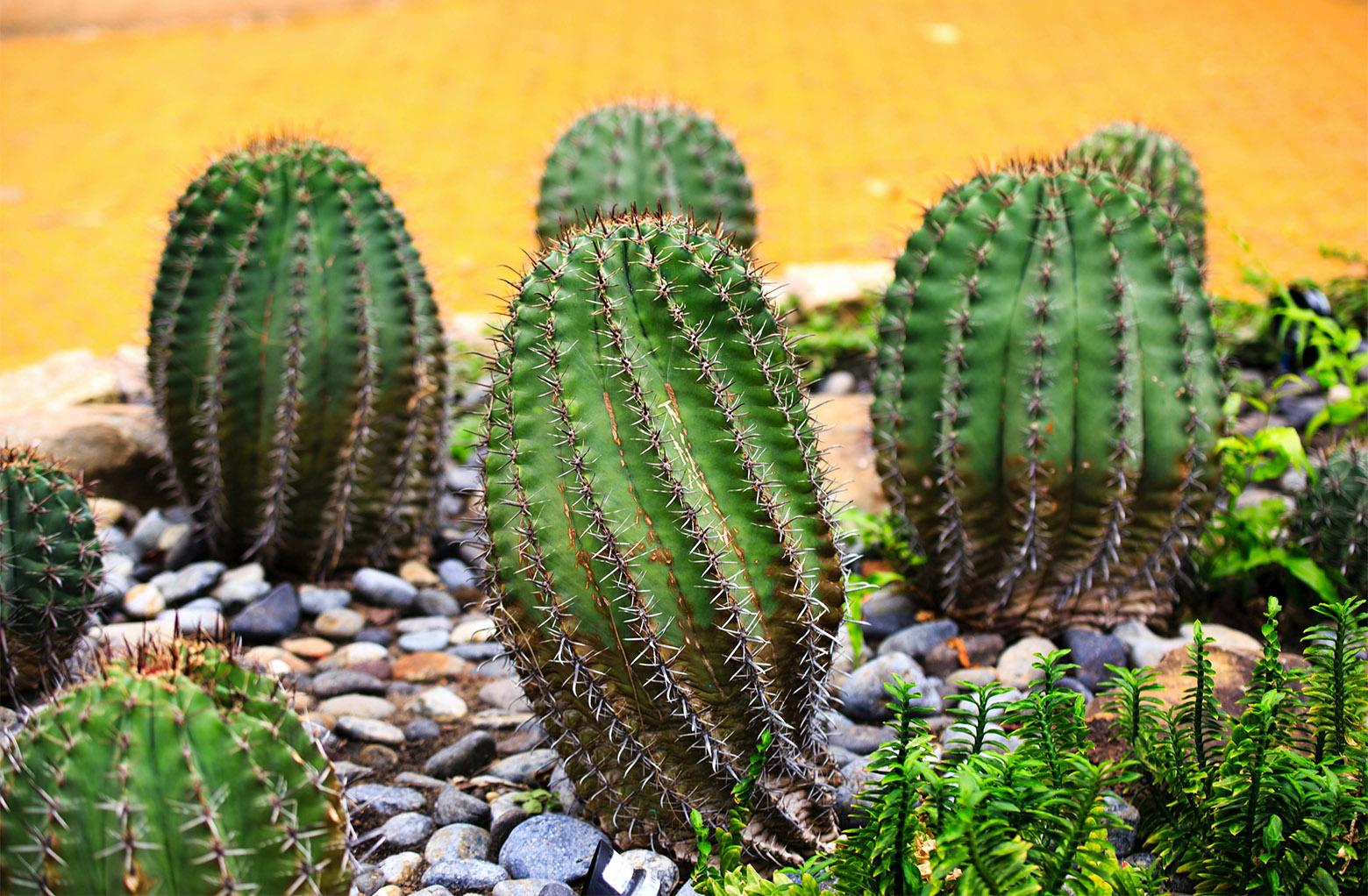
But There Are Exceptions
Some species may stay slightly active in winter, especially if they are grown in:
- Warm indoor temperatures (70–75°F / 21–24°C)
- Under grow lights
- Southern U.S. climates (California, Florida, Texas)
- Subtropical or tropical regions
Under these conditions, if you can clearly see new growth, you may use ¼-strength diluted fertilizer once every 6–8 weeks.
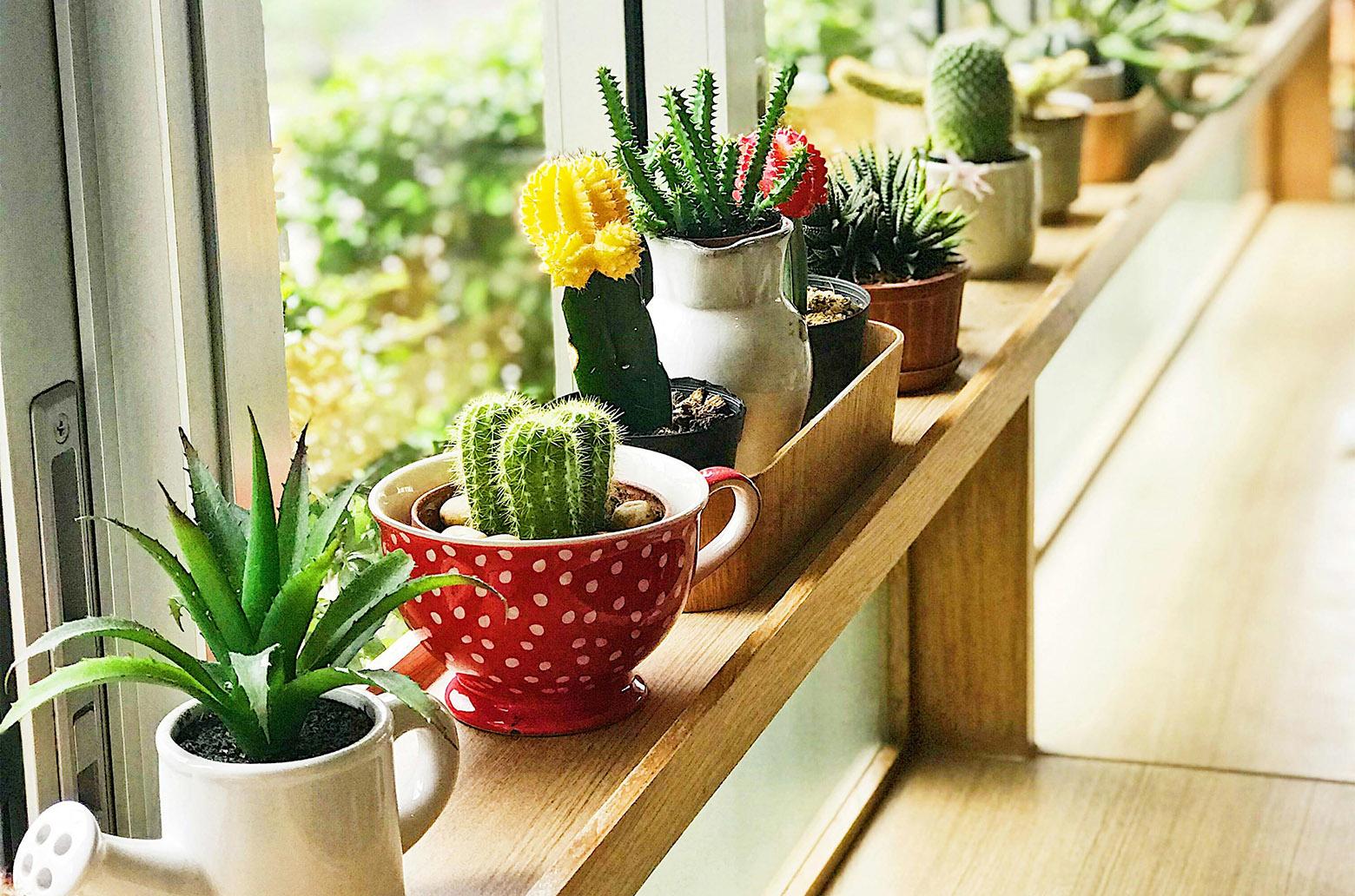
What to Do When Your Succulents Look Unhappy in Winter
1. Provide bright light: Place them near a south-facing window or use a small grow light. Light matters
far more than fertilizer in winter.
2. Water less: Water only when the soil is completely dry — usually every 3–4 weeks.
3. Keep them warm: Avoid cold drafts and windowsill temperatures below 50°F (10°C).
4. Improve airflow: A gentle fan for 15–20 minutes a day helps prevent rot.
5. Check for salt buildup: If you see a white crust on the soil surface, flush with lukewarm water once — then let it dry completely.
Pause fertilizing during winter, and give your plants the light, warmth, and patience they need. When spring arrives, they’ll reward you with stronger, more vigorous growth.