Common Pests & Diseases

Identify plant diseases quickly with clear symptoms, photos, and solutions to protect your garden from damage.

Leaf Curl: Identifying Symptoms, Causes, and Effective Treatments for Your Garden

Leaf Curl: Identifying Symptoms, Causes, and Effective Treatments for Your Garden

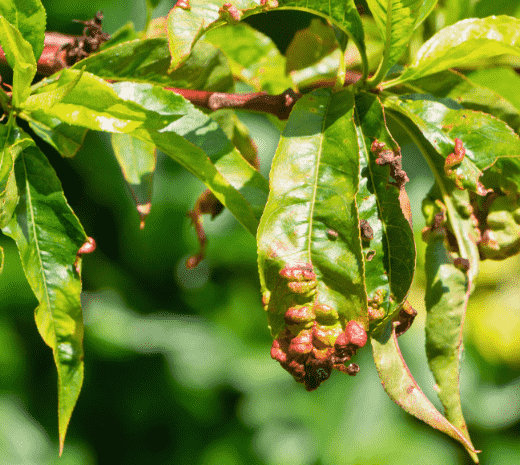
Leaf Curl is caused by various pathogens, including the fungus Taphrina deformans (peach leaf curl) and certain viruses, resulting in the thickening, puckering, and curling or blistering of new leaves, which often turn red or yellow before dropping prematurely. This infection significantly reduces photosynthesis, weakens the plant, and decreases fruit production in affected trees and plants.

Read More
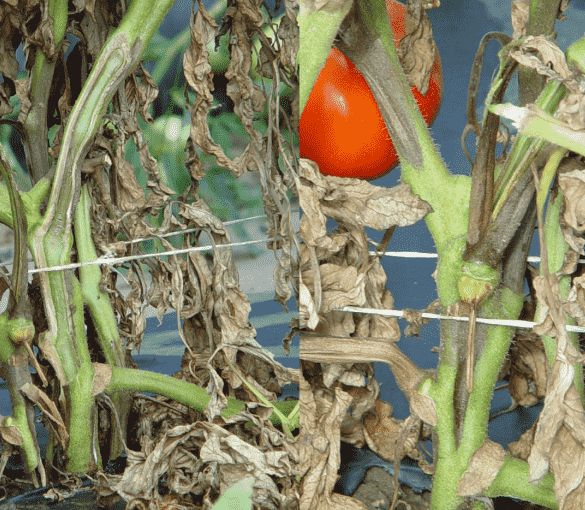
Mosaic: Identifying Symptoms, Causes, and Effective Treatments for Your Garden

Mosaic: Identifying Symptoms, Causes, and Effective Treatments for Your Garden

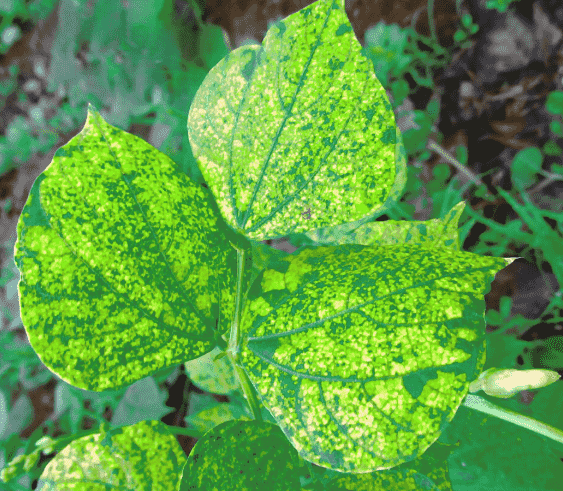
Mosaic diseases, caused by various viruses (e.g., Tobacco Mosaic Virus), are identified by a characteristic mottled pattern of light and dark green or yellow areas on the leaves, giving a 'mosaic' appearance. They also cause leaf distortion, stunting, and reduced fruit size/quality. Viruses are typically spread by insects or mechanical means and result in reduced plant vigor and decreased yield, as they are incurable.

Read More
Bacterial Wilt: Identifying Symptoms, Causes, and Effective Treatments for Your Garden

Bacterial Wilt: Identifying Symptoms, Causes, and Effective Treatments for Your Garden

Bacterial Wilt is caused by bacteria, such as Ralstonia solanacearum, which enter the roots through wounds and multiply in the xylem (water-conducting vessels), blocking water flow. Symptoms include rapid wilting of the whole plant or specific branches, which often cannot recover at night. Internal inspection reveals a slimy, creamy bacterial ooze when stems are cut, leading to plant death and total crop loss.

Read More
Late Blight: Identifying Symptoms, Causes, and Effective Treatments for Your Garden

Late Blight: Identifying Symptoms, Causes, and Effective Treatments for Your Garden

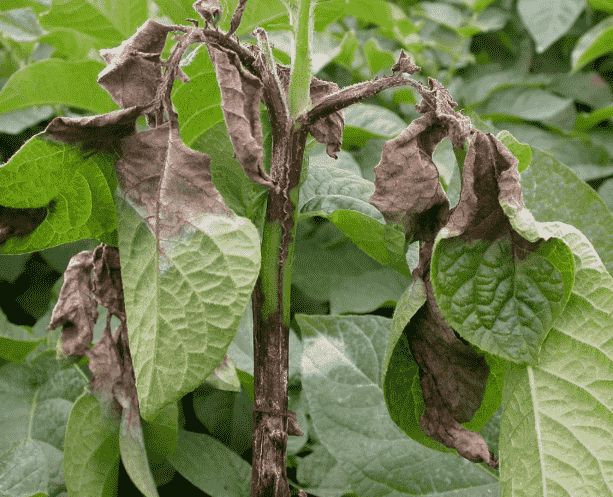
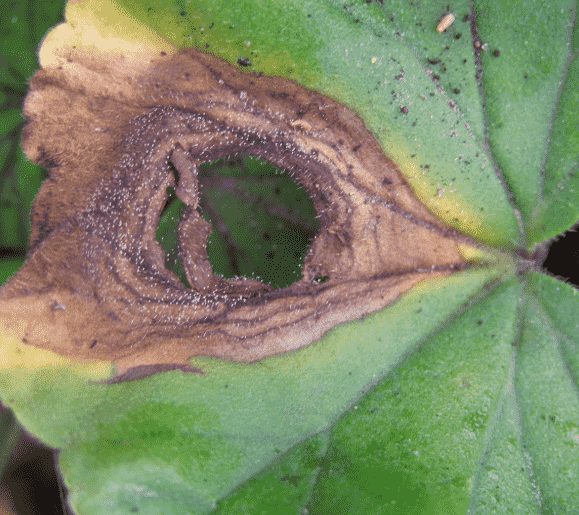
Late Blight, caused by the oomycete Phytophthora infestans, is highly destructive, appearing as irregular, dark, water-soaked lesions on leaves, often surrounded by a pale green border, with white, fuzzy growth on the underside in humid conditions. It rapidly leads to total plant collapse and fruit/tuber rot, resulting in massive crop failure, particularly in potatoes and tomatoes, necessitating quick management to prevent devastation.

Read More
Downy Mildew: Identifying Symptoms, Causes, and Effective Treatments for Your Garden

Downy Mildew: Identifying Symptoms, Causes, and Effective Treatments for Your Garden

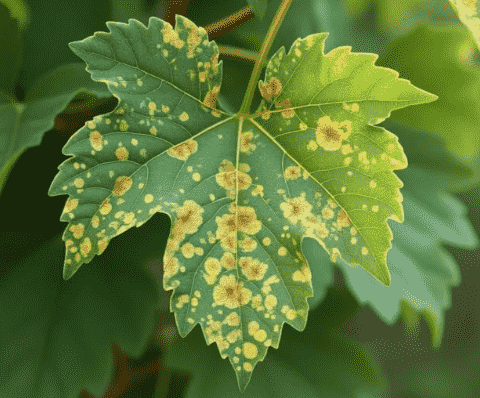
Downy mildew, caused by oomycetes (water molds), is characterized by yellow or pale spots on the upper leaf surface and a fluffy, purplish or grayish growth (sporangia) on the corresponding lower surface. It thrives in cool, wet conditions, causing premature leaf drop, significantly reducing photosynthesis, and severely decreasing crop yield and vigor in susceptible plants like grapes, lettuce, and basil.

Read More
Damping-off: Identifying Symptoms, Causes, and Effective Treatments for Your Garden

Damping-off: Identifying Symptoms, Causes, and Effective Treatments for Your Garden

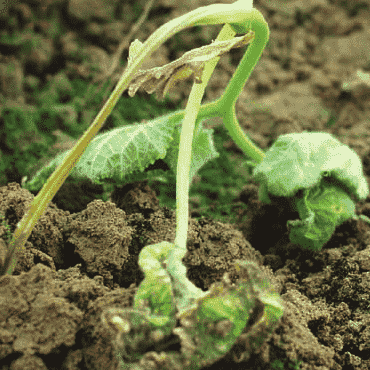
Damping-off is a common disease, primarily affecting seedlings before or shortly after emergence, caused by soil-borne pathogens like Pythium, Phytophthora, and Rhizoctonia. Pre-emergence damping-off prevents germination; post-emergence involves seedlings collapsing due to water-soaked, constricted stem lesions near the soil line. This results in rapid, widespread seedling death, causing significant loss in seedbeds and propagation trays.

Read More
Fusarium Wilt: Identifying Symptoms, Causes, and Effective Treatments for Your Garden

Fusarium Wilt: Identifying Symptoms, Causes, and Effective Treatments for Your Garden

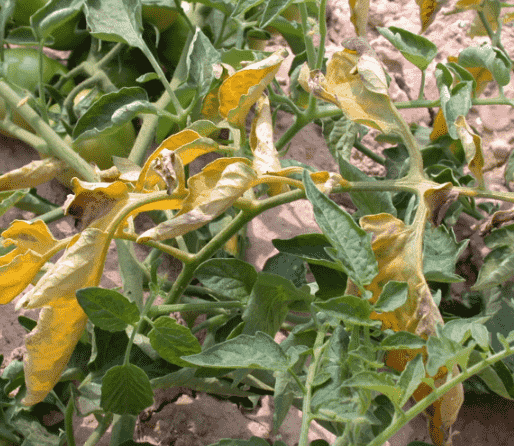
Fusarium Wilt, caused by the soil-borne fungus Fusarium oxysporum, is characterized by yellowing of lower leaves, followed by wilting and browning, often on one side of the plant. Internally, the vascular tissue turns brown or black. The fungus clogs the plant's water-conducting vessels, resulting in irreversible wilting and plant death, causing substantial economic damage to susceptible crops like tomatoes and cotton.

Read More
Gray Mold: Identifying Symptoms, Causes, and Effective Treatments for Your Garden

Gray Mold: Identifying Symptoms, Causes, and Effective Treatments for Your Garden

Gray mold, caused by the fungus Botrytis cinerea, appears as a characteristic fluffy, gray-brown mold (mycelium and spores) primarily on aging or damaged plant parts, flowers, and fruit, often causing blighting and soft, watery rot. It flourishes in cool, humid environments, leading to significant post-harvest decay and severe crop losses by reducing market quality and spreading rapidly in dense plantings.

Read More
Anthracnose: Identifying Symptoms, Causes, and Effective Treatments for Your Garden

Anthracnose: Identifying Symptoms, Causes, and Effective Treatments for Your Garden

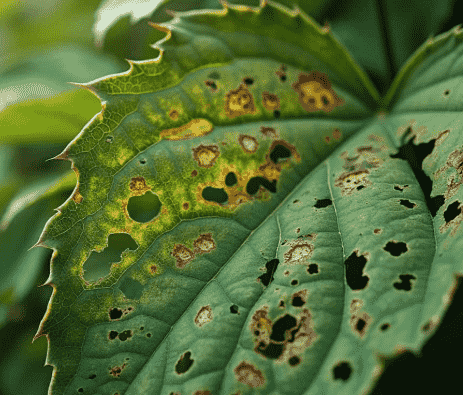
Anthracnose, caused by fungi like Colletotrichum species, manifests as dark, sunken lesions or spots on leaves, stems, and fruits, often along leaf veins, causing severe defoliation and distortion. It thrives in cool, wet conditions, reducing photosynthesis, damaging fruit quality, and potentially causing cankers and dieback on susceptible hosts, lowering overall plant vigor.

Read More