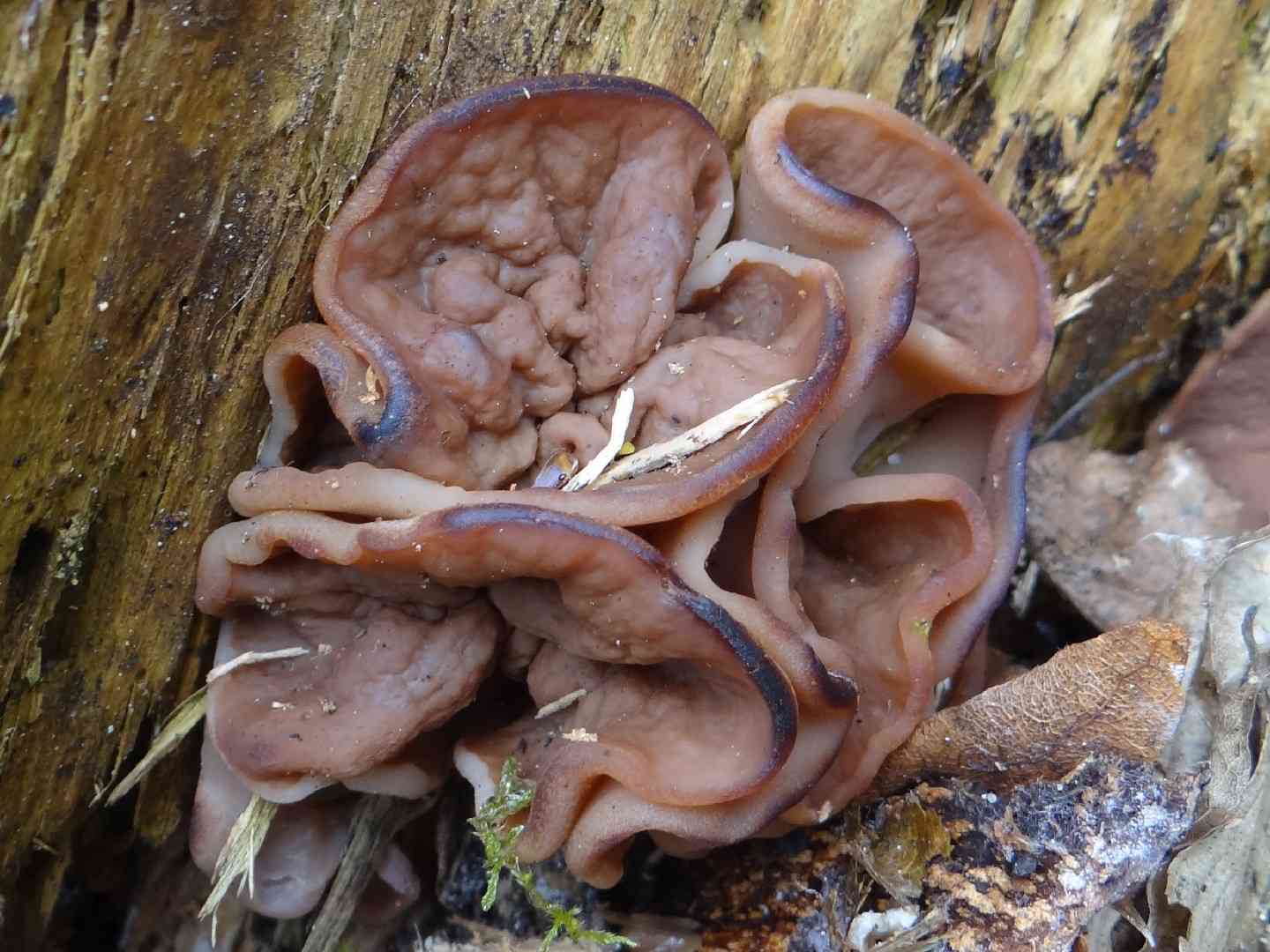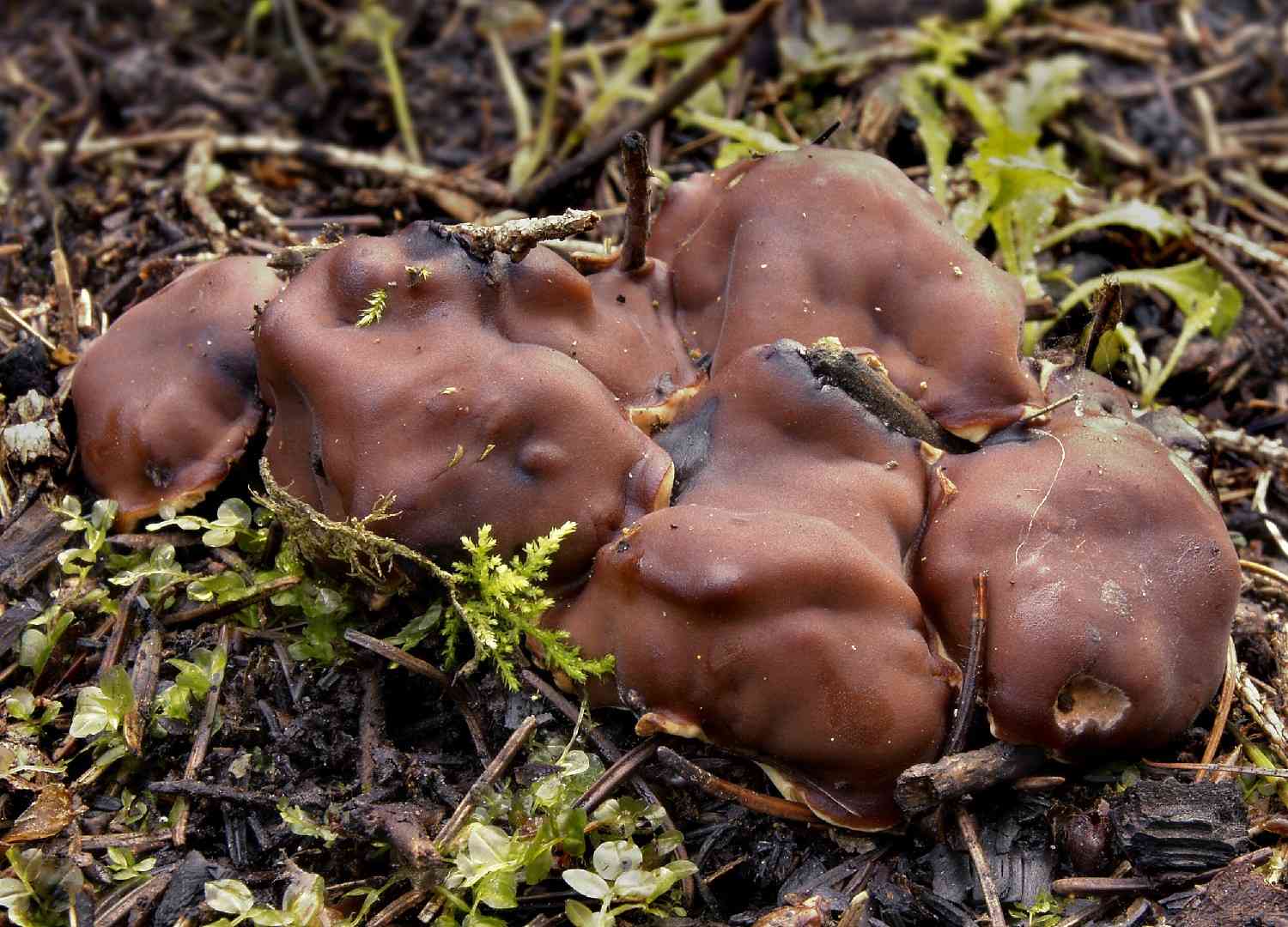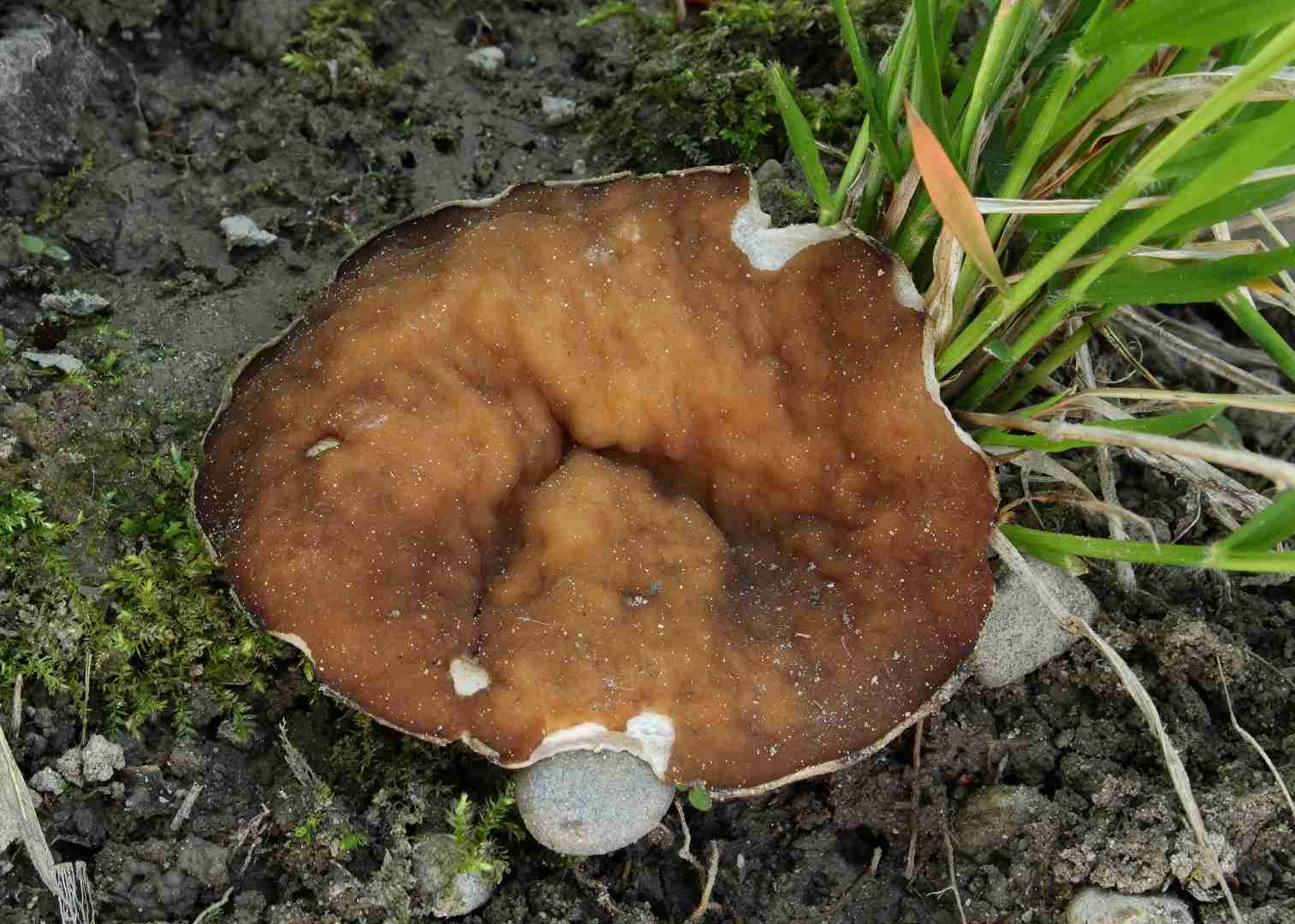
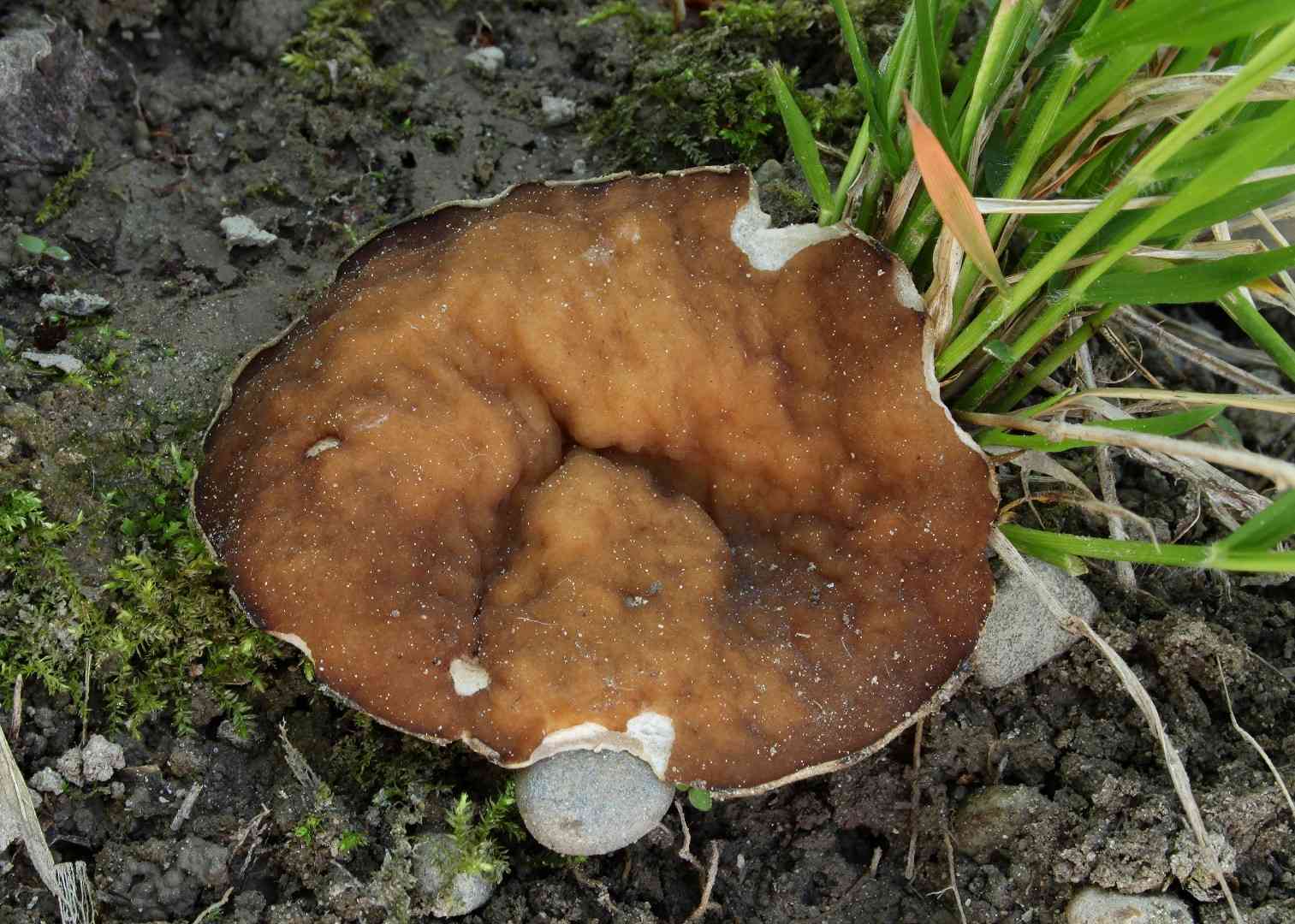
Veined cup
Disciotis venosa
A species of Cup-shaped morels.
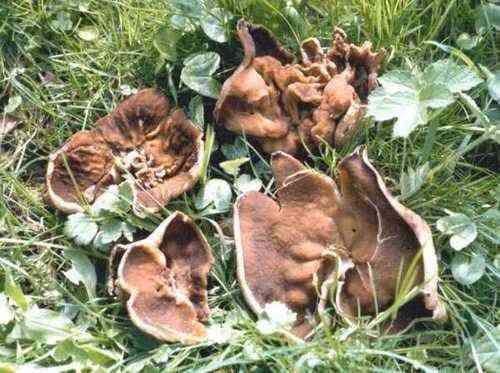
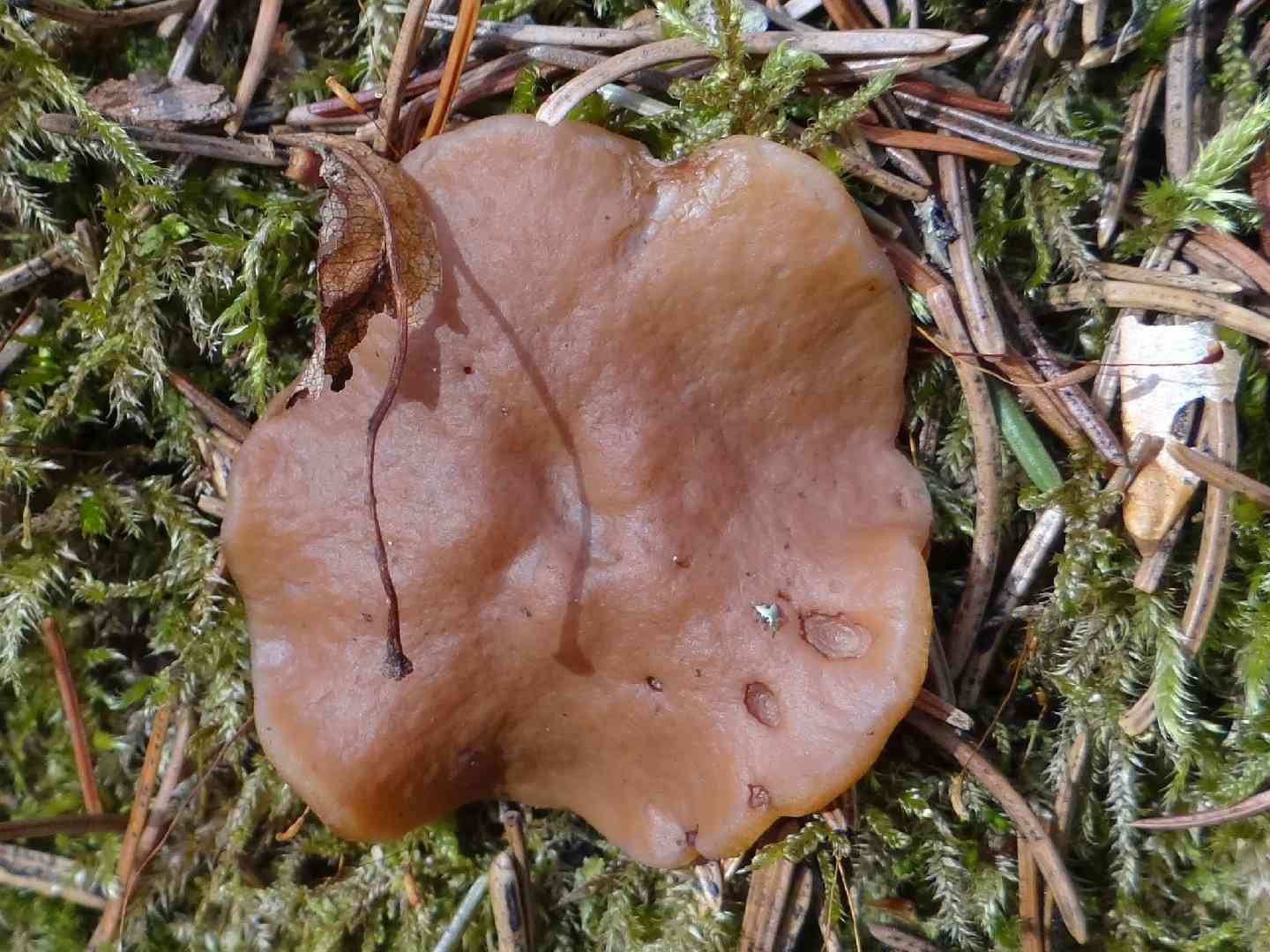
The distinctive Veined cup, with its substantial cup-shaped fruiting body that can reach up to 15 cm across, is a seasonal sight, typically emerging in springtime. This species shows a marked inclination for habitats like wood chips and roadsides. A prominent veined pattern beneath the cup is a defining characteristic, lending itself to the species' name.
In This Article
Attributes of Veined cup
Cap Diameter
4 - 21 cm
Height
1 - 1.3 cm
Cap
4 - 21 cm across; like a cup, flat and becoming irregularly saucer-shaped; yellowish brown to brown or reddish brown; smooth, bald; often with a curled-in edge
Stem
Pseudo-stem very short; buried in the ground
Flesh
Brittle; pale brownish
Spore Print Color
Pale white to yellow
Odor
Chlorine-like, particularly when damaged.
Body Color
BrownYellowRedBronzeWhite
Flesh Bruises
The flesh or milk does not discolor when bruised or cut.
Growth Form
Solitary, Scattered, Gregarious
Nutrient Gathering
Mycorrhizal, Saprophytic
Substrate
On soil
You can find Veined cup by these plants
Hawthorns
Occurence Habitats
Deciduous Woodland
Species Status
Widely distributed in North America
Endangered Species
No
Scientific Classification of Veined cup
Phylum
Sac fungi
Class
Pezizomycetes
Order
Pezizales
Family
Morchellaceae\n
Genus
Cup-shaped morels
Toxicity and Edibility of Veined cup
Is Veined cup Toxic?
Toxicity information is not available for this mushroom. Always consult with an expert before consuming any wild mushrooms.