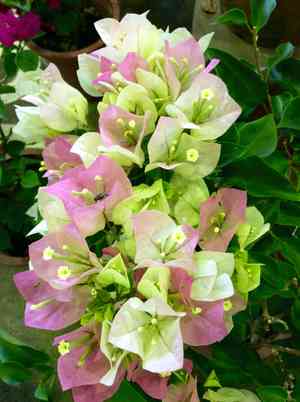
Paperflower (Bougainvillea glabra)
Also known as: Lesser bougainvillea
Bougainvillea, also known as the paperflower, is a popular ornamental plant that flourishes in warm environments. The species Bougainvillea glabra holds the status of the official flower in several regions, such as Guam, Pingtung, Ipoh, Tagbilaran, San Clemente, Guangzhou, and Naha.
In This Article
Plant Comprehensive Care Guide: Beginner's Introduction and Key Details
Perfect for beginners starting their plant care journey
→
10 Secrets to Making Paperflower Grow Faster (A Must-Read for Beginners)
Advanced tips to accelerate your plant's growth
→
Care "Black Tech": 10 Little-Known Highly Effective Maintenance Tips
Expert-level techniques for optimal plant care
→
Attributes of Paperflower
Lifespan
Perennial
Plant Type
Shrub, Vine
Plant Height
3 m to 5 m
Spread
1 m to 5 m
Leaf Color
Green
Flower Size
4 mm
Flower Color
Pink White Purple Yellow Red Orange
Images of Paperflower
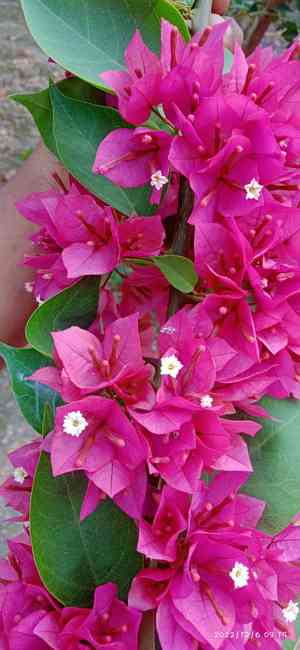
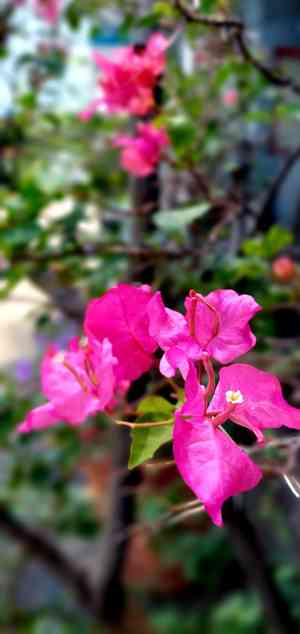
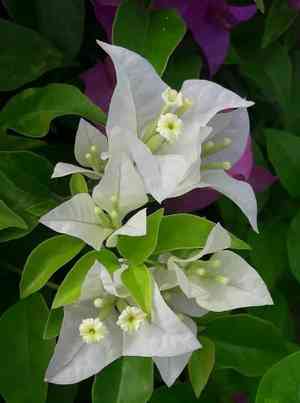
Quickly Identify Paperflower
1
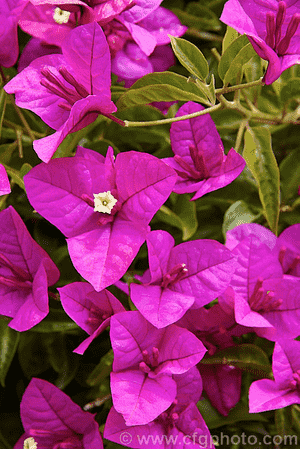
Vivid bracts in pinks, purples, and reds conceal small, white flowers.
2
Woody vines with sharp thorns require support for climbing or sprawling.
3
1/2 inch (1.3 cm) achene fruit with dry, hard covering blends with bracts.
4
Oval to elliptical leaves, 1.6-4 inches (4-10 cm) long, with glossy texture.
5
Slender, woody stem with irregularly spaced thorns and climbing growth habit.
Scientific Classification of Paperflower
Phylum
Vascular plants
Class
Dicotyledons
Order
Pinks, cacti, and allies
Family
Four o'clock
Genus
Bougainvillea
Species
Paperflower
Planting and Growing of Paperflower
Care Difficulty
Easy
Watering Schedule
Every 2 days
Sunlight Requirements
Full sun
Sunshine Duration
6-10 hours
Ideal Temperature
65-75℉
Soil Type
Potting Mix, Peat Mix
Soil pH
6.5-7.5
Fertilizer Type
Balanced
Pruning Season
Spring, Summer
Pruning Area
Branches, Leaves
Pruning Frequency
2 times a year
Repotting Season
Spring
Pot Type
Plastic, Ceramic
 How to Water Paperflower?
For Bougainvillea glabra, ensure the soil is thoroughly drenched with about 500 ml of water until it begins to drain from the pot's bottom. Yet, avoid leaving it in soggy conditions. Saplings or juvenile plants may require slight adjustments based on soil type and exposure.
More About Watering Techniques→
What are the symptoms of an underwatered Paperflower?
›
What should I do if my Paperflower is not getting enough water?
›
What are the symptoms of an overwatered Paperflower?
›
How to save an overwatered Paperflower?
›
 What Are the Sunlight Requirements for Paperflower?
Bougainvillea glabra flourishes in a light range of full sun, ideally receiving 6-8 hours of direct sunlight daily. Proper lighting ensures vibrant blooms and robust growth, enhancing the plant's striking visual appeal and overall health.
More About Sunlight Requirements Techniques→
Optimal Light Quantity
›
Sunlight Angle Importance
›
Natural Lighting Adaptations
›
 What Is the Ideal Temperature Range for Paperflower?
The ideal temperature range for Bougainvillea glabra cultivation is between 65°F and 75°F. This range supports proper growth and flowering, allowing the plant to thrive and produce abundant blooms. Consistent temperatures within this range are crucial for maintaining its vibrant appearance.
 What Soil is Best for Paperflower?
Bougainvillea glabra thrives in well-drained soil. Excess water can cause root rot, demonstrating the importance of good drainage. It ensures the plant's roots remain healthy and robust. While bougainvilleas are hardy, they benefit from soil enriched with organic matter. This nutrient richness promotes vibrant blooms and enhances growth, turning your space into a colorful haven. A light soil texture eases root expansion and access to nutrients. It mirrors the plant's natural preference, encouraging strong root development and resilience against environmental stress.
More About Soil→
 How to Fertilize Paperflower?
Bougainvillea glabra thrives with balanced fertilization. Use a standard liquid fertilizer at a dilution rate of 1/2 to the recommended dosage, ensuring you do not overwhelm the plant's roots. Each application should be sufficient to soak the root zone without leading to runoff. The final amount depends on the pot size or garden area but typically ranges between 250ml to 500ml per plant per session.
More About Fertilizing Techniques→
 How to Prune Paperflower?
Begin by examining the plant to identify dead, damaged, or unhealthy stems. Using sharp, clean pruning shears, make cuts just above a node to encourage new growth. Focus on maintaining a balanced shape by selectively removing wayward branches, particularly those that are growing inward or crossing over others. Gradually aim to create a more open structure to allow sunlight to penetrate the foliage, which enhances the flowering potential.
More About Pruning Techniques→
 How to Propagate Paperflower plant?
1
Choose a healthy, semi-hardwood stem about 10-15 cm long for propagation. Ensure it has a few leaf nodes and is free from any pests or diseases for optimal growth success.
2
Use a sterilized knife or shears to cut the stem at a 45-degree angle below a leaf node. Remove any leaves from the lower half to help the cutting focus energy on root development.
3
Dip the cut end of the stem in rooting hormone and plant it in a pot filled with well-draining soil. Firm the soil around the cutting and water it gently.
 How to Repot Paperflower plant?
1
Bougainvillea glabra should be repotted when you notice signs such as roots poking out of the drainage holes, reduced flowering, or the soil becoming compact and waterlogged. This typically occurs every 2-3 years, especially in spring or summer when the plant is actively growing.
2
Choose a pot that is only slightly larger than the current one to prevent excessive water retention. Ensure it has sufficient drainage holes to allow water to escape, preventing root rot. A terracotta pot can further aid in drainage due to its porous nature, making it ideal for Bougainvillea glabra.
3
Opt for a well-draining soil mix, such as a combination of peat, perlite, and sand. This type of soil helps prevent waterlogging, which Bougainvillea glabra is particularly sensitive to, ensuring healthy root growth and vibrant blooms.
Learn More About Paperflower Diseases
Anthracnose
Bacterial Leaf Spot
Bacterial Soft Rot
Black Spot
Chemical Injury
Crown Gall
Damping-off
Drought Stress
Fusarium Wilt
Gray Mold
Leaf Curl
Leaf Spot
Mosaic
Nutrient Deficiency
Nutrient Toxicity
Powdery Mildew
Root Rot
Root-knot Nematode
Sooty Mold
Spider Mites
Temperature Stress
Thrips Damage
White Mold



