Below are 5 vegetables that are suitable for sowing or growing indoors during the long winter months. They not only prepare you for spring and summer harvests but also bring a touch of green life to your home during winter.
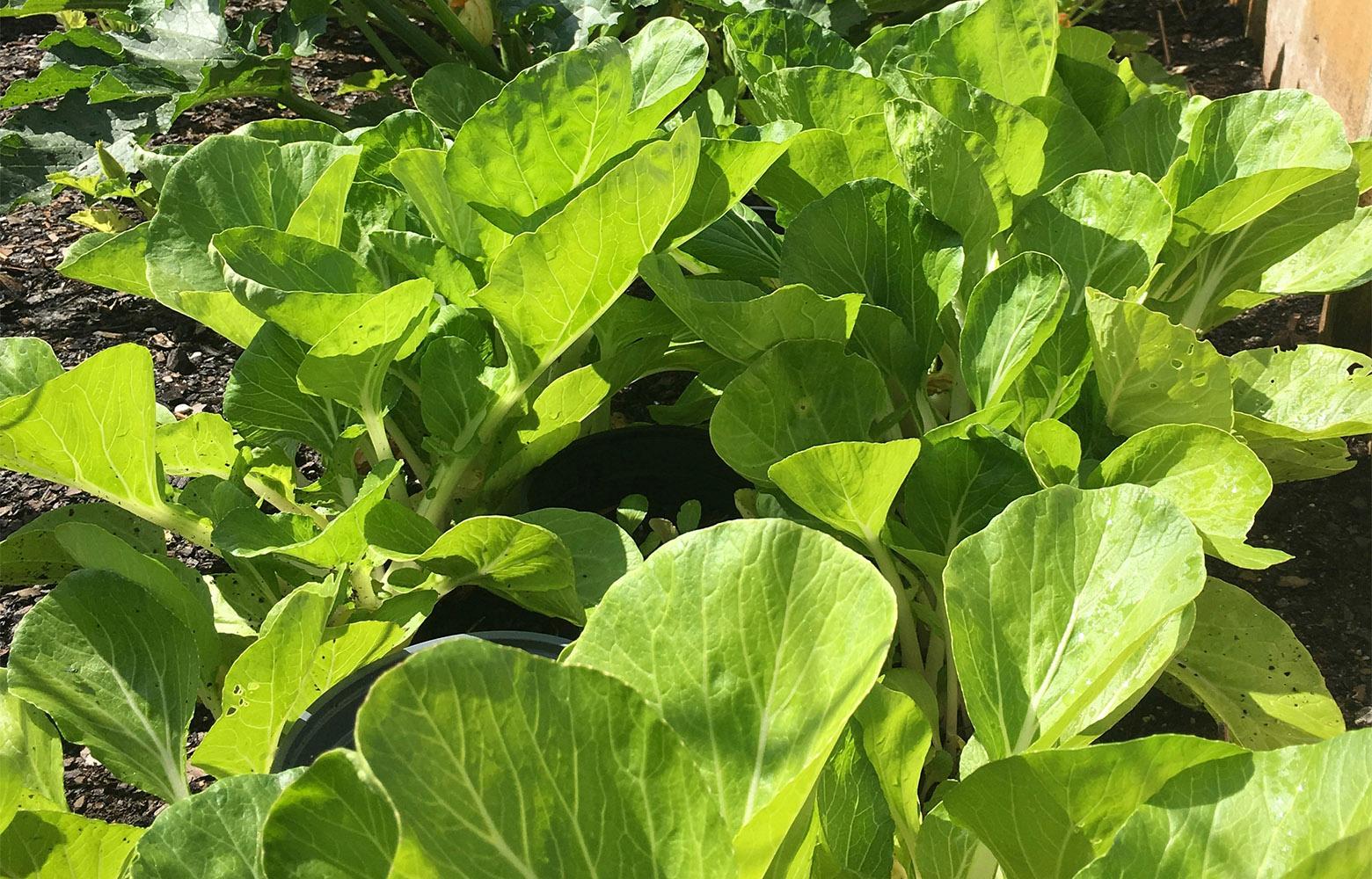
Pak Choi
Growing method: Pak choi is very suitable for indoor winter cultivation. Choose well-draining vegetable soil and scatter the seeds directly in a pot, covering with about 1 cm of soil. Place the pot near a bright window, or use a grow light for 10–12 hours a day. Keep the indoor temperature between 15–20°C. Water to keep the soil slightly moist, avoiding overwatering to prevent root rot. Ensure good air circulation after germination to avoid leggy growth. Usually, pak choi can be harvested in 25–35 days, either by cutting the outer leaves or harvesting the whole plant. With stable light and proper watering, you can enjoy fresh pak choi all winter.
Harvest time: May–November
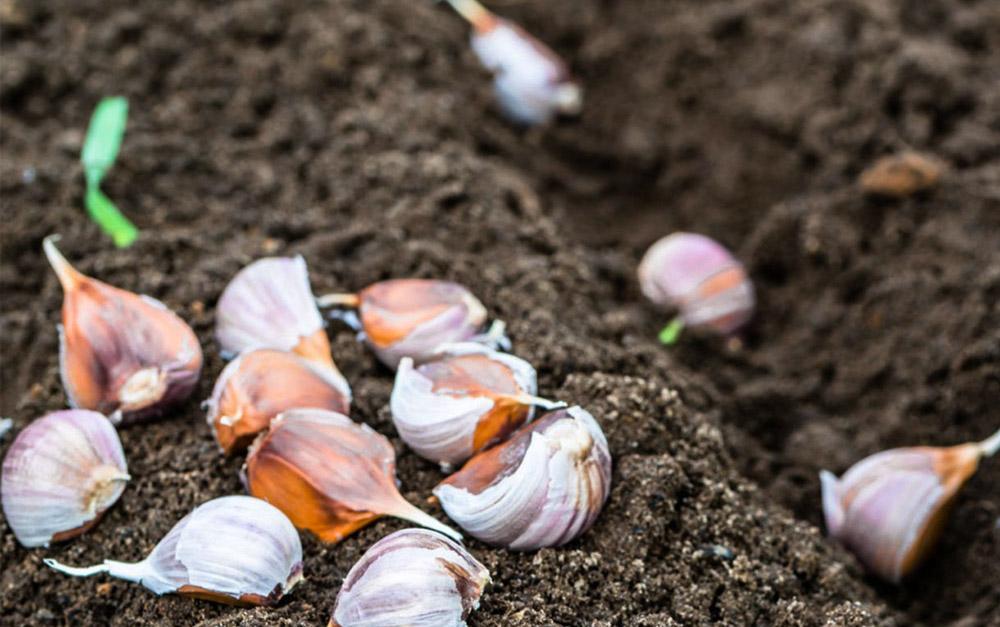
Garlic
Growing method: Plant garlic in the fall to harvest in early summer. Garlic grows better after a cold period, making early winter the best sowing time. For heavy soils, cloves can be started in seed trays. When planting in the ground, space cloves about 15 cm apart, with the pointed end up, and bury 2.5 cm deep.
Harvest time: June–August
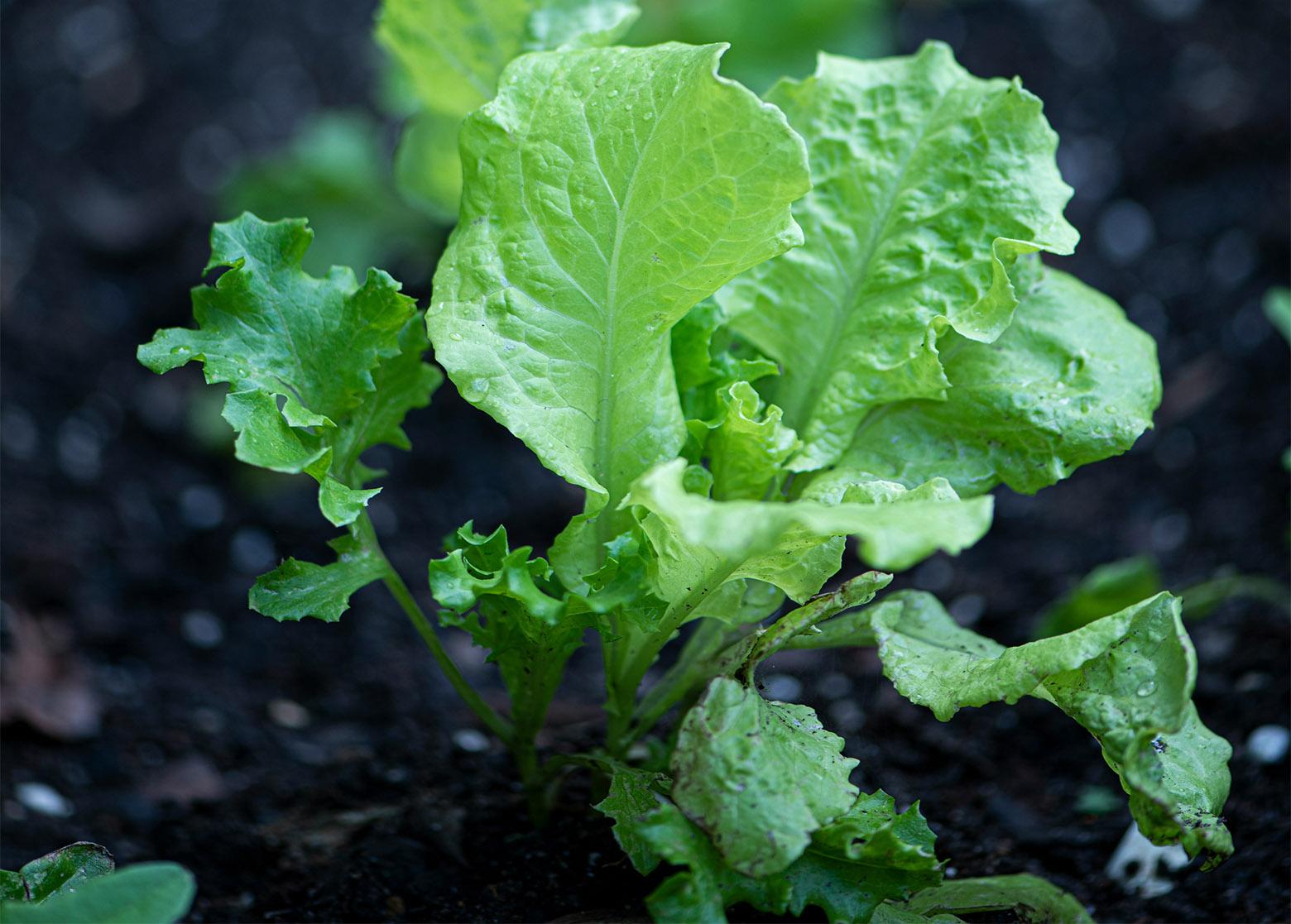
Salad Leaves
Growing method: Growing salad leaves indoors in winter is very simple. Choose fast-growing varieties such as lettuce, arugula, or spinach, and plant them in a shallow pot with well-draining soil. Place the pot near a south-facing window or use a grow light for 10–12 hours of light daily. Keep the indoor temperature above 15°C. Water lightly but consistently—soil should be moist but not soggy. Harvest by cutting outer leaves first, allowing the center to continue growing. With sufficient light and proper moisture, you can enjoy fresh salad leaves all winter.
Harvest time: April–December
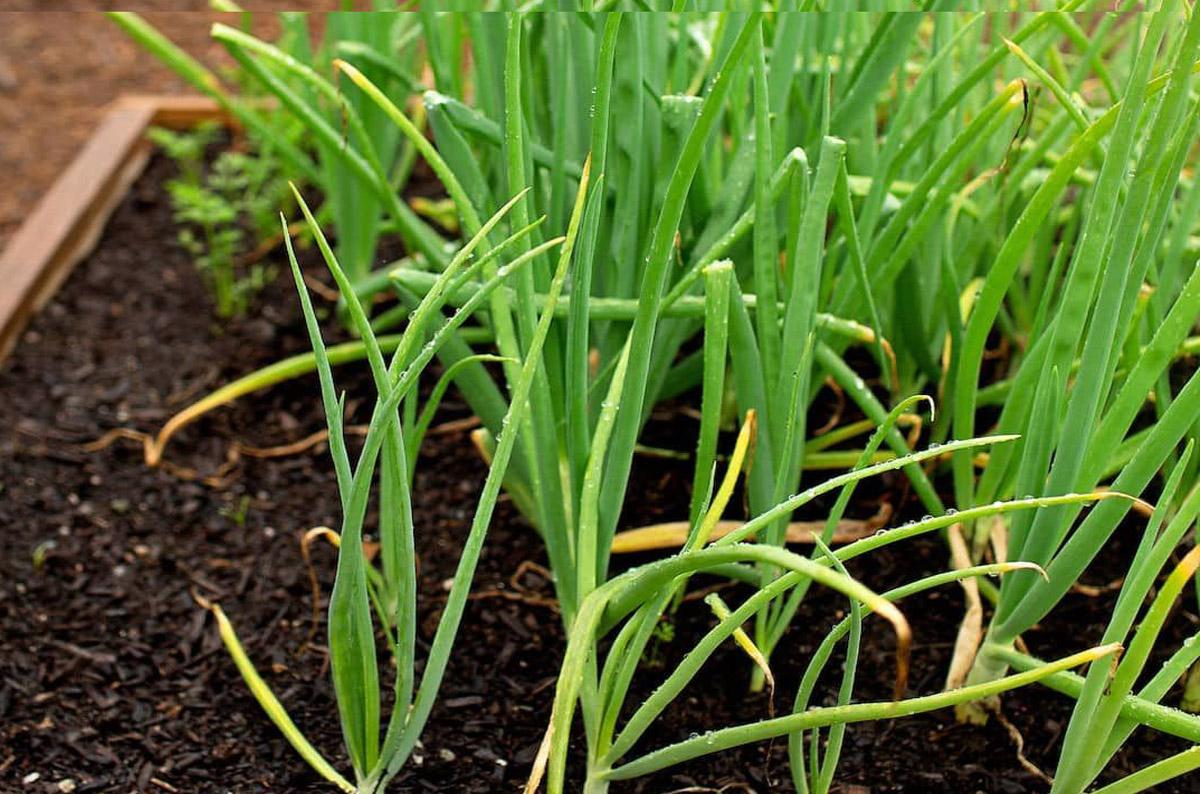
Green Onions
Growing method: Growing green onions (scallions) indoors during winter is easy and fast. Use a medium pot with drainage holes and fill it with loose, well-draining soil. Sow the seeds thinly on the surface and cover with a light layer of soil. Place the pot near a sunny window or under a grow light for 10–12 hours of light. Keep the soil evenly moist and maintain a cool indoor temperature around 15–20°C. Green onions grow quickly, and you can start cutting the green tops once they reach 15–20 cm. Harvest by trimming, allowing the plants to keep producing fresh shoots all winter.
Harvest time: June–September
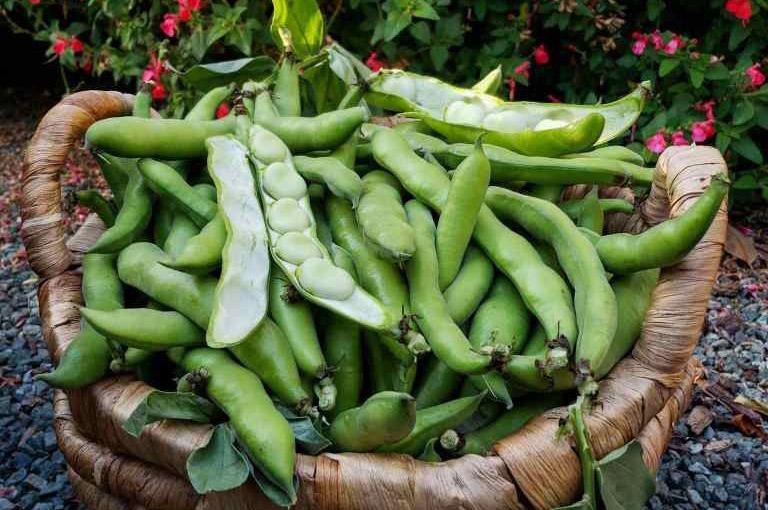
Broad Beans
Growing method: Growing broad beans indoors during winter is simple and rewarding. Choose a deep pot with good drainage and fill it with nutrient-rich potting soil. Soak the seeds for a few hours, then plant them about 5 cm deep. Place the pot near a bright window with 6–8 hours of sunlight daily, or use a grow light. Keep the soil slightly moist but avoid overwatering. Cool indoor temperatures around 12–18°C promote healthy growth. When seedlings reach 10–15 cm, support them with small stakes. With proper care, fresh broad beans can thrive indoors even in the cold season.
Harvest time: May–August
Conclusion
Winter indoor gardening is a highly engaging hands-on activity. Watching seeds germinate, seedlings grow, and harvesting your own vegetables brings a strong sense of accomplishment. Vegetables also help increase indoor humidity, purify the air, and add greenery to make winter interiors more comfortable.
For families with children, winter gardening is a great opportunity to teach responsibility, observe natural changes, and develop scientific thinking. Engaging children in plant care can reduce stress, alleviate anxiety, encourage light daily exercise, and improve overall physical and mental well-being.