Common Pests & Diseases

Identify plant diseases quickly with clear symptoms, photos, and solutions to protect your garden from damage.

Bacterial Leaf Spot: Identifying Symptoms, Causes, and Effective Treatments for Your Garden

Bacterial Leaf Spot: Identifying Symptoms, Causes, and Effective Treatments for Your Garden

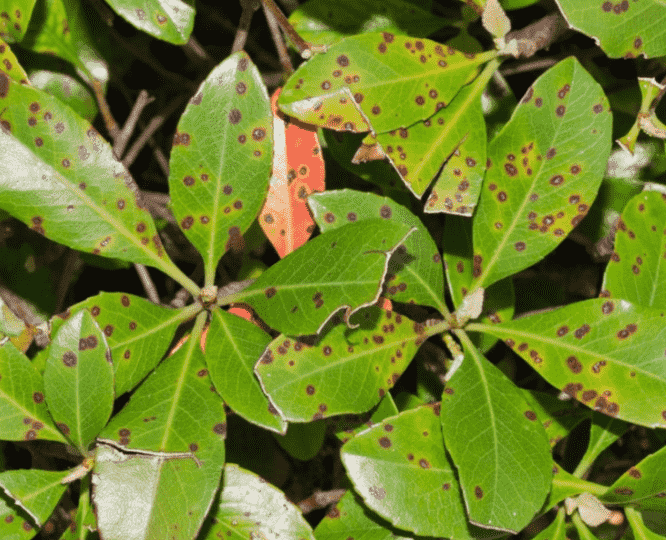
Bacterial Leaf Spot causes small, water-soaked, dark spots on leaves that often develop yellow halos and may merge into larger necrotic areas, leading to premature leaf drop, reduced photosynthesis, defoliation, and decreased overall plant vigor and market quality.

Read More
Root-Knot Nematode: Identifying Symptoms, Causes, and Effective Treatments for Your Garden

Root-Knot Nematode: Identifying Symptoms, Causes, and Effective Treatments for Your Garden

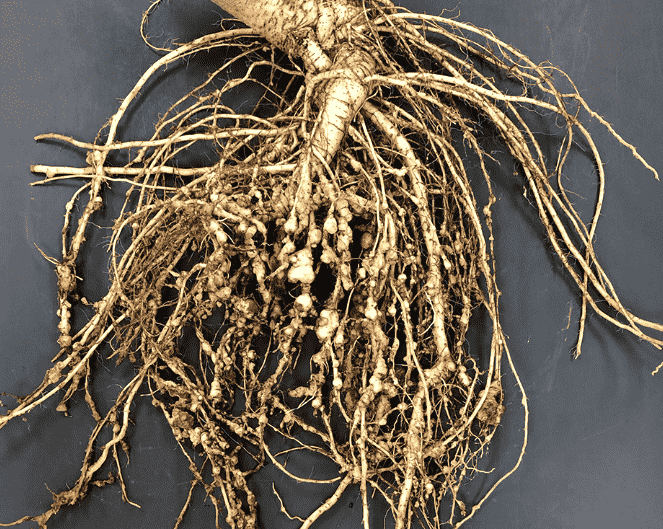
Root-Knot Nematodes are microscopic roundworms that infect roots, causing distinctive swellings or galls (knots) on the roots, which impair water and nutrient absorption, leading to stunted growth, wilting, yellowing, and severe reduction in crop yield and quality.

Read More
Clubroot: Identifying Symptoms, Causes, and Effective Treatments for Your Garden

Clubroot: Identifying Symptoms, Causes, and Effective Treatments for Your Garden

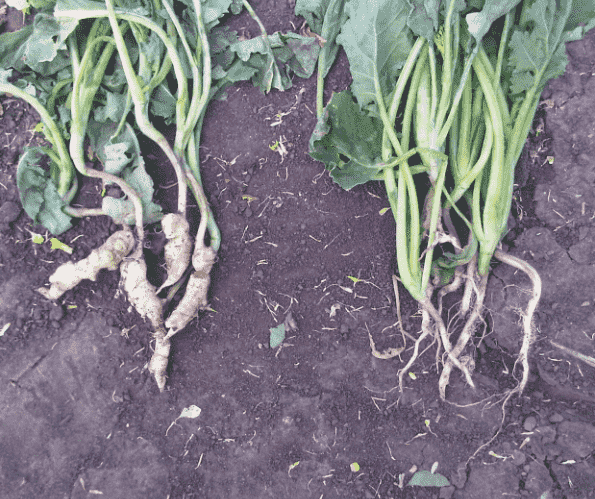
Clubroot, caused by the soil-borne protist Plasmodiophora brassicae, severely affects cruciferous plants, causing large, swollen, and distorted roots that resemble clubs, which hinder water and nutrient uptake, leading to stunting, yellowing, wilting, and significant crop failure.

Read More
White Mold: Identifying Symptoms, Causes, and Effective Treatments for Your Garden

White Mold: Identifying Symptoms, Causes, and Effective Treatments for Your Garden

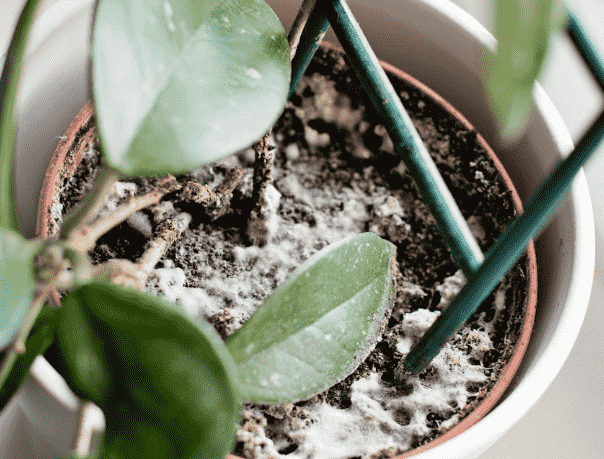
White Mold, caused by the fungus Sclerotinia sclerotiorum, is characterized by water-soaked lesions that quickly develop a white, cottony fungal growth on stems, leaves, and pods, resulting in stem rot, wilting, premature plant death, and significant yield loss, especially in legumes.

Read More
Sooty Mold: Identifying Symptoms, Causes, and Effective Treatments for Your Garden

Sooty Mold: Identifying Symptoms, Causes, and Effective Treatments for Your Garden

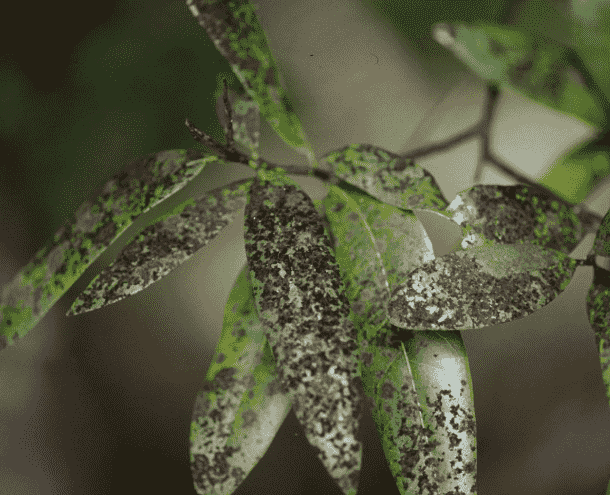
Sooty Mold is a fungus that grows on honeydew (excrement of sucking insects like aphids), forming a dark, velvety, soot-like film over leaves and stems, which blocks sunlight for photosynthesis, stunts growth, and detracts significantly from plant appearance.

Read More
Black Spot: Identifying Symptoms, Causes, and Effective Treatments for Your Garden

Black Spot: Identifying Symptoms, Causes, and Effective Treatments for Your Garden

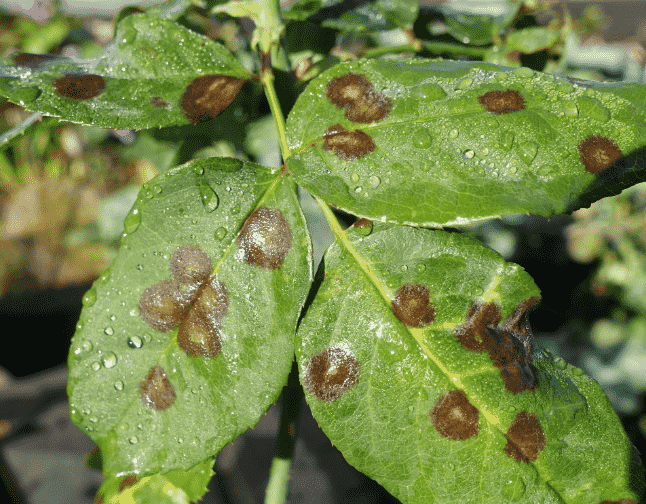
Black Spot, a common fungal disease of roses, appears as distinct, circular black spots with fringed margins primarily on upper leaf surfaces, causing leaf yellowing and premature defoliation, which weakens the plant and reduces flowering and aesthetic value.

Read More
Apple Scab: Identifying Symptoms, Causes, and Effective Treatments for Your Garden

Apple Scab: Identifying Symptoms, Causes, and Effective Treatments for Your Garden

Apple Scab, caused by the fungus Venturia inaequalis, manifests as dark, olive-green, velvety spots on leaves, which later turn black and scabby on fruit, leading to premature leaf drop, reduced fruit quality and marketability, and severe yield reduction.

Read More
Cyst Nematode: Identifying Symptoms, Causes, and Effective Treatments for Your Garden

Cyst Nematode: Identifying Symptoms, Causes, and Effective Treatments for Your Garden

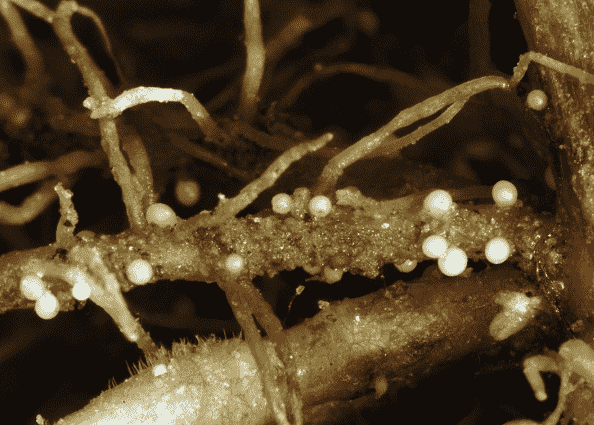
Cyst Nematodes are microscopic parasitic worms that attack roots, causing stunting, yellowing, wilting, and reduced plant vigor, with their tiny, lemon-shaped cysts visible on roots, ultimately leading to severe crop yield losses in fields.

Read More
Crown Gall: Identifying Symptoms, Causes, and Effective Treatments for Your Garden

Crown Gall: Identifying Symptoms, Causes, and Effective Treatments for Your Garden

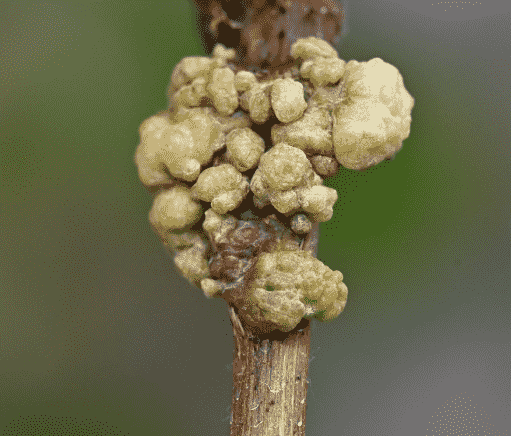
Crown Gall, caused by Agrobacterium tumefaciens, produces rough, tumor-like swellings (galls) usually at the plant's crown (soil line), but also on roots and stems, which obstruct water/nutrient flow, stunt growth, and can eventually kill the plant.

Read More