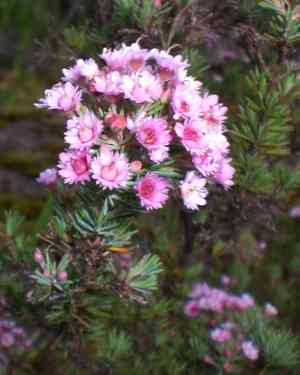
Water gum (Tristaniopsis laurina)
Also known as: Kanooka gum
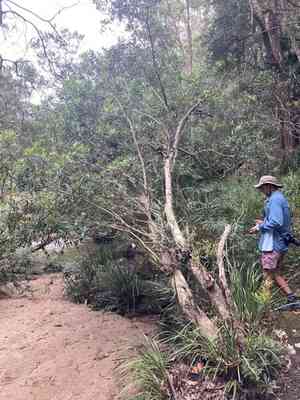
The tree you're referring to is the Water Gum (Tristaniopsis laurina). This small, slow-growing tree is native to Australia and typically found near the eastern coastline and along stream banks. Its trunks and branches are often shaped by the water current, indicating previous flood levels. The tree produces yellow flowers with a distinct, often considered unpleasant, odor.
In This Article
Attributes of Water gum
Lifespan
Perennial
Plant Type
Tree
Plant Height
15 m
Spread
8 m
Leaf Color
Green
Flower Size
1-2 cm
Flower Color
Yellow Orange Cream
Images of Water gum
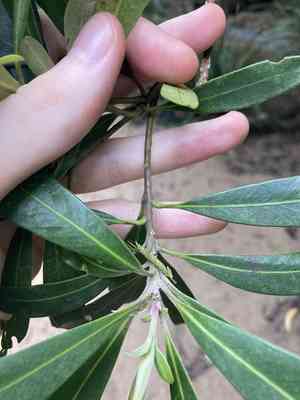
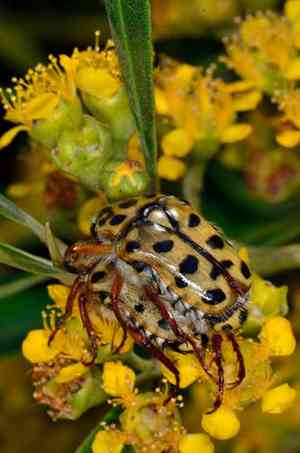
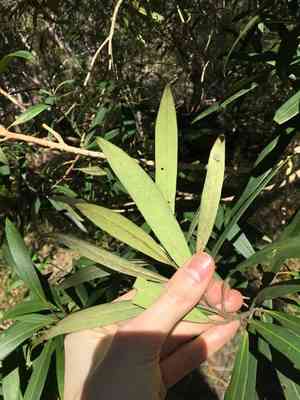
Quickly Identify Water gum
1
Upright form reaching 15-20 feet (4.5-6 meters) with glossy leaves transitioning to reddish hues in cooler temperatures.
2
Mahogany-colored young branches supporting darker top and lighter bottom leaves, complemented by fragrant yellow flowers in late spring.
3
Attractive scaly bark on larger branches adds ornamental value to garden settings.
Scientific Classification of Water gum
Phylum
Vascular plants
Class
Dicotyledons
Order
Myrtales
Family
Myrtle
Genus
Tristaniopsis
Species
Water gum
Planting and Growing of Water gum
Care Difficulty
Easy
Watering Schedule
Every 4 days
Sunlight Requirements
Full sun
Sunshine Duration
6-8 hours
Ideal Temperature
65-75℉
Soil Type
Potting Mix, Peat Mix
Soil pH
6.5-7.5
Fertilizer Type
Balanced
Pruning Season
Spring, Summer
Pruning Area
Branches, Leaves
Pruning Frequency
2 times a year
Repotting Season
Spring
Pot Type
Terracotta, Plastic
 How to Water Water gum?
Tristaniopsis laurina requires a moderate watering routine, typically around 500ml each time. The key principle is to ensure the soil is evenly moist, but not waterlogged. Aim to water until the soil is damp to the touch at about an inch depth, ensuring the water can drain out freely without leaving standing water.
What are the symptoms of an underwatered Water gum?
›
What should I do if my Water gum is not getting enough water?
›
What are the symptoms of an overwatered Water gum?
›
How to save an overwatered Water gum?
›
 What Are the Sunlight Requirements for Water gum?
Tristaniopsis laurina thrives in conditions of full to partial sun, where balanced exposure maximizes photosynthesis and robust plant architecture.
More About Sunlight Requirements Techniques→
What is the optimal sunlight exposure for Tristaniopsis laurina?
›
How do I achieve the ideal lighting conditions for Tristaniopsis laurina?
›
What benefits does Tristaniopsis laurina gain from ideal lighting?
›
 What Is the Ideal Temperature Range for Water gum?
The ideal temperature range for Tristaniopsis laurina is between 65°F and 75°F. Within this range, the plant can grow vigorously, displaying healthy foliage and vibrant growth. Maintaining these temperatures ensures that the plant's metabolic processes occur optimally, supporting photosynthesis, respiration, and nutrient uptake effectively.
 What Soil is Best for Water gum?
Tristaniopsis laurina thrives in well-drained soils, ensuring roots receive adequate air and preventing waterlogging. Ensuring proper drainage is critical for optimum growth and vitality, as it reduces the risk of root rot and other soil-borne diseases. While drainage is important, this plant also benefits from soils that can retain some moisture. This balance keeps the plant hydrated and supports consistent growth, particularly during dry spells part of its natural habitat. Rich loamy soils tend to provide essential nutrients, fostering healthy growth and vibrant foliage. Regularly amending the soil with organic matter can further enhance nutrient content, supporting the plant’s development.
 How to Fertilize Water gum?
For Tristaniopsis laurina, use a balanced 10-10-10 or 20-20-20 liquid fertilizer. Apply approximately 1 tablespoon of fertilizer per gallon of water for best results.
 How to Prune Water gum?
Before making cuts, identify any dead, damaged, or crossing branches. Tristaniopsis laurina benefits from removing these to improve air circulation and light penetration. When cutting, make sure to make each cut at a 45-degree angle. This facilitates quicker healing and prevents water accumulation that could lead to rot. While pruning, aim to enhance the natural shape of the tree. This will help in maintaining its aesthetic appeal and also encourage stronger, healthier growth.
More About Pruning Techniques→
 How to Propagate Water gum plant?
1
Collect mature seeds from healthy Tristaniopsis laurina plants. Choose seeds that have fully developed and show signs of ripeness for optimal germination rates.
2
Select semi-hardwood cuttings during early spring. Cuttings should be about 10-15 cm long and free from any diseases or pests. Remove lower leaves before planting.
3
Sow seeds in seedling trays filled with a well-draining seed mix. Maintain consistent moisture levels but avoid waterlogging to prevent seed rot.
 How to Repot Water gum plant?
1
Look for signs like roots growing through the pot's drainage holes or soil that dries out too quickly after watering. These indicate it's time to repot Tristaniopsis laurina, ensuring the plant has enough room to thrive and access nutrients.
2
Select a pot that is 1-2 inches wider in diameter than the current pot and has ample drainage holes. Using a pot that's slightly larger helps prevent over-watering and root rot, while ensuring that the roots have space to expand comfortably.
3
A well-draining soil mix with a blend of organic matter like peat and some sand or perlite is ideal. This combination ensures proper drainage to prevent waterlogging, promoting healthy root growth and reducing the risk of root diseases.



