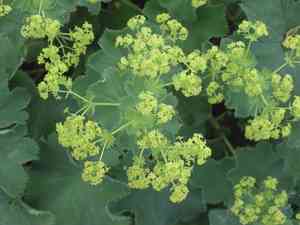
Lady's mantle (Alchemilla mollis)
Also known as: Lady's Mantle, Dewcup
A suitable garden plant for your description is Lady's mantle (Alchemilla mollis). This perennial is a part of the rose family and hails from southern Europe. It is popular in gardens for its ornamental value, often used as ground cover or along pathways. In spring, it blooms with small greenish-yellow flowers that are known to attract butterflies. However, be mindful that Lady's mantle can self-seed easily and might become invasive in certain conditions.
In This Article
Attributes of Lady's mantle
Lifespan
Perennial
Plant Type
Herb
Plant Height
30 cm to 45 cm
Spread
30 cm to 60 cm
Leaf Color
Green
Flower Size
3 mm
Flower Color
Yellow Green
Images of Lady's mantle
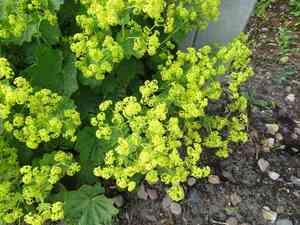
Quickly Identify Lady's mantle
1
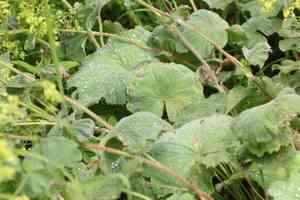
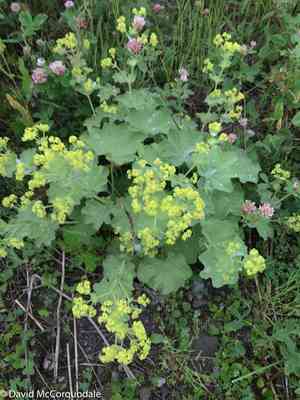
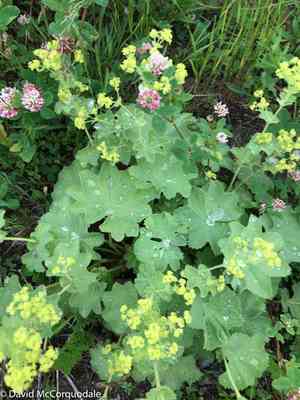
Circular, palmately lobed leaves up to 6 inches (15 cm) wide with soft downy texture.
2
Delicate, star-shaped chartreuse flowers clustered densely, each 0.12 inches (3 mm) in diameter.
3
Forms a dense herbaceous mound around 12 inches (30 cm) in height and width.
4
Blooms from late spring to early summer, creating a frothy, sea foam-like appearance.
5
Leaves hold water droplets, enhancing visual appeal and garden landscape aesthetics.
Scientific Classification of Lady's mantle
Phylum
Vascular plants
Class
Dicotyledons
Order
Rosales
Family
Rose
Genus
Lady's mantles
Species
Lady's mantle
Planting and Growing of Lady's mantle
Care Difficulty
Easy
Watering Schedule
Every 4 days
Sunlight Requirements
Partial sun
Sunshine Duration
8-12 hours
Ideal Temperature
60-70℉
Soil Type
Potting Mix, Peat Mix
Soil pH
6.5-7.5
Fertilizer Type
Balanced
Pruning Season
Spring, Summer
Pruning Area
Branches, Leaves
Pruning Frequency
2 times a year
Repotting Season
Spring
Pot Type
Plastic, Ceramic
 How to Water Lady's mantle?
For Alchemilla mollis, applying around 250 milliliters of water per session is generally adequate. The soil should be moist to the touch, but not waterlogged. Make sure the water reaches deep enough to support the roots, but avoid excessive saturation to prevent root rot.
More About Watering Techniques→
What are the symptoms of an underwatered Lady's mantle?
›
What should I do if my Lady's mantle is not getting enough water?
›
What are the symptoms of an overwatered Lady's mantle?
›
How to save an overwatered Lady's mantle?
›
 What Are the Sunlight Requirements for Lady's mantle?
Alchemilla mollis thrives best in partial to full sun, where it can absorb the necessary sunlight for optimal growth. Ideal light conditions promote vibrant foliage and plentiful blooms, enhancing the plant's overall vitality and beauty.
More About Sunlight Requirements Techniques→
What is the ideal lighting for Alchemilla mollis?
›
How can I achieve the ideal sunlight for my plant?
›
What are the benefits of optimal lighting for this plant?
›
 What Is the Ideal Temperature Range for Lady's mantle?
Alchemilla mollis thrives best within a temperature range of 60 to 70 degrees Fahrenheit. This range is optimal as it mimics the plant's natural habitat, ensuring robust growth and vibrant foliage. Temperature stability within this range supports enzymatic and metabolic processes crucial for plant health.
 What Soil is Best for Lady's mantle?
Alchemilla mollis thrives in soil that is rich in organic matter, which supports robust leaf growth and vibrant blooms. Nutrient-rich soil provides the necessary macro and micronutrients for the plant's holistic development. This plant prefers well-draining soil, preventing water accumulation which could lead to root rot. Proper drainage ensures root health and reduces fungal disease risks, allowing for a healthy plant lifespan. While good drainage is essential, Alchemilla mollis also benefits from soil that retains moisture. This balance ensures the plant remains hydrated, especially during extended dry periods, supporting continuous growth.
More About Soil→
 How to Fertilize Lady's mantle?
For Alchemilla mollis, a delicate balance is key when it comes to fertilization. Utilize a diluted liquid fertilizer at quarter strength, around 1/4 of the recommended concentration on the label. For granular fertilizers, apply just one tablespoon per square foot. This helps prevent over-accumulation of nutrients which can be detrimental to the plant.
More About Fertilizing Techniques→
 How to Prune Lady's mantle?
To prune Alchemilla mollis, start by inspecting the plant for any dead, damaged, or diseased leaves. Cut these back to the base of the plant using clean and sharp pruning shears. This will help prevent the spread of disease and encourage healthier growth. After the flowering period in late spring to early summer, it's essential to remove the spent flowers by cutting them just above the foliage line. This process, known as deadheading, will promote a second flush of blooms and maintain a neat appearance.
More About Pruning Techniques→
 How to Propagate Lady's mantle plant?
1
Start by collecting mature seeds from Alchemilla mollis in late summer. Ensure the seeds are dry and free from any plant debris before storing them in a cool, dry place or directly planting them for stratification.
2
Use a well-draining potting mix for germinating seeds. For division, prepare the garden bed by loosening the soil and adding organic matter to improve nutrient content and water retention.
3
Gently lift the plant using a trowel in early spring and split it into smaller clumps, ensuring each has ample roots. Replant the new clumps immediately at the same depth they were growing at.
 How to Repot Lady's mantle plant?
1
Repot Alchemilla mollis when roots start to outgrow their current pot or when the soil no longer retains water effectively. Another signal is when growth appears stunted despite proper care. These signs usually indicate the need for more space and nutrient-rich soil for healthy growth.
2
Choose a pot that is 1-2 inches larger in diameter than the current one. This allows for root growth without excess space that can lead to waterlogging. A pot with drainage holes is essential to prevent root rot, ensuring your plant stays healthy and well-drained.
3
Opt for a well-draining, loamy soil mix. This type of soil provides excellent aeration and moisture retention while allowing excess water to flow away. It minimizes the risk of overwatering and helps in maintaining a balanced environment for the roots to thrive.
Learn More About Lady's mantle Diseases
Anthracnose
Bacterial Leaf Spot
Black Spot
Chemical Injury
Crown Gall
Cyst Nematode
Damping-off
Downy Mildew
Drought Stress
Fusarium Wilt
Gray Mold
Leaf Curl
Leaf Spot
Mosaic
Nutrient Deficiency
Nutrient Toxicity
Powdery Mildew
Root Rot
Root-knot Nematode
Rusts
Sooty Mold
Spider Mites
Temperature Stress
Thrips Damage
White Mold



